












- Airlines, MROs, Industry, OEMs, Pilot Academies & Regulators Unite at the Summit
- Industry Leaders Converge to Brainstorm the Future of Indian Aviation
- From Policy to Performance: Experts Chart the Path for the Future of Flight in India
By Sangeeta Saxena
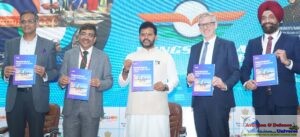
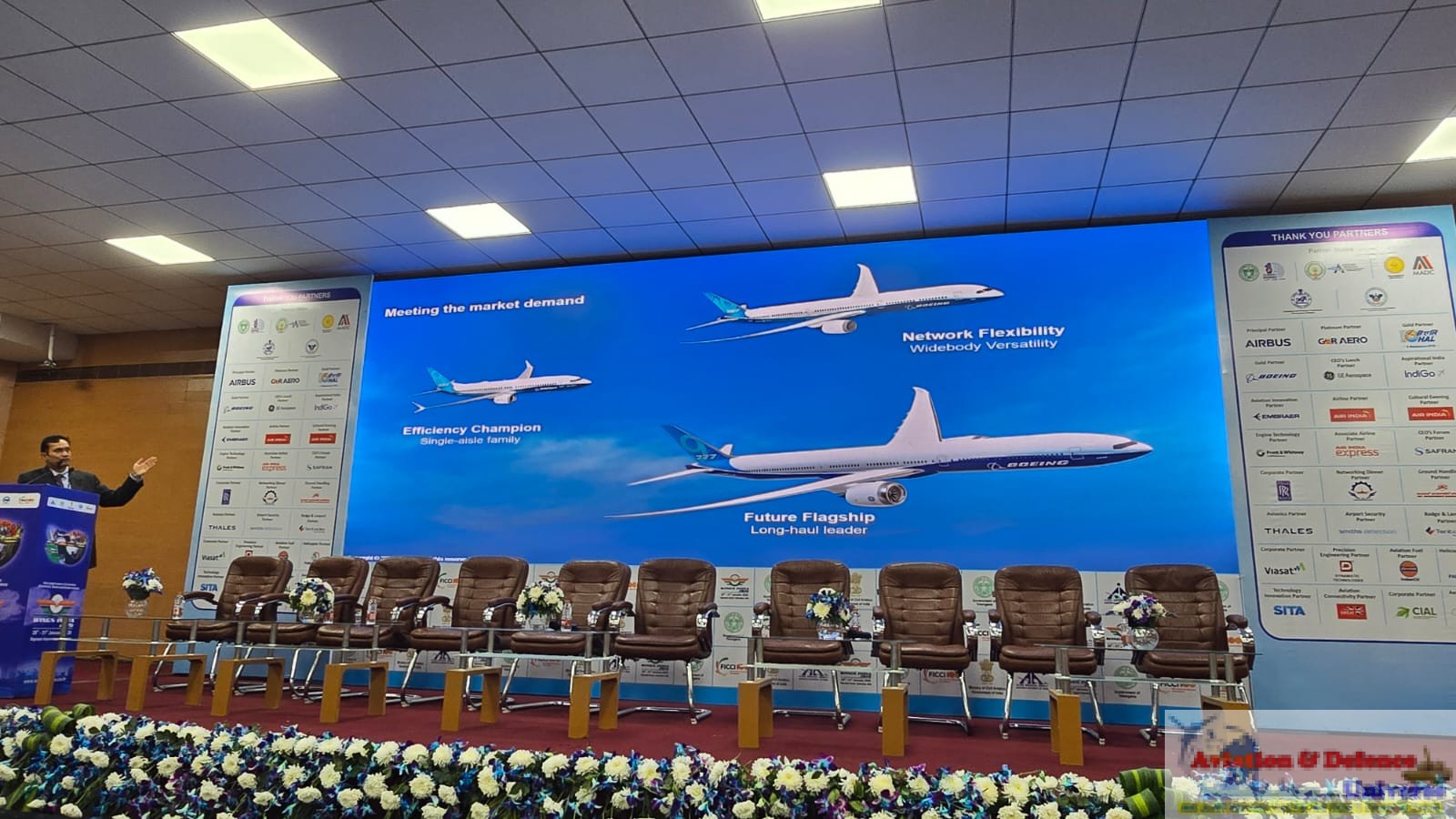
New Delhi. 29 October 2025. The Aviation India & South Asia Summit 2025 took off to a high-octane start today at the JW Marriott Hotel, Aerocity, New Delhi, with an impressive convergence of industry leaders, policymakers, regulators, innovators, and international delegates. Themed “Shaping the Pathway for Indian Aviation,” the summit opened with powerful insights from civil aviation stalwarts, including CEOs of India’s leading airlines, business aviation pioneers, MRO experts, infrastructure developers, and training leaders. The energy was palpable as over 800 delegates and 50 exhibitors gathered under one roof to explore the future of flight across commercial aviation, non-scheduled operations, airport infrastructure, pilot training, sustainability, and aerospace manufacturing. With India poised to become the world’s third-largest aviation market, the summit marked a milestone moment for stakeholders aligning their strategies with Atmanirbhar Bharat, regional connectivity goals, and the global call for decarbonised, tech-powered aviation ecosystems. The runway is set — and India is clearly ready for takeoff. And here the summit co-organised by Times Aerospace London and MRO Association of India took off with a bang.
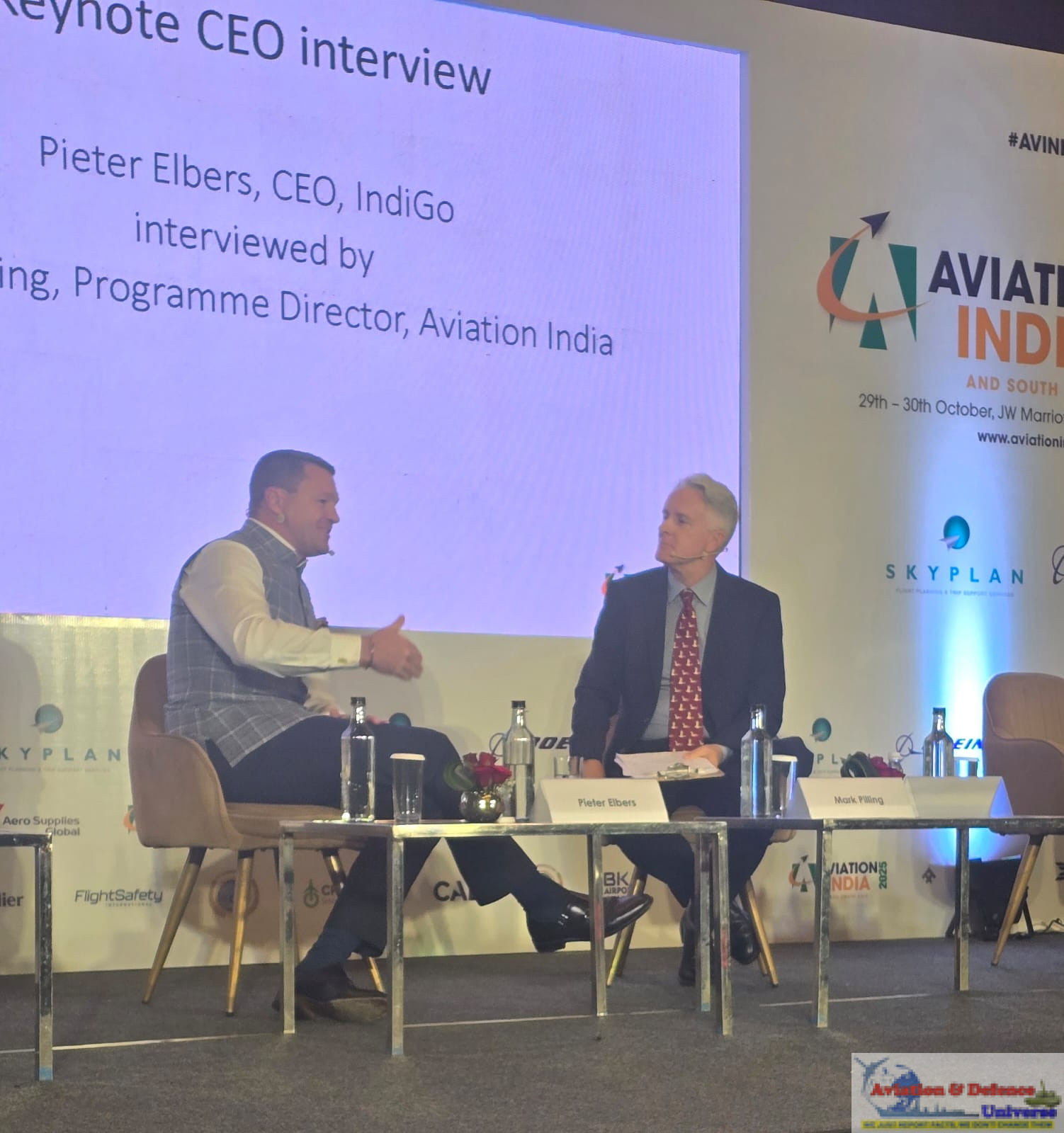 IndiGo may not be India’s official national carrier, but in many ways, it has earned the unofficial badge. Through strategic expansion, operational efficiency, and a leadership mindset rooted in excellence and humility, the airline exemplifies India’s aspirational energy and global readiness. For the airlines – the skies are not the limit- they are the launchpad. And so was it here at the Aviation India 2025. The event began with an engrossing chat with the man who is not only at the helm of India’s leading airline but also India’s adopted Dutch whom Indians in the aerospace world love to call their own – Pieter Elbers CEO Indigo. “The growth of India and the growth of IndiGo are deeply connected and mutually reinforcing. While many countries are still struggling to return to their pre-COVID aviation levels, IndiGo has soared ahead, increasing from 77 million annual passengers before the pandemic to 180 million last year—a remarkable 50% jump. The timing could not have been more strategic, with the airline launching flights into London and reintroducing services to China from Kolkata, both on the same Sunday. Landing in London holds symbolic value for any global airline—it signifies more than a route; it represents a growing, robust international network. That same Sunday marked the start of IndiGo’s winter season, beginning with an impressive 610 routes, up by 60 from the previous year. With 80 more destinations added—12 international and 6 domestic—the expansion reflects the airline’s bold ambition and execution. As of now, IndiGo operates 600 routes, including 470 domestic and the rest international, a clear testament to its exponential growth and expanding global footprint,” asserted Elbers in his conversation with Mark Pilling Programme Director Aviation India.
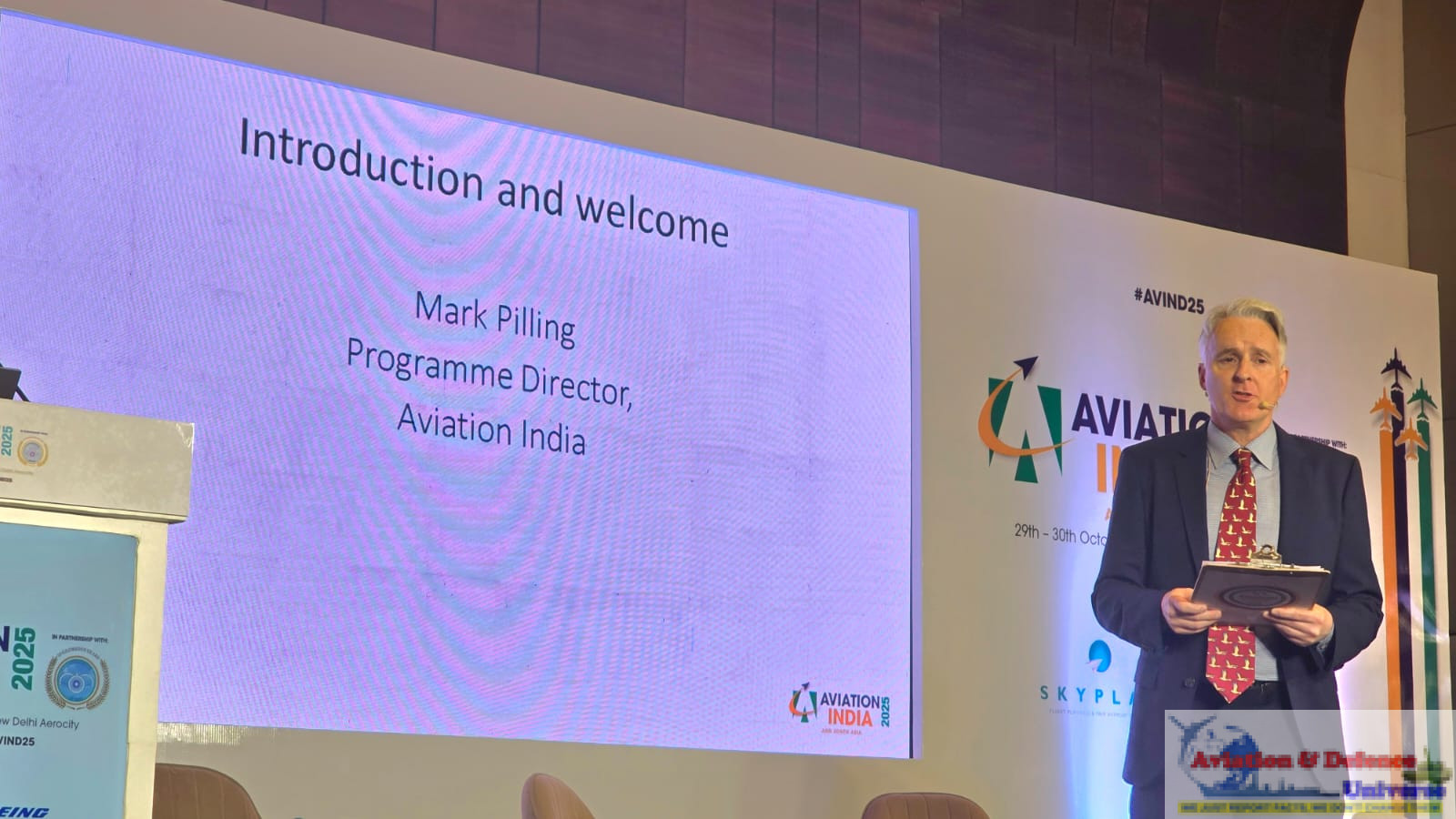 The fire side chat was followed by the Session1 which saw aviation leaders of India converge on a single platform and what emerged was a great discussion between DGCA Dr. Faiz Ahmad Kidwai, Campbell Wilson CEO Air India, Pieter Elbers CEO Indigo, Salil Gupte President Boeing India, Jurgen Westermeier President & MD Airbus India & South Asia, Bharat Malkani CEO MRO Association of India, Ashish Rajvanshi CEO Adani Defence & Aerospace, Dr. Udyant Malhoutra CEO & MD Dynamatic Technologies and moderator once again was Mark Pilling. As India’s aviation sector prepares for its next phase of exponential growth, Aviation India & South Asia 2025 took off with a powerful convergence of industry leadership, highlighting the urgent need for collective thinking and cohesive action across the aviation value chain.
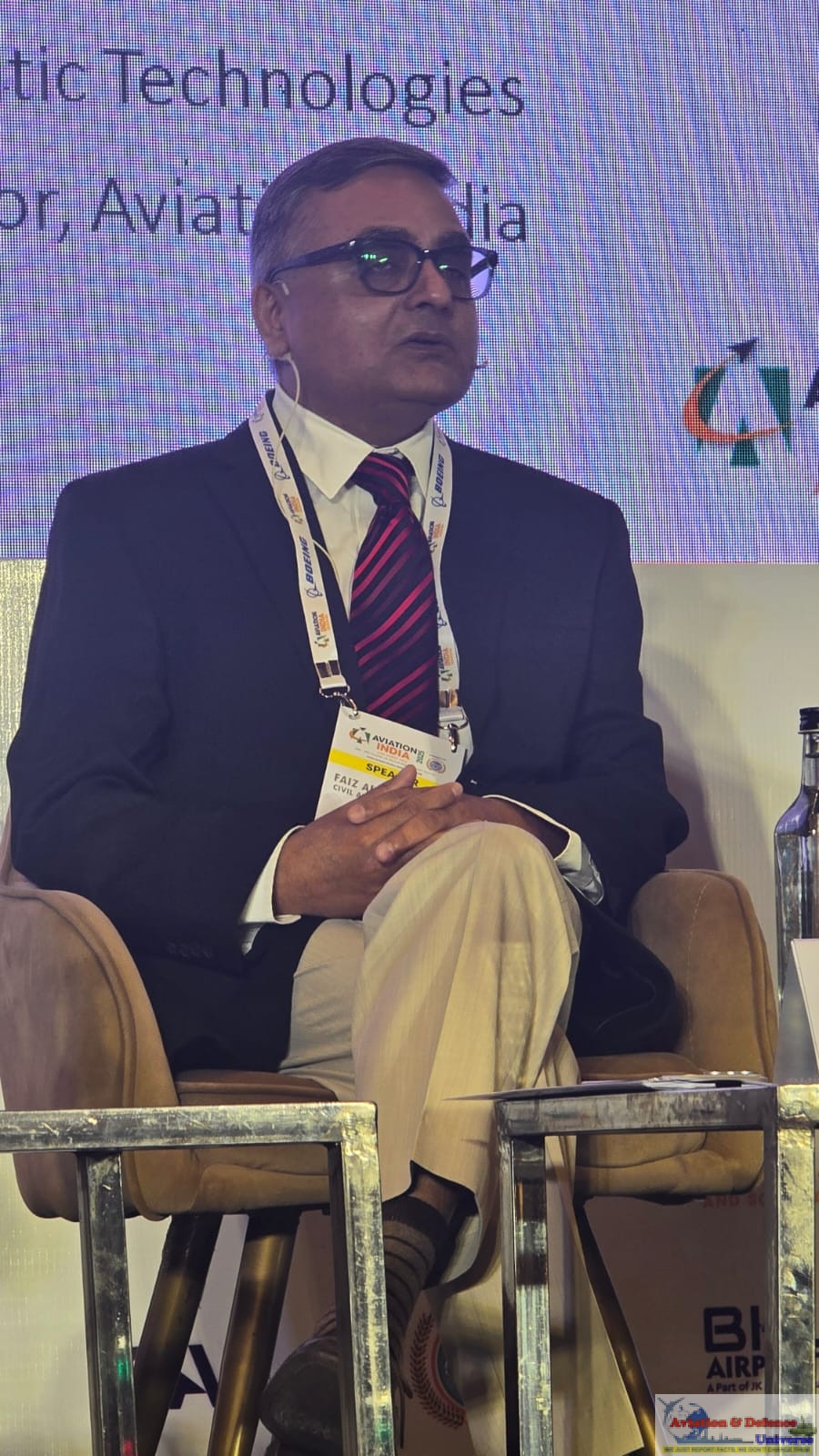 DGCA Dr. Kidwai stated, “India’s aviation market is on the brink of realizing its long-anticipated potential—a future that many believed would arrive “someday” is, in fact, unfolding today. Since taking charge nine months ago, I recognised that we stood at the cusp of enormous growth, and regulatory reforms were crucial to enabling that journey. In the past six months alone, over 100 of the 200-plus civil aviation regulahave been revised in active collaboration with the industry, identifying bottlenecks and implementing solutions to facilitate progress. This spirit of partnership is paving the way for an agile, future-ready aviation sector.”
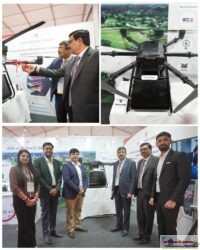
This opening leadership session set the tone for the summit, bringing together top decision-makers from airlines, MROs, regulatory authorities, OEMs, and Indian aerospace industry to brainstorm on the current state and future potential of India’s aviation ecosystem. From the strategic role of regulators to the operational ambitions of airlines, expansion of maintenance, manufacturing and supply chain capacities, the discussions underscored that India’s aviation ascent will require synchronised collaboration. What distinguishes India’s aviation ecosystem is its focus on integrated development—leveraging OEM partnerships (such as Boeing and Airbus), establishing aviation hubs, incentivizing MRO clusters, and fostering innovation through drone and UAV ecosystems. Yet, challenges remain: from capacity constraints and skilled manpower shortages to high taxation on aviation turbine fuel (ATF) and regulatory complexity. Despite these, the synergy between public policy, private investment, and global collaboration positions India not only as the third-largest domestic aviation market but also as a future global leader in aviation innovation, manufacturing, and connectivity.
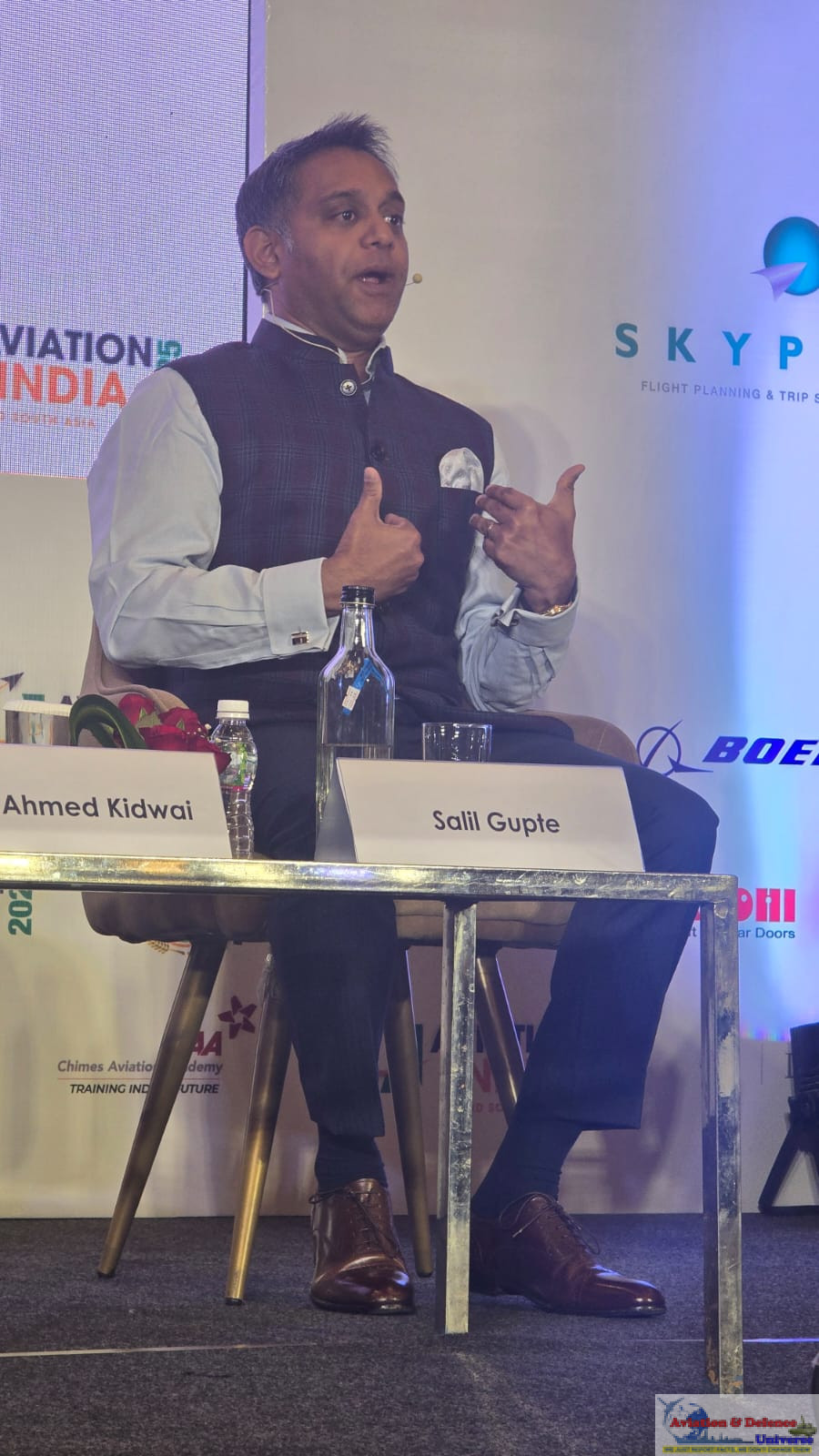 Salil Gupte President Boeing India reinforced on the civil-miliary liason in the MRO industry and stated, “ So I want to note one thing that is the synergy between commercial or civil and defence. Every successful MRO industry in the world has generally leveraged that synergy. And Airworks is a great example of it. We, several years ago, put P-8s, our maritime patrol aircraft, into Airworks for MRO with the blessing of the U.S. government. This was for the Indian aircraft. But the U.S. Navy themselves came and saw the quality there and they were incredibly impressed. The point is this. It’s that we can develop capabilities and scale an MRO largely by taking advantage of both of these growth areas in India. If you just focus on one, you’re competing with folks in the world you can note, which is a challenge..”
Original Equipment Manufacturers (OEMs) such as Boeing and Airbus have emerged as key enablers in shaping and deepening India’s aviation ecosystem. Their role extends far beyond supplying aircraft — they are actively investing in localised manufacturing, engineering services, training, supply chains, and technology transfer. Boeing has significantly ramped up its industrial footprint through initiatives like the Boeing India Engineering & Technology Center and partnerships to support indigenous manufacturing of components and systems for both commercial and defence aircraft. Airbus, likewise, has collaborated with Indian firms for the production of components for its A320 and A350 families, and has also committed to setting up Final Assembly Lines (FALs) and MRO support tailored for India’s growing market.
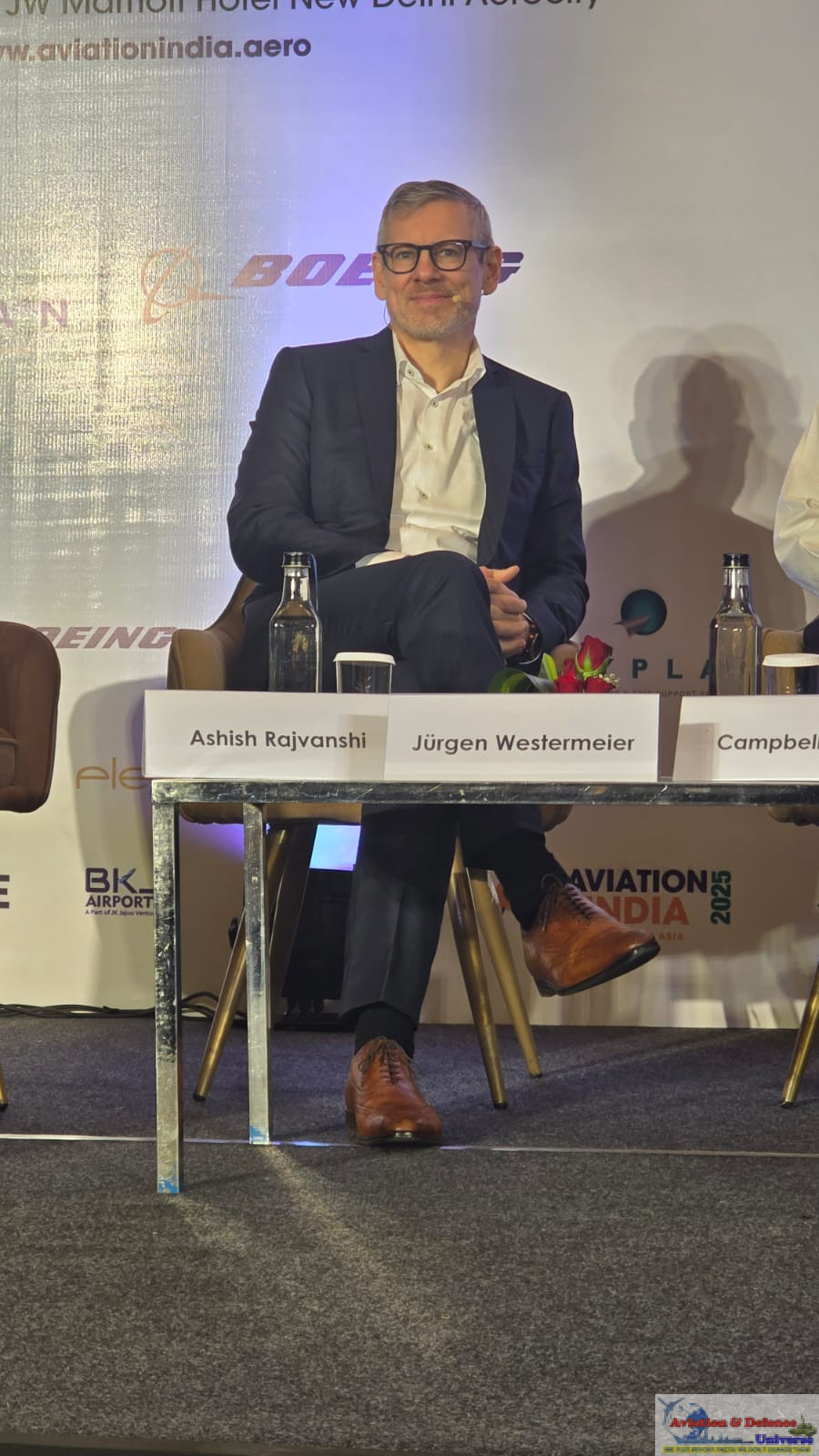 Jurgen Westermeier President & MD Airbus India & South Asia, who has just taken four weeks ago, excitedly spoke, “We are growing our engineering footprint like crazy. We are hiring up to 20% more people every year in the engineering area, because we have the opportunity to get great people, and this is also our contribution to create this human capital, which aerospace is needed. We want to support leasing too. We are building a C295 final assembly line. We are also building a final assembly line for H125 helicopter, the most successful helicopter in the world, and this final assembly line is, you could say, a testament to what we believe India is capable of.”
These OEMs have also partnered with academic institutions and skill development programmes to nurture the next generation of aerospace engineers and technicians. By aligning with the Indian government’s Make in India, Skill India, and Atmanirbhar Bharat initiatives, Boeing and Airbus are not only fulfilling India’s immediate aviation needs but also laying the foundation for a self-sustaining, globally competitive aerospace industry. Their long-term presence and partnerships are instrumental in building a resilient, innovation-driven aviation supply chain in India.
The Maintenance, Repair and Overhaul (MRO) industry in India is experiencing rapid growth—projected to expand from roughly US $1.7 billion in 2021 to about US $4 billion by 2031, representing a compound annual growth rate (CAGR) of around 8.9 %—well above the global average. However, despite the bullish volume projections, Indian MROs still face significant headwinds: only about 15–20 % of services are performed domestically, with the remainder being outsourced abroad.
 Bharat Malkani CMD Max Aerospace & CEO MRO Association of India, putting forth his concern over lack of trained manpower reiterated, “We are dedicated to delivering innovative and reliable services, leveraging our expertise, technology, and industry-leading practices. We aim to always give the best value to our customers without any compromise of quality. We endeavour to continuously innovate, create, and develop cutting edge technologies to achieve this value. And I am speaking for the complete MRO industry. I think a real constraint we’re all going to face is skilled people. Every time I look out there, whether it’s in our airlines, we have the engineers, we have the people, the pilots, but the transition from where they graduated from to what they can do with us, get into the aviation ecosystem, is a bit of a challenge today. We do not have enough institutes. Perhaps, a little rationally put, the ones we have are not up to the challenge enough. So to me, really speaking, is you’ll be able to build a building with bricks and mortar, but can you fit in the right people? And I think, one of my friends, Ashok, is really doing a great job at GMR and building a skilled training college. But it’s not going to be enough by any stretch of the imagination. I think we need tens of thousands. It seems to me we have a violinist, a trumpeter, but we probably need a conductor for this orchestra.”
Key challenges include limited hangar infrastructure at major airports, fragmented supply chains, burdensome regulatory and licensing frameworks, Customs/taxation issues on spare‑parts imports, skill shortages, and heavy reliance on foreign OEMs and global MRO chains. If these structural bottlenecks are addressed through concerted policy reform, industry investment, capacity building and global certifications (e.g., EASA/FAA), India could leverage its large aircraft fleet order‑book and regional location to evolve into a competitive MRO hub servicing both domestic and international operators.
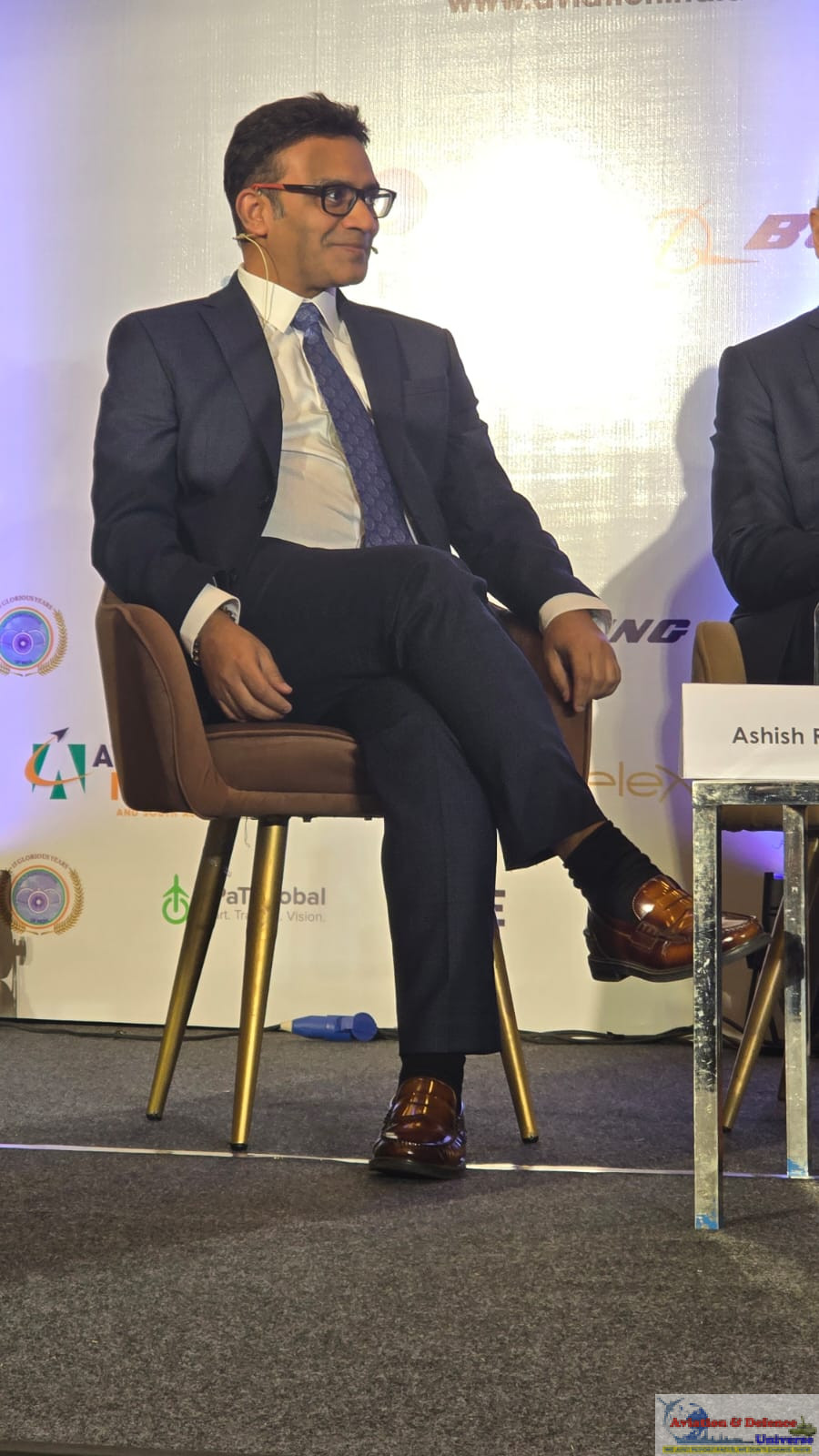 Ashish Rajvanshi CEO Adani Defence & Aerospace who also now has the largest MRO in India Air Works in its’ fold explained, “The time has come to shift accountability from the government to the industry. While the government has laid down the right policy framework and created an enabling platform, it’s now the industry’s responsibility to seize the opportunity. The data tells a compelling story: in 2005, air travel penetration in India was just 2.5%, rising to 5.7% in 2015, and reaching 11.6% in 2025. That’s a two-fold increase in a decade. However, when viewed against per capita terms, this growth—at 7.7%—merely mirrors India’s GDP growth rate. So, what has the industry truly done to capitalize on this opportunity? “
This cross-sectional dialogue did more than share perspectives—it sent a clear message: that India’s aviation transformation will be built on strategic convergence, regulatory clarity, robust infrastructure, and a unified vision across the ecosystem. India’s aviation ecosystem has evolved into one of the most dynamic and rapidly growing sectors in the world, reflecting the country’s economic ambitions and regional aspirations. Encompassing commercial airlines, airports, MRO (Maintenance, Repair & Overhaul) facilities, aerospace manufacturing, pilot training institutes, and a comprehensive regulatory framework, the ecosystem is strategically aligned with national initiatives like UDAN for regional connectivity, Atmanirbhar Bharat for self-reliance, and Make in India for boosting domestic aerospace production. With over 140 operational airports and plans to scale up to 220 by 2025, India’s infrastructure is expanding in tandem with surging passenger growth and air cargo demand.
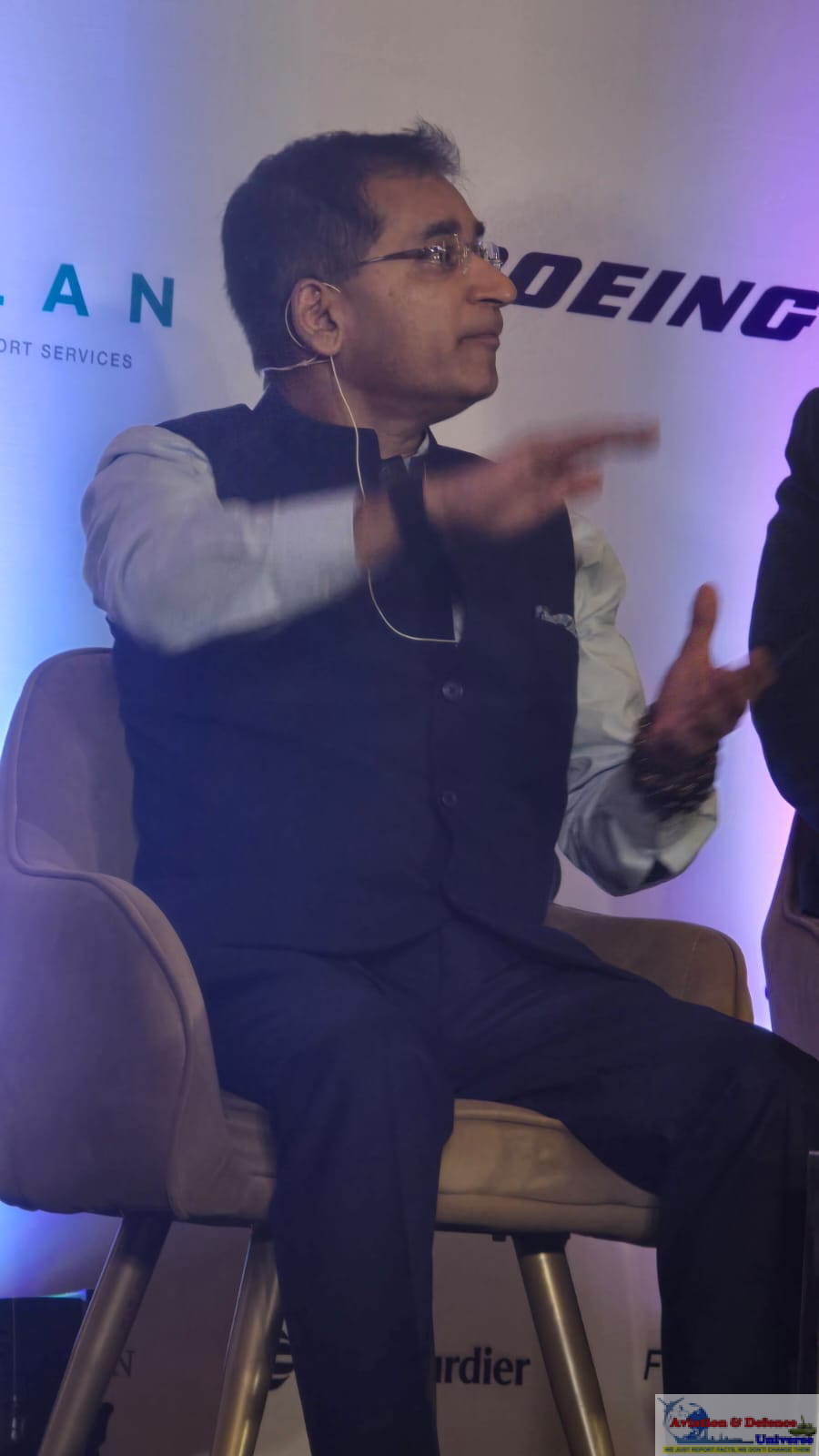 Dr. Udyant Malhoutra CEO & MD Dynamatic Technologies popularly known as Toby in the aerospace world, analysed, “So, from a manufacturing, innovation, design perspective, engineering perspective, MRO needs to be that more premium model. And it’s also the reason why perhaps Air India, Indigo are investing in MRO. So, MRO is a big growth curve. They don’t need to be specific to organisational strength because these regulations also need you to be a lot more competitive on a global scale. But I think you’re up to it. So, there’s a lot of breaking news here. And so, just repeat what Bharat said at the start about the government. So, policies that impact MRO, which we are pursuing and working on have been officially published. Last night we received a letter that these are being cleared up. So, yes, it’s a big deal.”
Next to come up was a Fireside chat with Air India CEO Campbell Wilson, who spoke for the first time in an open forum post the 12th June tragic crash. “ This is the first public engagement we’ve done in India since that tragic day. It’s absolutely devastating for the people involved, for the families and those involved, for the company, the staff. And since that time we’ve really been doing absolutely everything we can to support those affected, both families and also those on the ground, also the first responder and really do whatever we can to ease their journey forward. We’ve had more than 600 people on the ground in Ahmedabad, we’ve set up a trust through Tata that has provided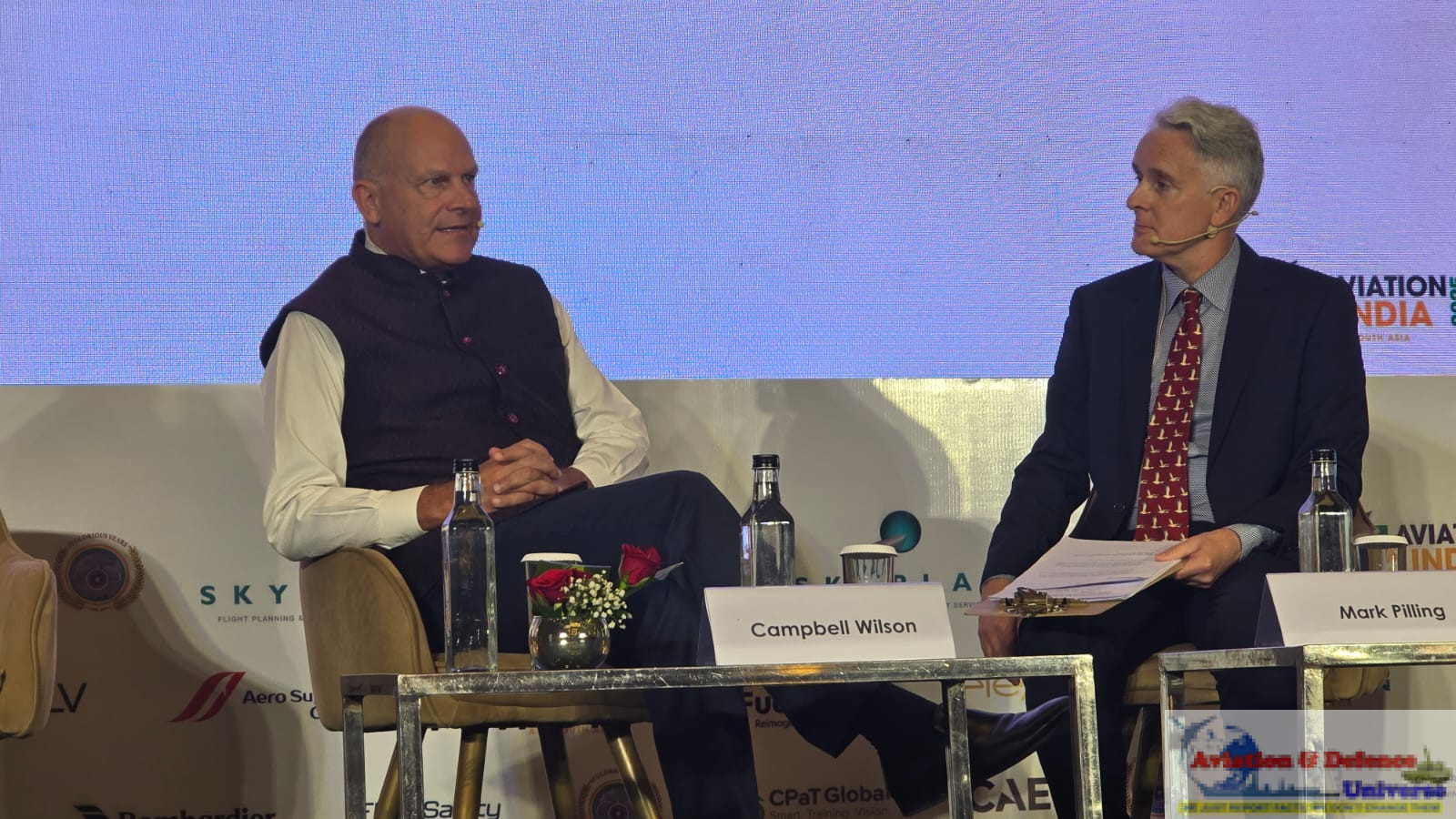 estimation payments to all of the families of those affected. We’ve obviously completed that interim compensation of our own and worked through the final compensation, and really the commitment from both Air India and from Tata is to do absolutely all we can for as long as it takes to bring closure to those that have been affected. We’re also working with investigators. We’re not involved in the investigation directly, it’s something that is run by government. The interim report indicated that there was nothing wrong with the aircraft, the engines, or the operation of the airline. We obviously, as with everyone else, we await a final report, and if there’s anything to learn from it we will absolutely make sure that we do. But for the moment our focus is on those affected and making sure that we help them in the best way we can.”
The summit’s subject, “Shaping the Pathway for Indian Aviation,” attempted to give a broad overview of the nation’s vibrant commercial aviation sector. In order to raise Indian and regional aviation to new heights, visionaries, CEOs, regulators, OEMs, and service providers came together to discuss everything from maintenance, repair, and overhaul (MRO) services and business aviation to airport infrastructure, pilot training, sustainability, and aerospace manufacturing.
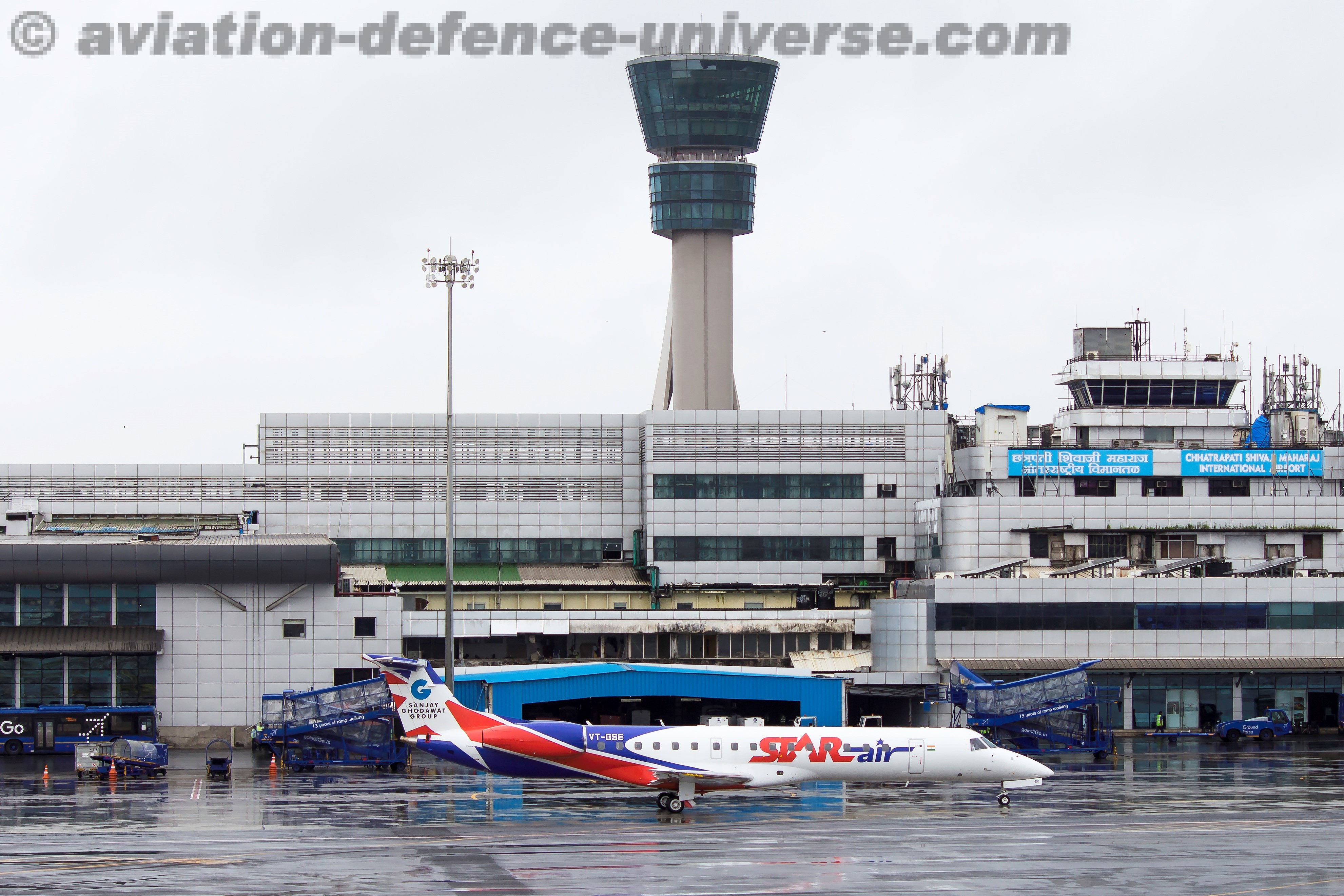 And just the right timing for the Aviation India 2025. India’s flagship civil aviation programme – The Regional Connectivity Scheme- also known as UDAN (Ude Desh Ka Aam Nagrik), commemorated its ninth anniversary recently. UDAN, which was introduced on October 21, 2016, as part of the National Civil Aviation Policy, has been a revolutionary project that aims to make air travel accessible and inexpensive for the average person. On April 27, 2017, Prime Minister Narendra Modi launched the inaugural UDAN flight between Shimla and Delhi, ushering in a new age of regional aviation connectivity. Through 3.23 lakh UDAN flights, 649 routes—including 15 heliports and two water aerodromes—have been operationalized to connect 93 unserved and underserved airports, carrying over 1.56 crore passengers. The government has invested Rs. 4,638 crore in airport development under RCS and distributed over Rs. 4,300 crore as Viability Gap Funding (VGF) to support airline operators and regional infrastructure. The UDAN is more than simply a program; it is a force for transformation and evidence of India’s dedication to ensuring that air travel is sustainable, inclusive, and a crucial component of our progress.
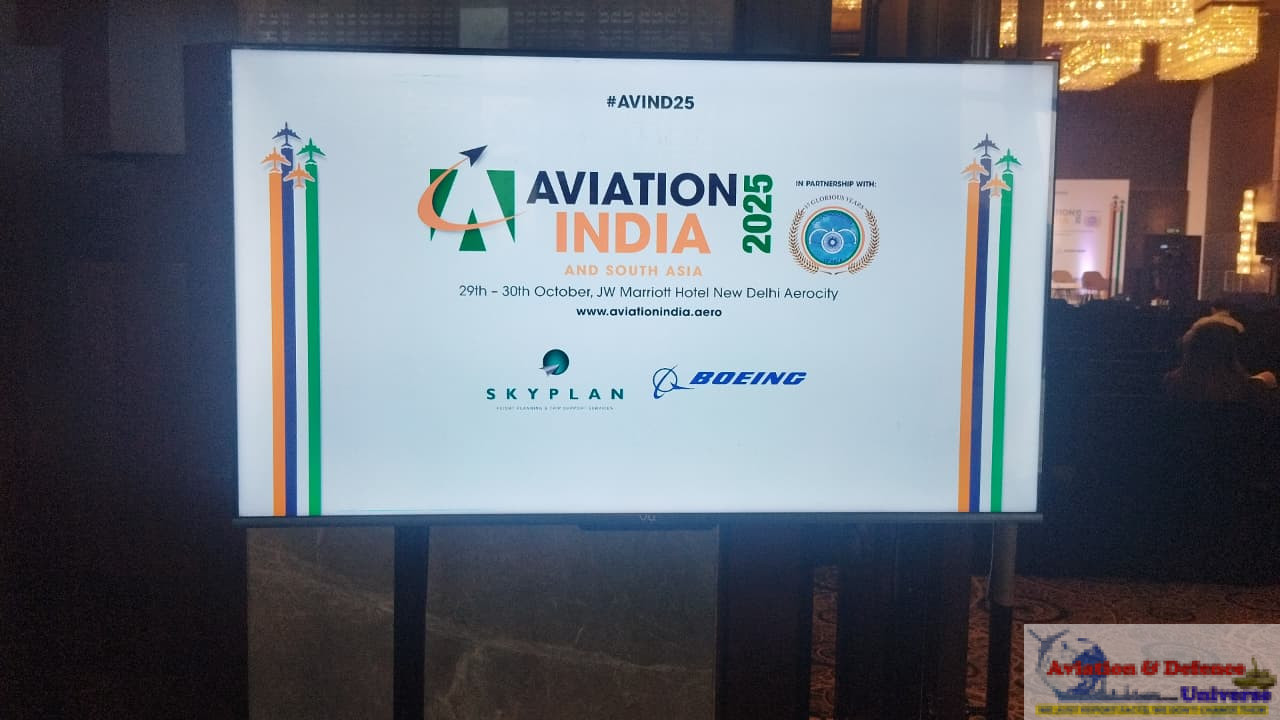 As the leadership session at Aviation India & South Asia Summit 2025 concluded, culminating in a much-needed lunch break, the atmosphere was already charged with insight, ambition, and collaboration. The first half of the summit witnessed powerful conversations, pointed observations, and a collective call for convergence across India’s aviation value chain—from airlines and OEMs to MROs, regulators, and infrastructure providers. The exchange of ideas among India’s top aviation decision-makers and global thought leaders set a robust tone for the remainder of the summit.
In an effort to keep the storytelling crisp and comfortably readable, each session of Aviation India 2025 will be featured as a separate story on Aviation & Defence Universe (ADU). Readers are encouraged to keep clicking the “Aviation India 2025” section on the ADU platform for rolling updates and exclusive insights. Stay tuned as we chart brainstorming on all facets of the aviation ecosystem, keeping a track of India’s path to becoming a true global aviation powerhouse.