
















- Fractional Ownership & FBOs Spark Oft Repeated Debate
- Sky’s the Limit — If Policy Follows Vision: Industry Leaders on India’s Business Aviation Path Ahead
- “You Can’t Run Private Aviation Like Commercial Aviation”: Industry Voices at Aviation India 2025
By Sangeeta Saxena
New Delhi. 04 November 2025. India’s general aviation sector stands at a critical juncture—full of promise yet burdened by persistent bottlenecks that keep it from truly soaring. As the nation’s commercial aviation surges to record heights, private and business aviation continue to operate within a fragmented framework of outdated infrastructure, inconsistent regulations, and heavy taxation. Once seen merely as a luxury reserved for the elite, business aviation is today being redefined as an enabler of economic growth, regional connectivity, and national development. But it is still the mode of transport for the rich. From air ambulances and corporate charters to helicopter operations and soon-to-arrive eVTOLs, the sector embodies both aspiration and frustration. The Fourth Panel Discussion at Aviation India 2025 on General Aviation brought together leading voices of the industry—operators, entrepreneurs, and regulators—to dissect the challenges, debate the reforms, and envision a future where India’s skies are open not just to airlines, but to every wing of private and business flight.
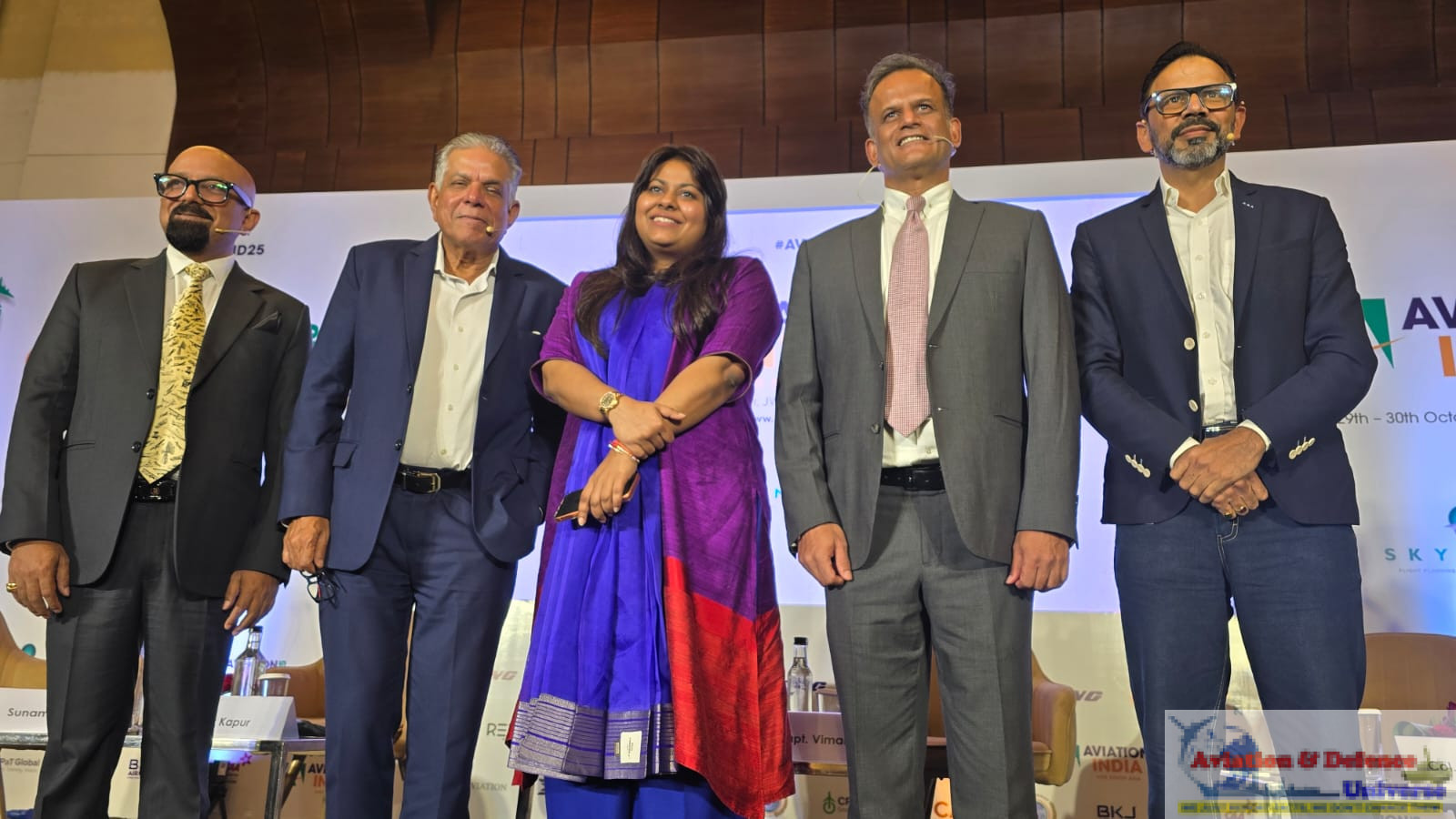
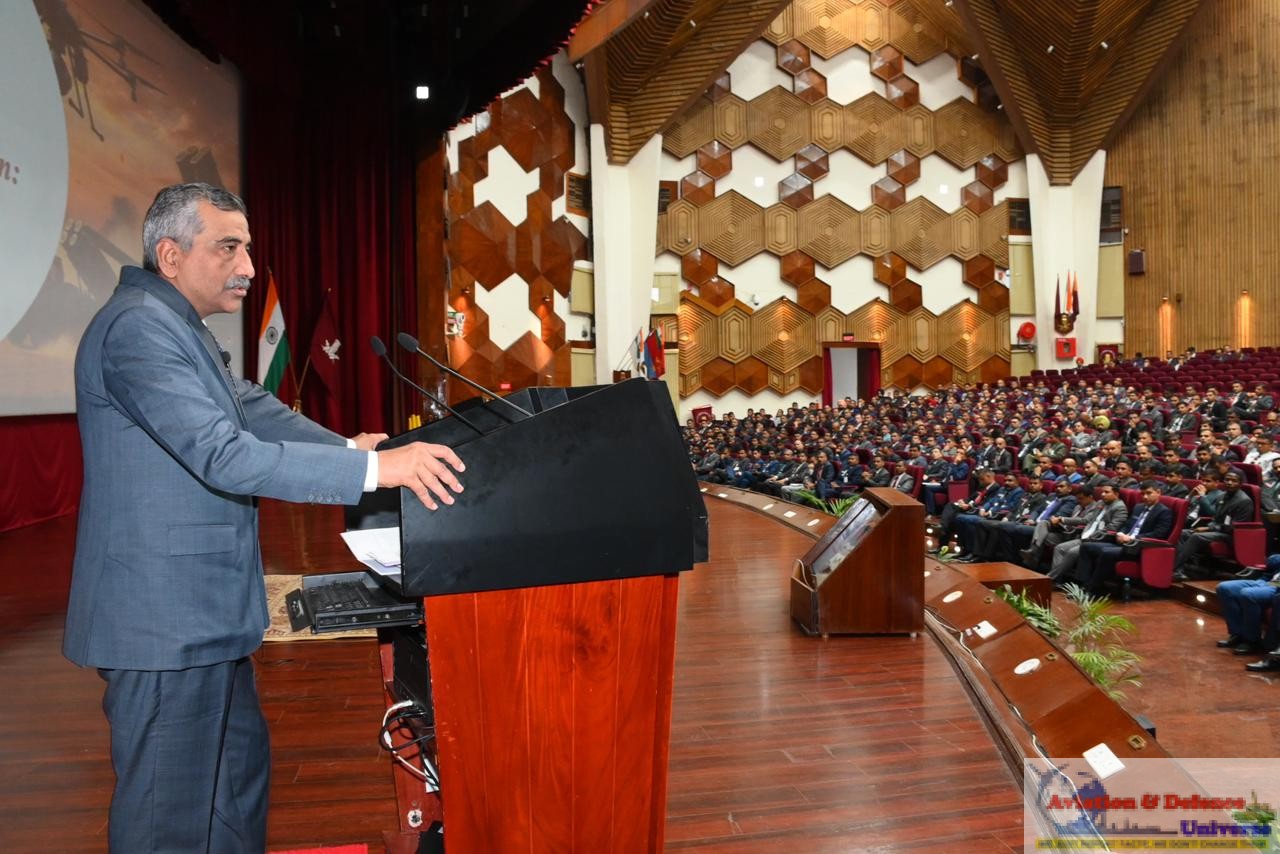
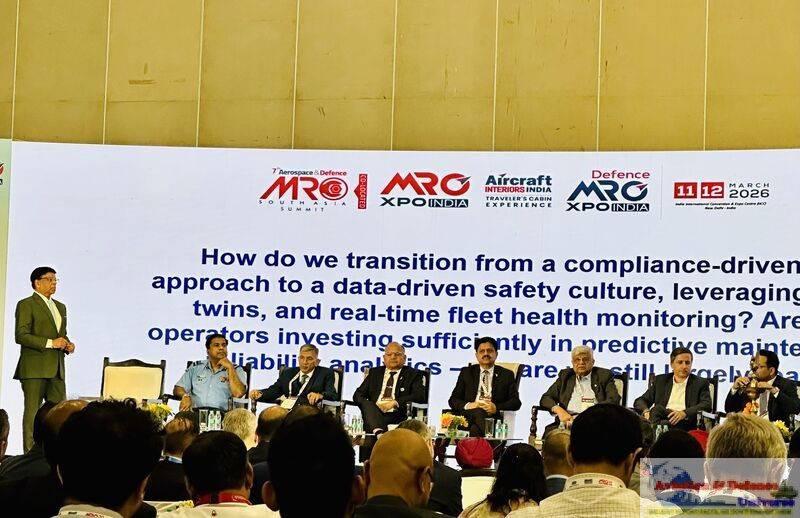
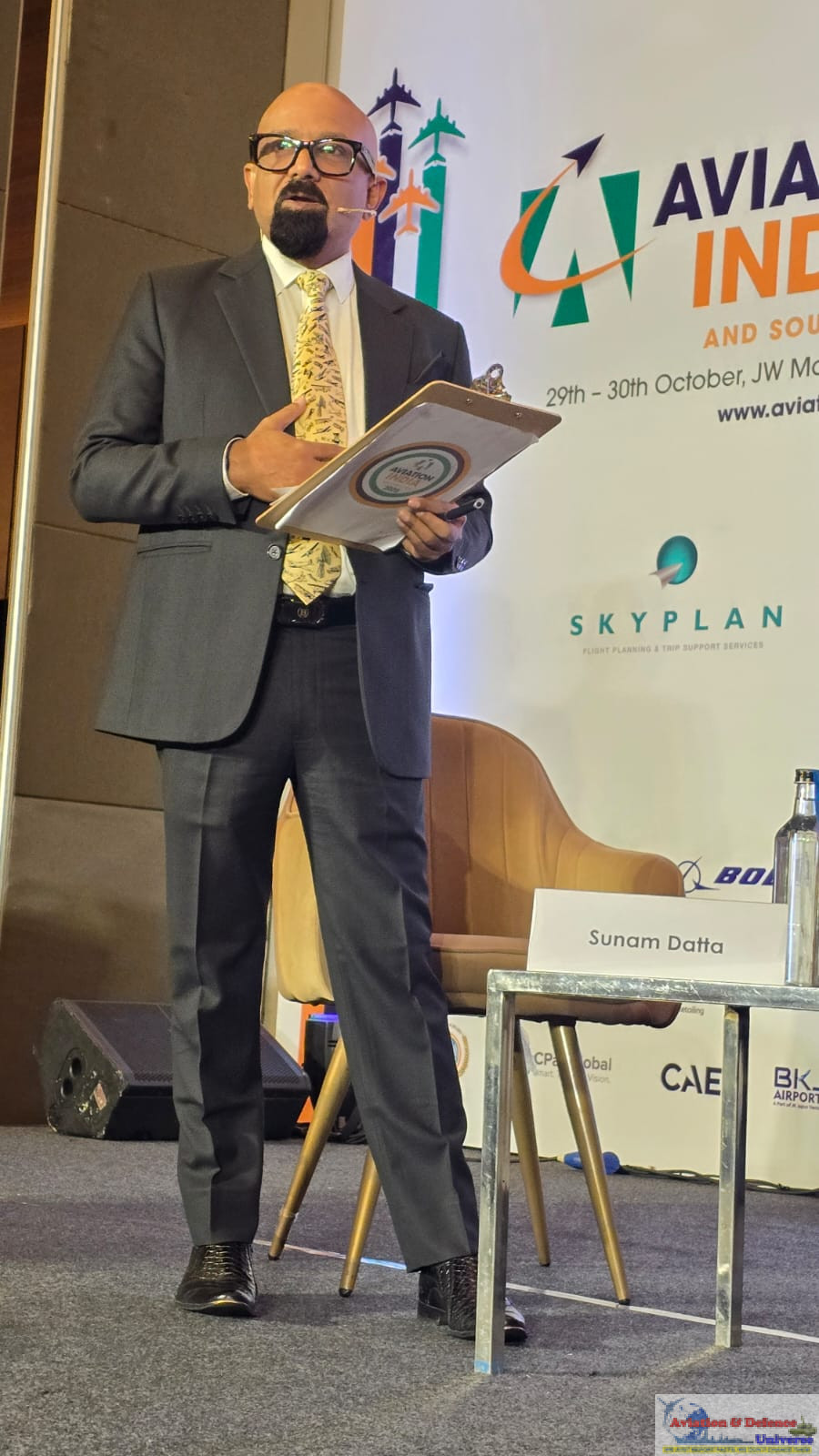 The Fourth Panel Discussion on Day 2 of Aviation India 2025 brought together some of the most prominent voices from India’s business aviation sector to address the opportunities, bottlenecks, and bold reforms needed to propel general aviation into its next phase of growth. The session—moderated by Sunam Dutta Chief Commercial Officer of Skyplan—featured an engaging exchange between Capt. Vimal Roy Vice President, Reliance Industries), Col. Sanjay Julka CEO -Technical, Club One Air, Kanika Tekriwal Founder & EO , JetSetGo and Rohit Kapur Managing Partner, The Jet Company. Together, they unplugged the critical gaps in infrastructure, policy, taxation, and perception that continue to constrain India’s private aviation ecosystem despite its vast potential.
The discussion opened with an unfiltered account of the current state of private flying in India. “There was a first night for all the commercial aircraft passengers,” Kanika Tekriwal, the woman behind Jet Set Go remarked wryly, narrating her experience of waiting endlessly for the CISF guard to unlock a gate. “I sat in a vehicle, which was actually a dog-rest van, just to reach the plane. If my experience is this bad, what can I offer to my customers?” She stressed that India’s outdated terminal infrastructure is unfit for the high-end private aviation clientele. “Flights from old terminal buildings—like Bhopal’s—could easily be converted into FBOs for private jet operations. That would transform the user experience completely. If someone is paying ₹50,000 for a hangar, why should he stand in the same queue as every other passenger?”
 The panel agreed that while the image of private aviation is evolving, affordability and perception remain major hurdles. “Any of you feel that private jets are a rich man’s game?” asked moderator Sunam Dutta. “Well, it’s a rich man’s game—that’s not the last of it,” came the candid reply. “The perception is changing,” said Kanika Tekriwal. “Earlier, many who could afford private jets avoided them because of how the government viewed it—‘this guy is landing in a private jet.’ That’s changing. More people are chartering jets now; groups of friends even pool resources to fly together. The habit of using private jets is penetrating deeper, but it’s still expensive—about $4,000 an hour.”
The business aviation industry in India faces a complex web of challenges that continue to limit its growth despite enormous potential. The foremost issue is the lack of dedicated infrastructure, including the absence of world-class Fixed Base Operators (FBOs), hangars, and parking bays at major airports. Most business aircraft still operate from outdated or shared terminals, diminishing the premium experience expected by clients. Compounding this is an overlapping regulatory framework—private aviation is often governed by the same rules as commercial airlines, creating unnecessary bureaucratic hurdles for flight clearances, maintenance permissions, and pilot licensing.
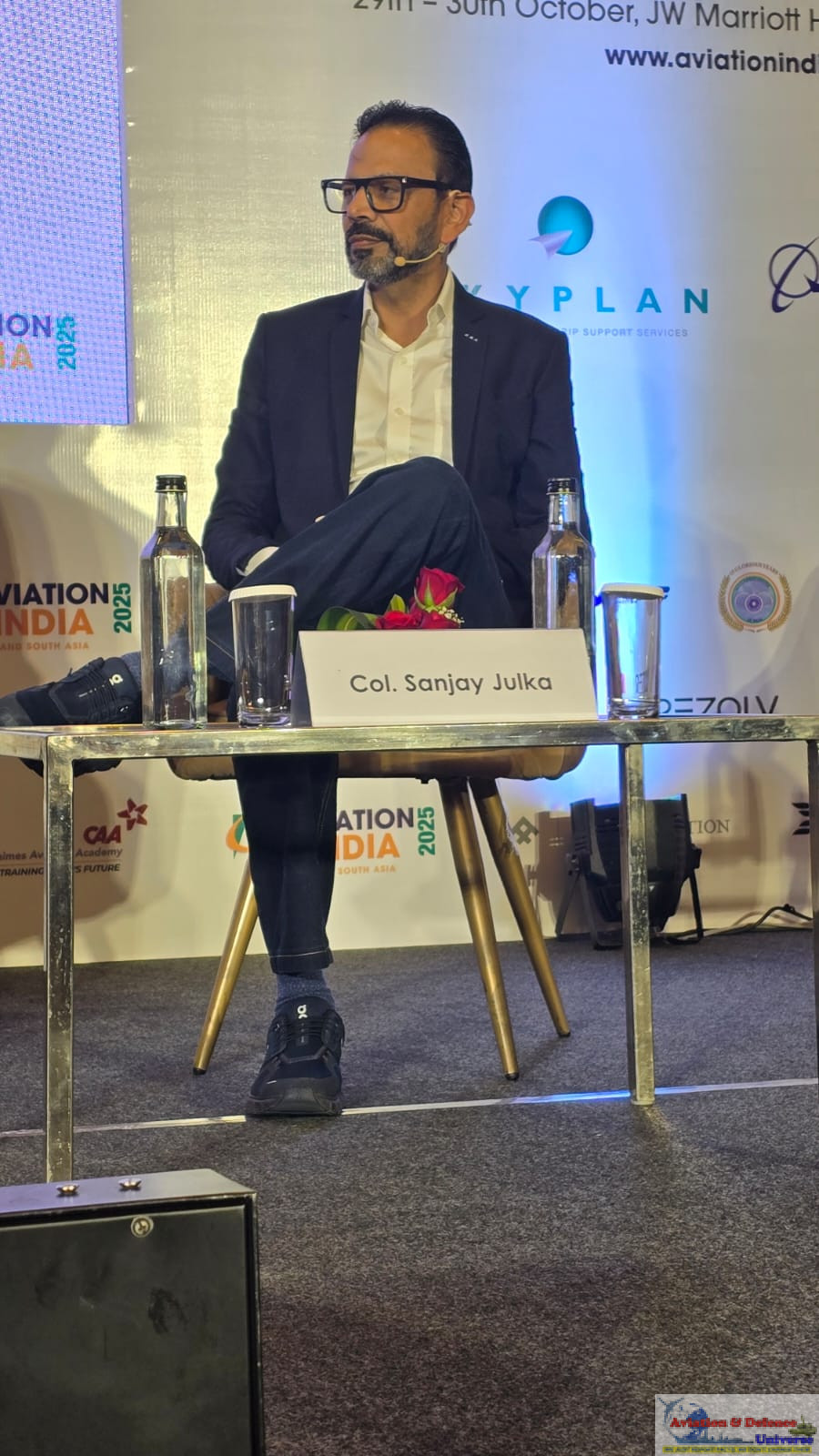 Col. Sanjay Julka highlighted the uneven progress in infrastructure. “Delhi has seen a big change. Terminal 4 and the new FBOs have really improved the experience. But small cities like Bhopal are still far behind. The concept of an FBO—where a single agency manages everything—does not exist yet.”
Capt. Vimal Roy of Reliance Industries agreed, adding that India’s infrastructure challenges are systemic. “You cannot run private aviation like commercial aviation,” he said. “For me to land a helicopter, I have to call the collector, the DM, the police, the firemen and the ambulance. It’s ridiculous. We need a system that enables rather than obstructs. Private aviation should serve national goals like firefighting, medical evacuation, and rescue ops.”
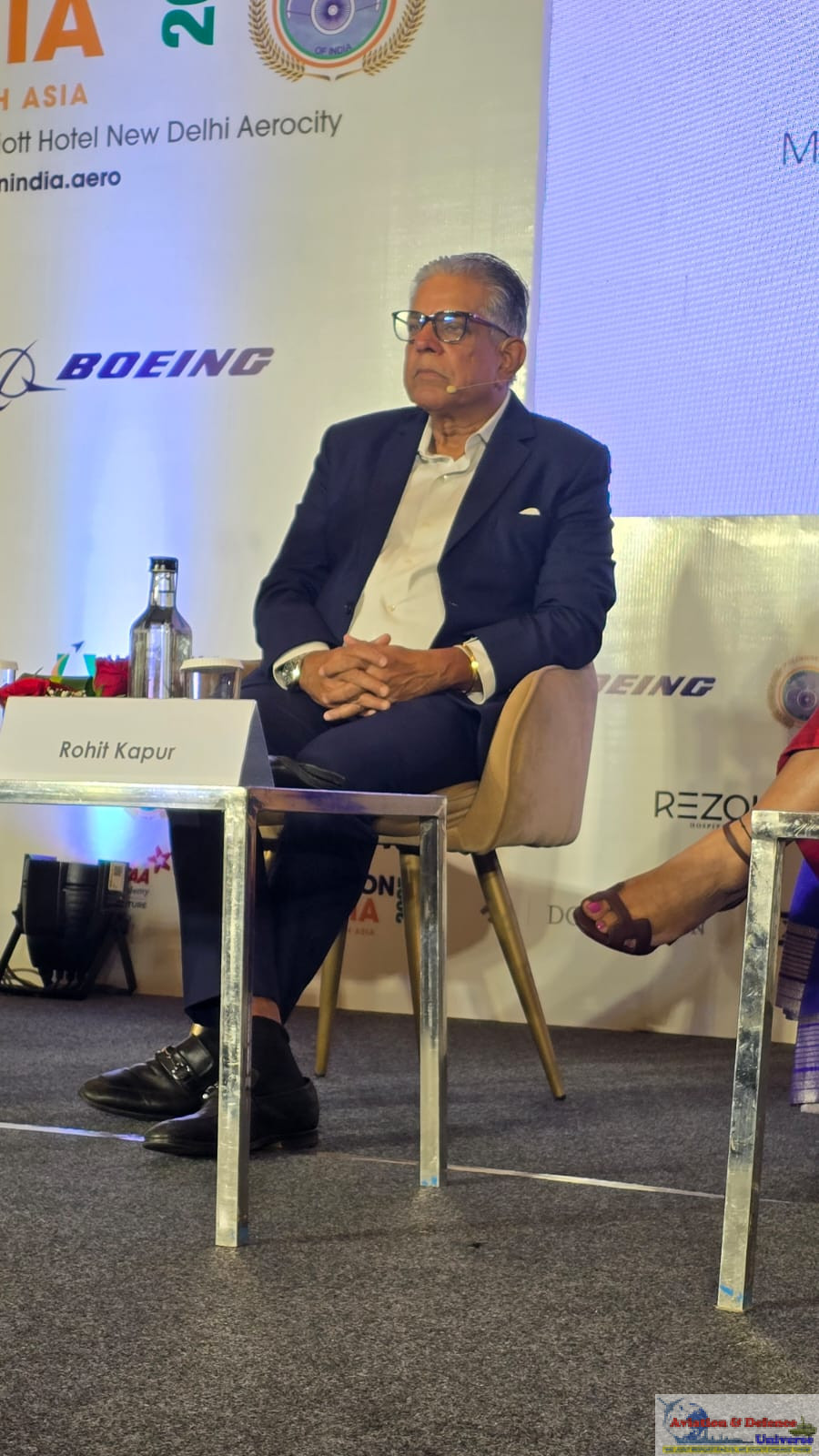
Rohit Kapur of The Jet Company pointed out that while India aspires to global aviation standards, a lack of mutual trust between regulators and operators continues to drag progress. “ICAO is a globally accepted safety standard. If an operator invests in that certification, the regulator should give credit for it. Unfortunately, there’s still mistrust. Regulators think operators cut corners, while operators feel micromanaged. We need a more balanced partnership.” He added, “Regulations meant for airlines are being forced on private operators. The DGCA must believe that we care about safety. We won’t put unsafe pilots in the cockpit. Unless that trust is rebuilt, business aviation will never take off the way it should.”
 Taxation policies remain another major bottleneck; high import duties, GST on charters, and fuel taxes make operations expensive, deterring new entrants. The absence of a dedicated General Aviation (GA) policy further prevents structured growth, investment, and innovation in the sector. Additionally, limited skilled manpower—especially trained pilots, engineers, and ground crew for private aircraft—poses a growing operational challenge amid rapid expansion. Finally, the lack of trust and coordination between regulators and operators has slowed reform and innovation. For India’s business aviation to truly take off, it must address these systemic constraints through better infrastructure, rationalised taxation, and a policy framework tailored specifically for general aviation.
The panel unanimously called for rationalisation of taxes and a dedicated General Aviation (GA) policy. “One thing I want to see change is the rationalisation of taxes,” said Col. Julka. “There are issues stuck because taxes are uneven. Once they’re levelled, models like fractional ownership and aircraft management will thrive.”
Adding nuance, Kanika Tekriwal said, “When we go to the Ministry of Finance for tax rationalisation, they ask, ‘If I give you this, where do I make up the loss?’ The problem is optics. They see private aviation as luxury, not as a national asset. We need to define what is luxury. Flying from Delhi to Mumbai is luxury—tax that. But flying to an unserved area for industrial development or emergency medical aid is nation-building. Don’t tax that.”
 Fractional ownership in business aviation has struggled to succeed in India primarily due to regulatory, fiscal, and operational bottlenecks that have prevented the model from taking off — quite literally. At its core, the concept allows multiple individuals or companies to co-own an aircraft, sharing costs and usage in proportion to their ownership stake. While this model has flourished in the U.S. and Europe, in India it remains largely unviable because of structural challenges.
Responding to a question on why fractional ownership has failed in India, Kanika Tekriwal replied, “It never took off to fail. We’ve been fighting for that policy for years, but it hasn’t been approved yet. It’s still waiting for takeoff.”
Looking ahead, she was optimistic about the future. “The next big opportunity is eVTOLs. We’re working with the government and the World Economic Forum to set up testing zones in Andhra Pradesh and Rajasthan. I’ve personally invested in a STOL manufacturer. We’ll see the first STOL takeoff in the next two years.”
Operationally, infrastructure constraints — such as limited FBOs, parking spaces, and maintenance support — make it difficult for fractional operators to ensure seamless availability and scheduling of aircraft. Additionally, public perception and policy optics around private jets as symbols of luxury rather than business efficiency have made the government cautious about granting concessions or reforms to the sector.
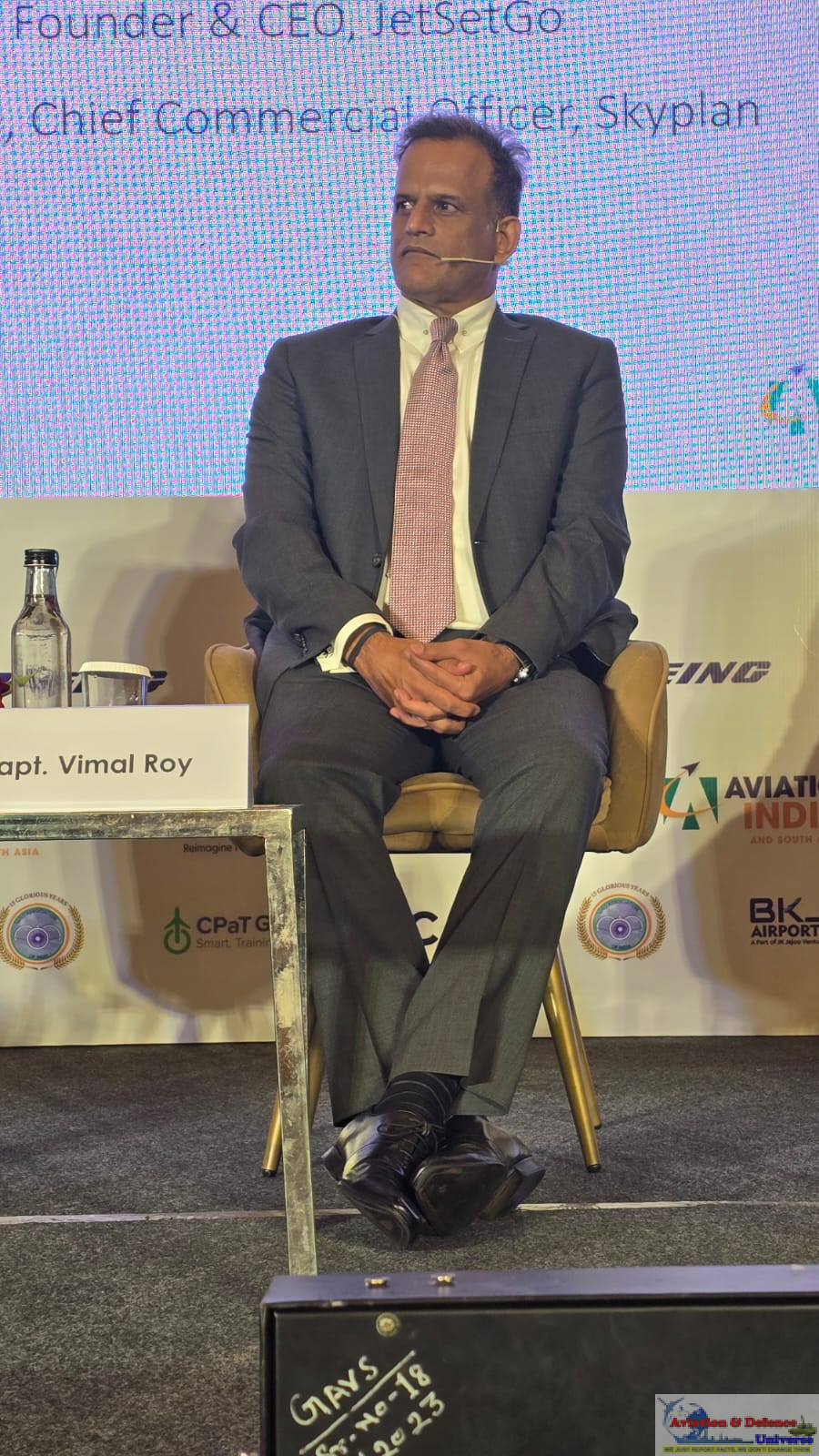 “There’s been no new heliport built in 70 years,” lamented Capt. Roy. “We talk about helicopter growth, but where will they operate? Unless we invest in infrastructure and create a 2047 vision for business aviation, we’ll keep going in circles.” Col. Julka added that while the government’s UDAN scheme has spurred new airports, manpower remains a weak link. “We’re expanding fast, but how are we managing the skill level of people? We can buy aircraft, but where will we get experienced pilots and engineers? Without consolidation and proper training, expansion can turn unsafe.”
The foremost obstacle is regulatory ambiguity — there is no clear policy or framework defining how fractional ownership should operate within India’s Directorate General of Civil Aviation (DGCA) regulations. The absence of provisions for shared ownership, management, and liability discourages both investors and operators. Moreover, high import duties, taxation on aircraft acquisition, and complex ownership registration laws make it economically unattractive. The lack of financial incentives or clarity on depreciation and leasing structures further weakens its appeal.
In closing, Capt. Vimal Roy struck an optimistic note: “We are a very big nation with thousands of opinions. Change won’t happen overnight, but it will happen. The economy is strong, the aviation sector is expanding, and the next generation is entering a golden era. Stay pragmatic and positive—the skies are opening up.”
In closing, the General Aviation session at Aviation India 2025 underscored that India’s business aviation industry is both a symbol of aspiration and a mirror to its regulatory realities. The conversation revealed a shared sentiment — that while the skies ahead are promising, the runway remains cluttered with policy, infrastructure, and taxation hurdles. From the urgent need for a dedicated General Aviation (GA) policy to the rationalisation of taxes, expansion of FBO infrastructure, and greater regulator-operator trust, every stakeholder agreed that reform must replace red tape. The panelists envisioned a future where private aviation is recognised not as a luxury, but as a nation-building tool — essential for regional connectivity, emergency response, and economic dynamism. As India dreams of becoming a global aviation powerhouse by 2047, its general aviation ecosystem must evolve from survival to scalability.
The applause that followed reflected both appreciation and urgency. As the panel concluded, one message resonated clearly: for India’s general aviation to truly soar, it needs trust, infrastructure and policy coherence — not just ambition.