











- From Pilgrimage to Air Ambulance : India’s Helicopter Sector Eyes Next Leap
- HEMS, Tourism & Corporate Demand : The New Growth Story of Indian Helicopters
- Helicopter Industry Calls for Financing, Infrastructure and Policy Push at Biz Av India
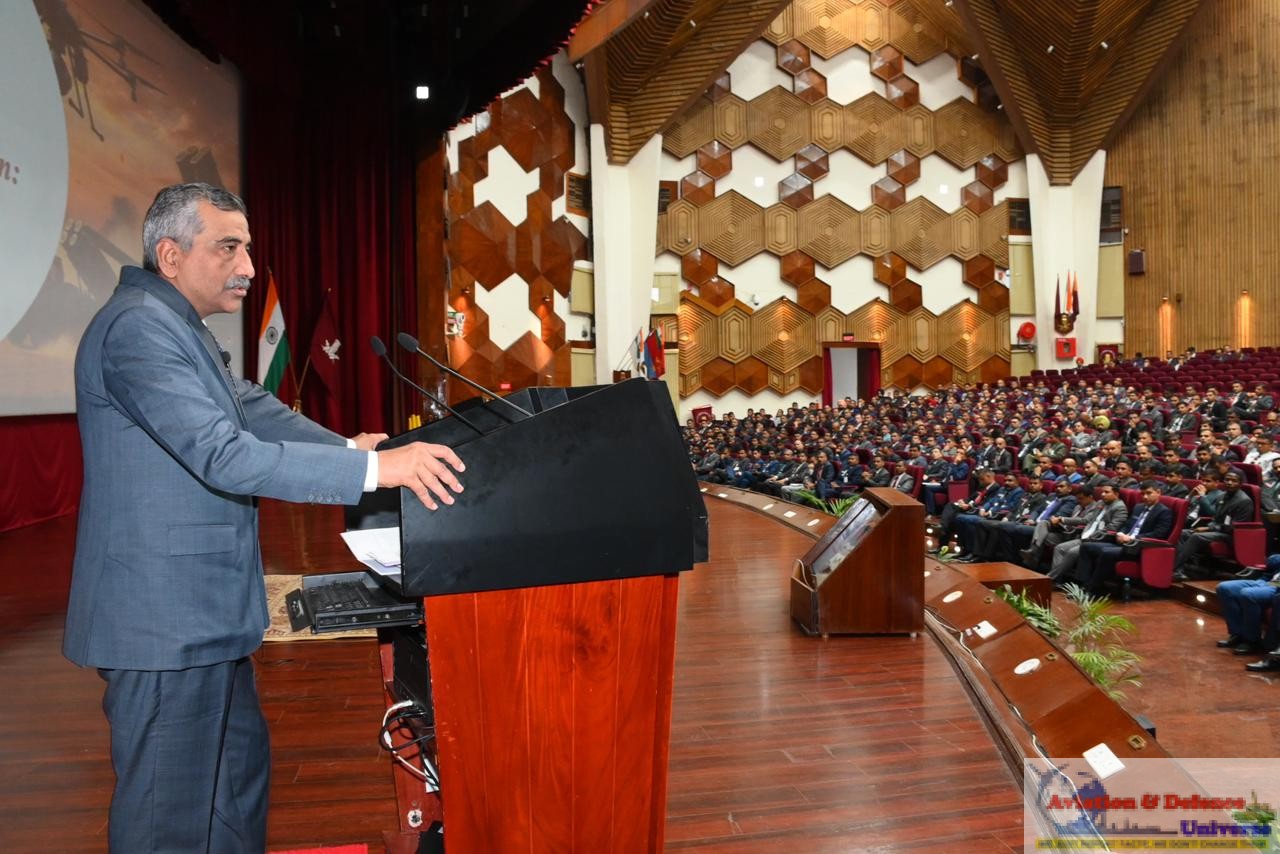
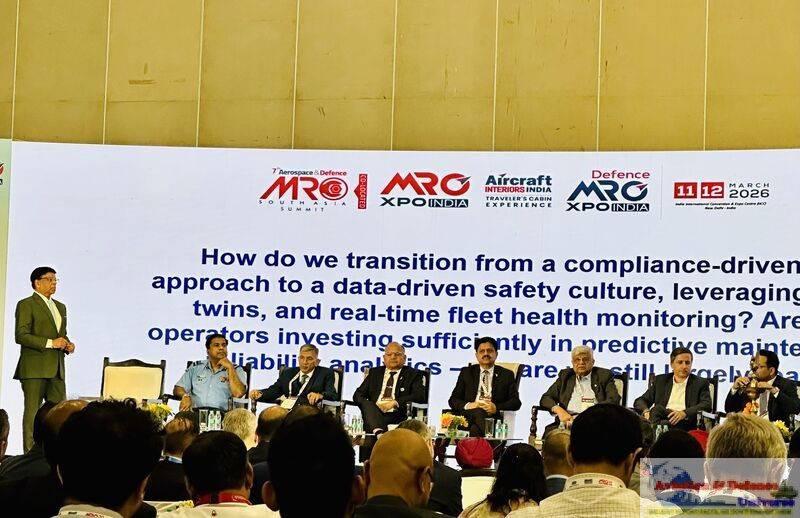
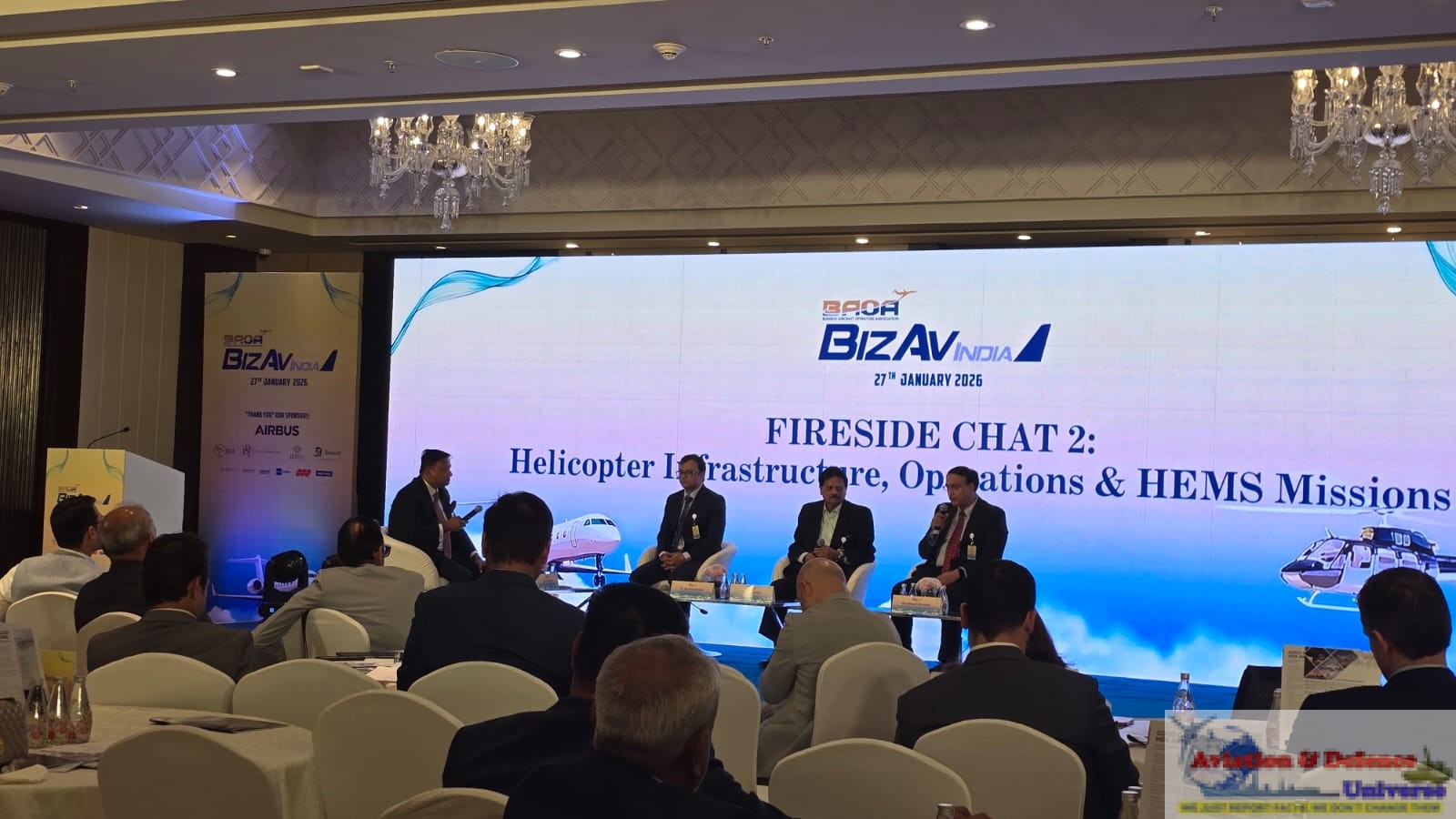
Hyderabad. 31 January 2026. As India’s aviation ecosystem expands beyond metro airports and fixed-wing dominance, helicopters are steadily emerging as critical enablers of connectivity, emergency response and regional economic growth. From pilgrimage routes in the Himalayas to offshore energy operations, corporate mobility and life-saving HEMS missions, rotorcraft are redefining the scope of general aviation in the country. At the Helicopter Infrastructure, Operations & HEMS session of Biz Av India, held on the sidelines of Wings India 2026 in Hyderabad, regulators, OEMs and operators came together to examine the sector’s growth trajectory, operational bottlenecks, financing challenges and safety imperatives. The discussion reflected both optimism about rising demand and realism about the structural reforms needed to sustain expansion.
The session was moderated by Rohit Mathur, CEO of Heritage Aviation Pvt Ltd. The panel featured Bharat Bhushan, Joint Director General, DGCA, Gaurav Adhikari, Head of Civil & Para-Public Sales, Airbus Helicopters and Srinivas Rao, Sr. Vice President, Aviators Air Rescue Pvt. Ltd. Industry. Veterans and operators from the audience also contributed to the discussion.
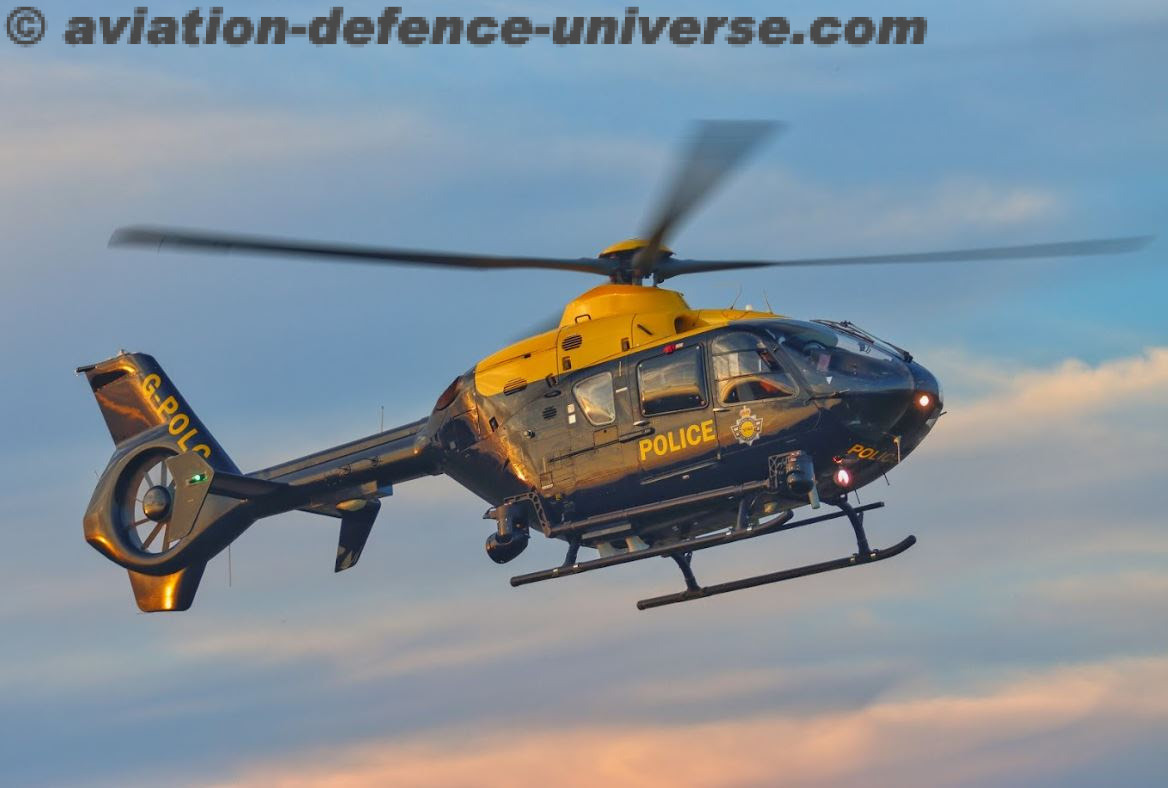 Role of helicopters in global general aviation has surged by leaps and bounds. Globally, helicopters have evolved far beyond their early perception as luxury or VIP transport platforms. They are now embedded in critical infrastructure—supporting offshore energy, emergency medical services (HEMS), disaster relief, law enforcement, firefighting, tourism, and business mobility. In advanced aviation markets, helicopter ecosystems are supported by structured financing, robust insurance frameworks, dedicated heliports, and integrated EMS networks. The global growth of HEMS in particular reflects a shift toward time-sensitive aviation solutions where the value proposition is measured in lives saved, productivity enhanced and geographic barriers removed.
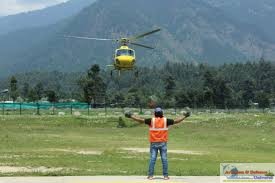
The Indian story is a little but developing steadily. And some might say that in India, the helicopter narrative is undergoing a similar transformation. The mindset shift—from helicopters as symbols of affluence to tools of efficiency and public service—was repeatedly underscored during the session. Pilgrimage transport in the Himalayan region, VIP connectivity, corporate site visits, offshore operations and emerging HEMS projects are driving new demand. Panellists noted that last year alone, helicopter services under the “Sanjeevani” project in Uttarakhand reportedly saved over 60 lives in nine months, highlighting the tangible social impact of rotary aviation. However, the Indian ecosystem remains uneven, with heavy concentration in select sectors such as offshore oil and limited penetration into remote and high-potential regions like the Northeast.
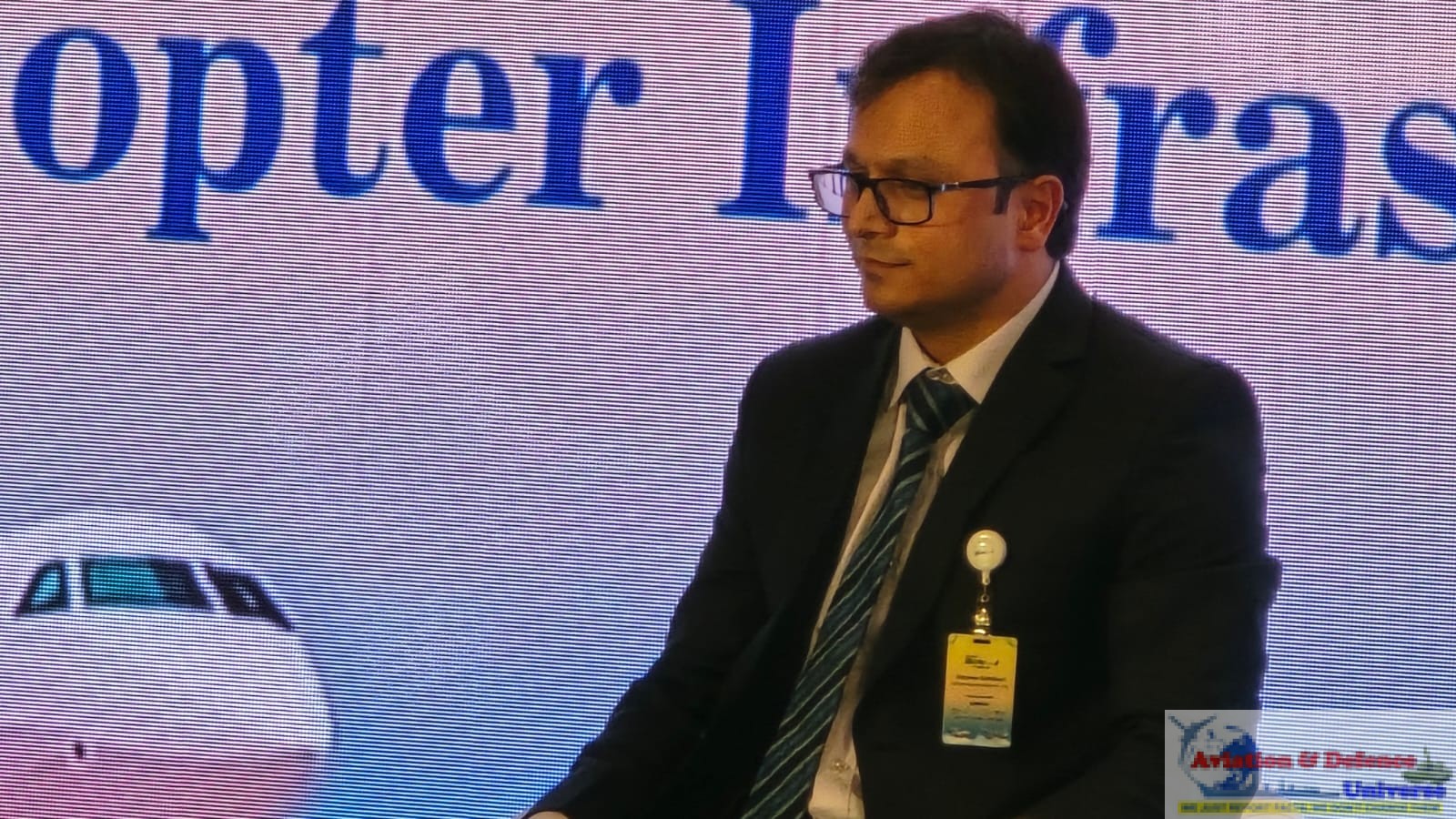 Addressing the surge in demand, Gaurav Adhikari of Airbus Helicopters observed that a fundamental shift in perception is underway. “The first reason why we see the increase in demand is that the mindset is also changing where people are not seeing helicopters just as a luxury tool. They are seeing it as a tool which saves time, which brings solutions,” he said.
He elaborated that demand spans multiple segments—pilgrimage transport in northern India, VIP travel, state government initiatives such as HEMS, and corporate mobility. On the corporate side, Adhikari revealed that “around 30% of the demand is from new corporates,” meaning companies that previously did not own helicopters are now investing in them as business tools. He also noted a growing comfort with single-engine helicopters, saying corporates increasingly see them as “a reliable asset which saves them time, which brings solutions to them and which makes them more efficient in their day-to-day business.”
The helicopter industry in India is gradually transitioning from a niche, perception-driven segment to a strategic component of the broader aviation ecosystem. What was once seen largely as a luxury mode of transport for corporates and VIPs is now increasingly recognised as a productivity tool, a connectivity enabler and a life-saving platform for emergency medical services. Growth is being driven by expanding infrastructure projects, religious tourism in the Himalayan and northeastern regions, offshore energy operations, state government mobility requirements and the gradual emergence of HEMS and disaster response missions. Corporate demand is also diversifying, with first-time buyers entering the market and growing acceptance of single-engine helicopters as reliable, cost-efficient assets. While annual absorption numbers remain modest compared to global markets, the doubling of deliveries in recent years signals rising confidence. With policy support, infrastructure development and financing reforms, the helicopter sector has the potential to expand significantly and become a critical pillar of regional connectivity and time-critical mobility in India.
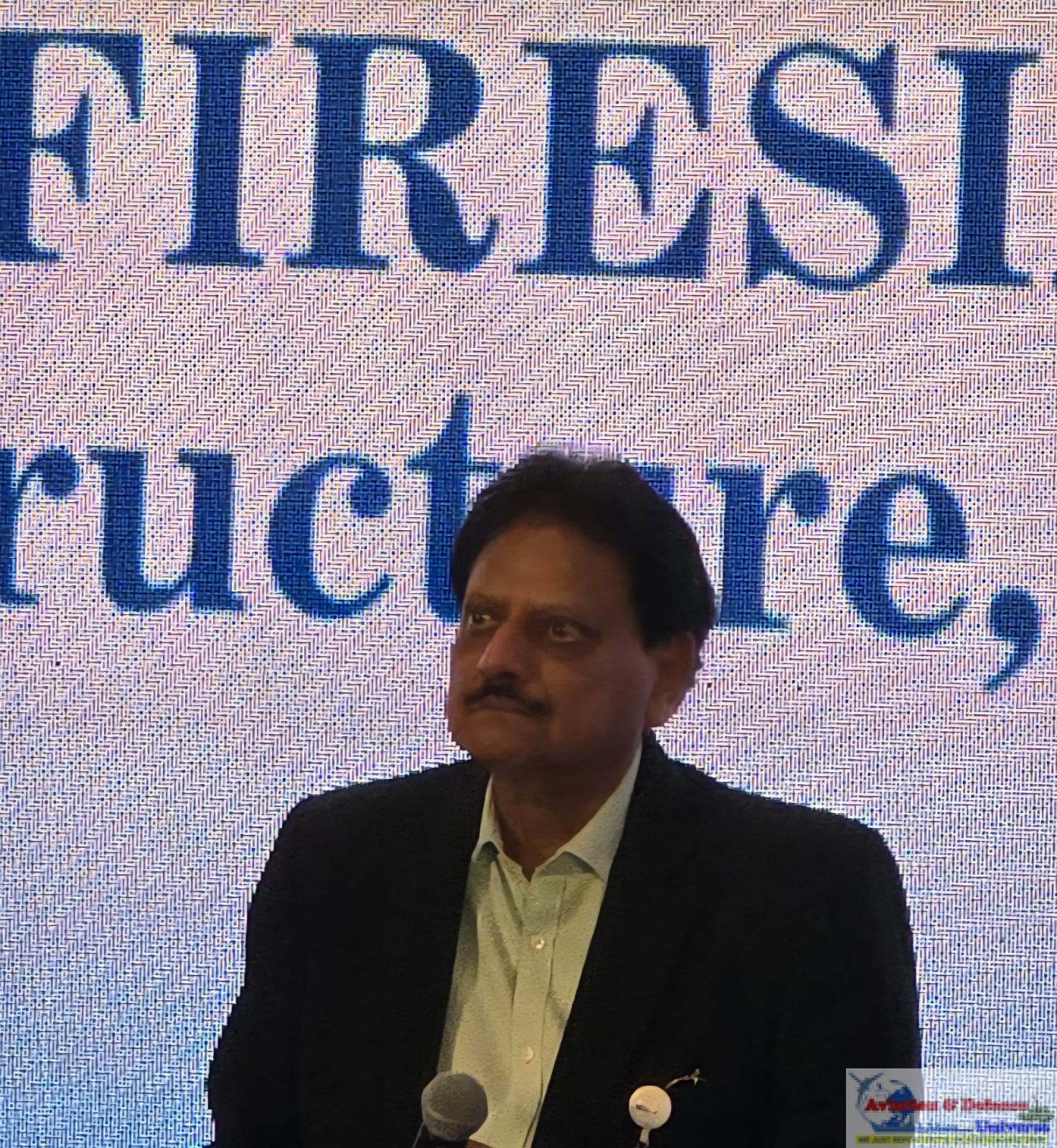 Another topic which brought into light was HEMS from vision to viability. Helicopter Emergency Medical Services and to us all medevac services, has become synonymous with helicopters in civilian roles. Srinivas Rao shared the journey of his organisation’s HEMS initiative, rooted in a deeply personal inspiration. Recounting how his founder witnessed a stabbing incident in the United States and saw how a rapid HEMS response saved a life, he said, “If it can be done there, why can’t we do it in India?”
Since 2018, the company launched three HEMS helicopters and conducted around 2,000 airlift missions, including transplant operations. Although earlier collaborations slowed due to external factors and COVID-19 disruptions, Rao said the company is restarting independently. “Our first helicopter will be coming towards the end of March and subsequently we will have enough machines to cover the whole country,” he stated, adding that verbal commitments have been received from over 50–60 hospital chains.
However, the revenue model remains under development. “We are working with the hospitals themselves, we are working with government bodies, we are working with insurance companies,” he explained, noting that funding mechanisms are still being crystallised.
 Leasing and finance play a decisive role in helicopter procurement, particularly in markets like India where upfront capital costs, high import duties and limited access to structured aviation lending can slow fleet expansion. Unlike fixed-wing commercial aviation, the helicopter sector often operates with smaller balance sheets and project-based revenue streams—tourism, offshore, HEMS or charter—making traditional bank financing more cautious and asset-backed lending more complex. Operating leases, sale-and-leaseback models and emerging domestic leasing platforms such as GIFT City structures are gradually creating alternatives to outright purchase, helping operators conserve capital and improve cash flow. However, residual value assessment, maintenance reserve structures, currency risk and clarity on end-use taxation remain critical concerns for lessors. For sustainable growth, the ecosystem requires deeper collaboration between OEMs, lessors, insurers and regulators to design financing products tailored to Indian operating realities, ensuring that capital access keeps pace with the rising demand for helicopters in connectivity, disaster response and business aviation.
Industry veteran Harsh Vardhan (from the audience) pointed out that the absence of widespread insurance coverage remains a critical hurdle. “We don’t have an ordinary citizen having an insurance coverage… That’s why this model is really facing challenges,” he said. He also emphasised the need for viable state government contracts that offer operational guarantees rather than short-term arrangements.
Insurance remains one of the most complex and under-addressed challenges in helicopter services in India, affecting both owners and end users. For operators and owners, premiums are significantly higher than in fixed-wing aviation due to perceived operational risks, terrain exposure, weather sensitivity and accident history in certain segments such as pilgrimage routes and remote operations. Limited domestic underwriting expertise in rotorcraft risk further constrains competitive pricing, often forcing reliance on international reinsurers, which increases cost volatility. For travellers, particularly in HEMS and tourism operations, the absence of widespread personal insurance coverage creates a structural gap in the business model. In medical evacuation missions, questions persist over who bears the cost — the patient, the hospital, the insurer or the state — and many standard health insurance policies do not automatically cover air evacuation. Without integrated insurance frameworks that cover helicopter rescue, passenger liability and third-party risk in a predictable and affordable manner, scaling helicopter services in tourism, emergency response and remote connectivity remains financially fragile and operationally uncertain.
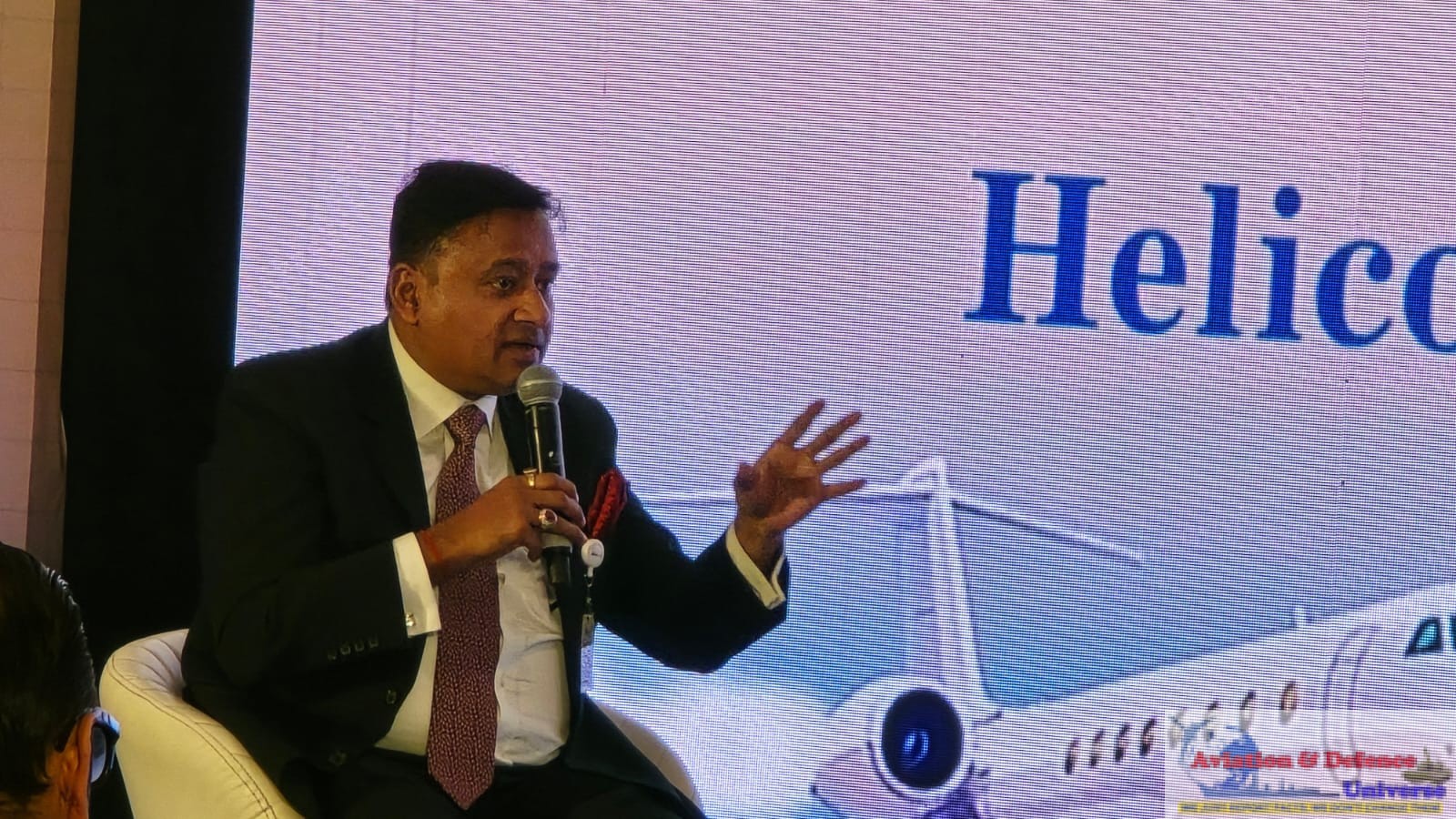 Rohit Mathur highlighted a previously discussed model where helicopter rescue operations on highways could be funded by adding ₹1–2 to toll charges. “There was a study which said that if 1 rupee is added in toll across the country, it is sufficient to fund helicopter rescue operations across the country,” he said, suggesting pilot projects on select highways across North, South, East and West.The larger issue, Mathur stressed, is demand diversification. “Today, most of the helicopter business is concentrated in 100% offshore,” he said, questioning where the projected growth—from 20 helicopters per year to 40, 50 or even 100—would be absorbed. He urged operators to explore underserved regions such as the Northeast.
Captain GMS Bidra echoed this sentiment, calling for expansion into the seven Northeastern states and hilly regions. “If incentives are given, the companies would deploy over there. Because their finances also matter,” he noted.
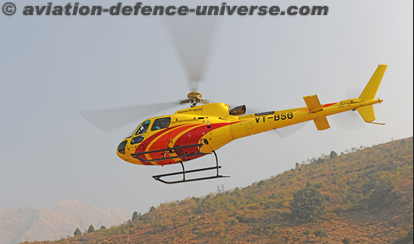 Helicopter tourism, medevac and remote connectivity in India face a tight mix of operational, infrastructure and commercial constraints that often matter more than demand. In high-altitude and far-flung regions, weather volatility, terrain-induced wind effects, whiteout/dust-bowl conditions, and limited alternates compress safety margins and demand highly current crews, robust SOP adherence and reliable performance planning. Infrastructure remains uneven—too few certified helipads, inadequate lighting and approach aids, limited refuelling points, weak ground handling support, and poor last-mile integration (especially hospital access and patient transfer corridors) all increase turnaround times and risk. On the economics side, high acquisition and operating costs, limited access to financing, seasonal demand cycles, and a still-maturing insurance and reimbursement ecosystem make medevac and HEMS hard to sustain without longer-term government contracts or structured PPP models. Regulatory processes and local permissions can be fragmented, while airspace coordination and airport procedures often treat helicopters like fixed-wing operations, adding delays that directly undermine time-critical missions. The result is a sector with clear life-saving and productivity potential, but one that needs predictable funding models, stronger heli-infrastructure, and standardized operational frameworks to scale safely in India’s most challenging geographies.
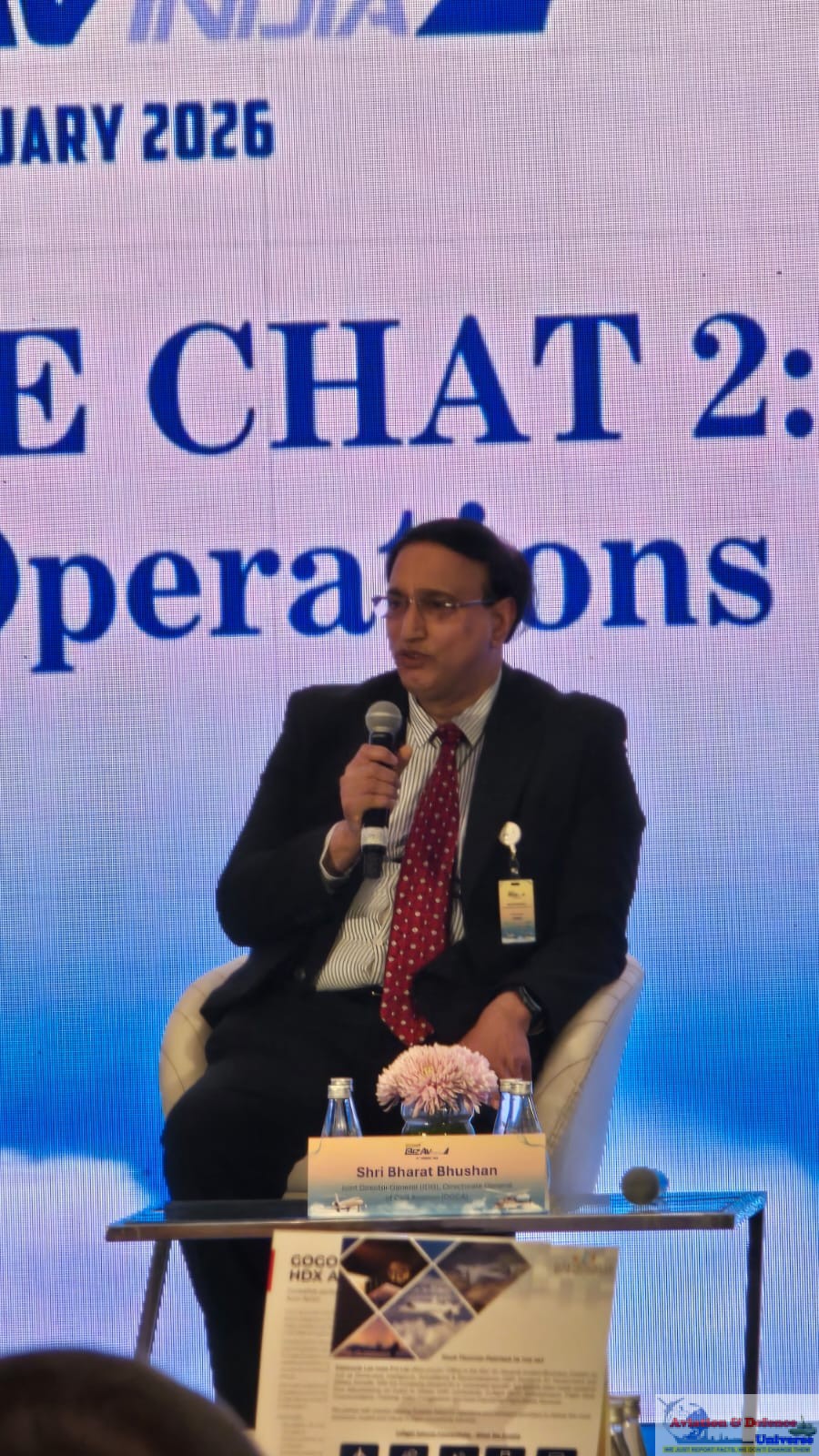 Bharat Bhushan, Joint Director General, DGCA, emphasised that helicopter operations are expanding with active government support. “Government has also taken initiative to develop the helicopter operations in all states,” he said, adding that DGCA is simplifying regulations and reviewing simulation requirements to remove impediments. On safety, he was unequivocal, “Safety is the prime concern. Otherwise if you are not adhering to that, it is going to take a loss for the organisation which is very, very hard to fill up.” He urged operators to strictly follow regulations and guidelines, reiterating that safety must underpin growth.
The session also addressed operational concerns at major airports, where helicopter movements are often treated like fixed-wing operations, leading to delays and inefficiencies. Participants suggested that ATC procedures and ground handling norms must evolve to recognise the unique operational profile of helicopters.The discussion also highlighted the shortage of hospital helipads and dedicated heli-infrastructure. While some facilities exist, panelists acknowledged that expansion is essential as medical infrastructure grows nationwide.
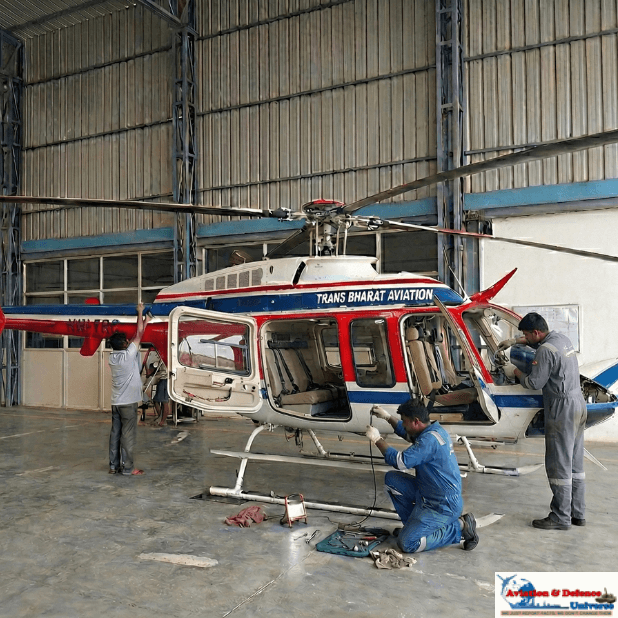 Another subject which needs to be into focus is helicopter MRO facilities in India which are gradually expanding, but the ecosystem is still evolving to meet the scale and complexity required for sustained fleet growth. Traditionally, many operators depended on overseas MRO centres for heavy maintenance, major inspections and component overhauls, leading to higher downtime and foreign exchange outflow. In recent years, however, policy reforms, rationalised GST on MRO services and increased OEM partnerships have encouraged the development of domestic capabilities, particularly in metro hubs and select regional bases. While line maintenance and routine checks are widely available, the industry still needs deeper capacity in engine overhauls, dynamic component repair, avionics upgrades and specialised support for newer-generation helicopters. A strong domestic helicopter MRO network is essential not just for cost efficiency, but also for operational readiness in sectors such as offshore, HEMS, tourism and defence support. As fleet numbers grow, investment in skilled manpower, tooling, spares logistics and OEM-certified facilities will determine whether India can transform from a maintenance-dependent market into a self-reliant helicopter services hub.
In closing, the session reinforced a central theme: helicopter growth in India will not be sustained by numbers alone. It will require financing innovation, insurance reform, regulatory facilitation, infrastructure development and uncompromising safety standards. As Bharat Bhushan stated, “This is the right time. We have to work together.” The message from Biz Av India was clear—India’s helicopter industry stands at an inflection point. The opportunity is visible, the demand is emerging, but structured collaboration between regulators, operators, OEMs, hospitals, insurers and state governments will determine whether rotary aviation becomes a transformative mobility solution or remains a niche segment within General Aviation.
 The session concluded with a clear understanding that India’s helicopter industry stands at an inflection point. Demand is growing, mindsets are shifting, and the role of helicopters as tools of productivity, connectivity and emergency response is widely acknowledged. However, scaling from incremental growth to transformative expansion will require coordinated action — simplified regulations, viable HEMS financing models, expanded helipad infrastructure, improved training ecosystems and unwavering commitment to safety. As industry leaders and regulators aligned on collaboration rather than confrontation, the message was unmistakable: helicopters are poised to play a far larger role in India’s aviation future, provided the ecosystem evolves with foresight, discipline and shared responsibility.