
















- From Classroom to Cosmos: Aims to Turn Curiosity into Careers in Space Science
- Landmark Step for Campus Space Learning
By Sangeeta Saxena
New Delhi. 03 February 2026. It was the launch of a club with a difference and scenes which indicated changes in the mindset of the youth. MERI – an institute affiliated to GGSIPU the state university of the national capital – saw students thronging to witness the launch of the space club with stars literally in the eyes. Space is no longer an unknown frontier reserved for scientists and astronauts. It is now an active, strategic domain that shapes communication, navigation, weather forecasting, disaster management, banking networks and national security. Satellites silently power everyday life, while major powers invest heavily in space-based capabilities for surveillance, deterrence and defence. What once belonged to the realm of science fiction—space conflicts, anti-satellite weapons and orbital threats—is today part of real geopolitical and security discourse. Nations are preparing not just to explore space, but to protect their assets in space, making the domain as critical as land, sea, air and cyber.
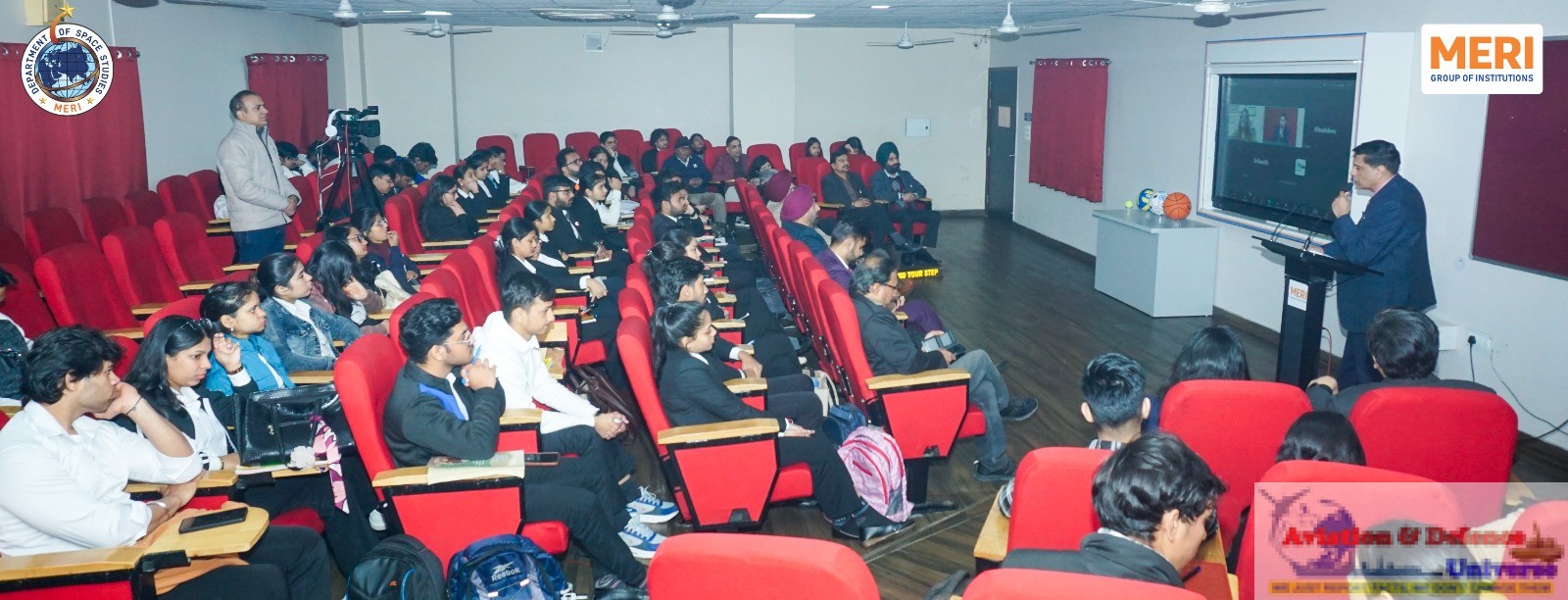
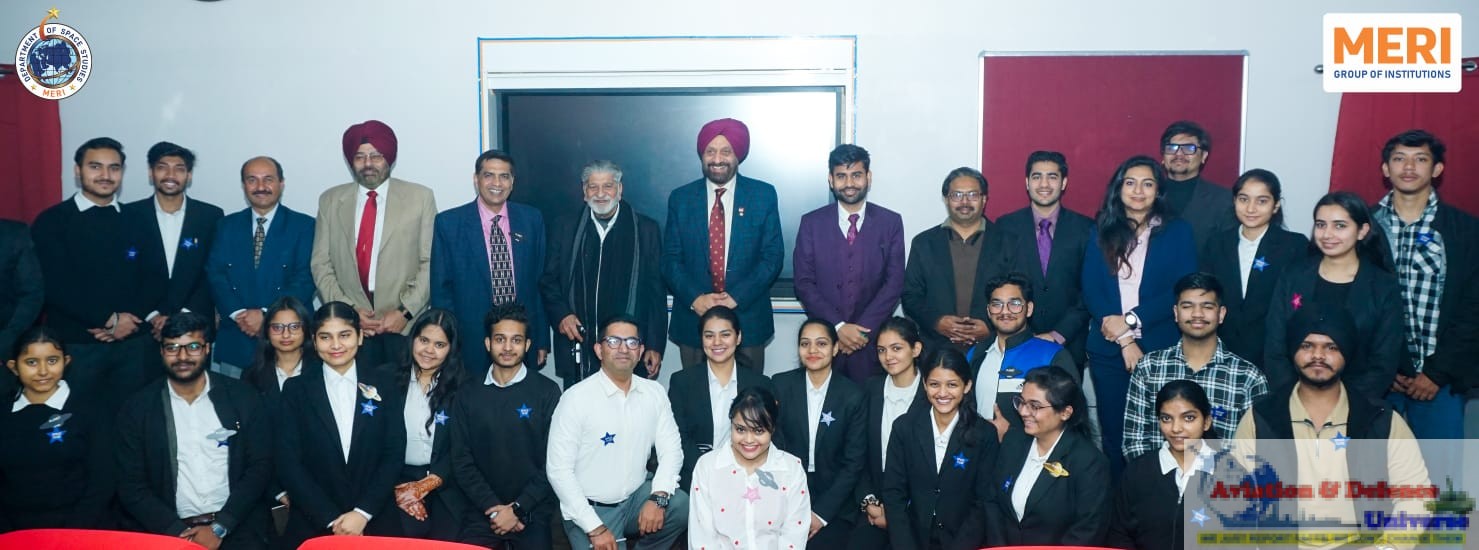
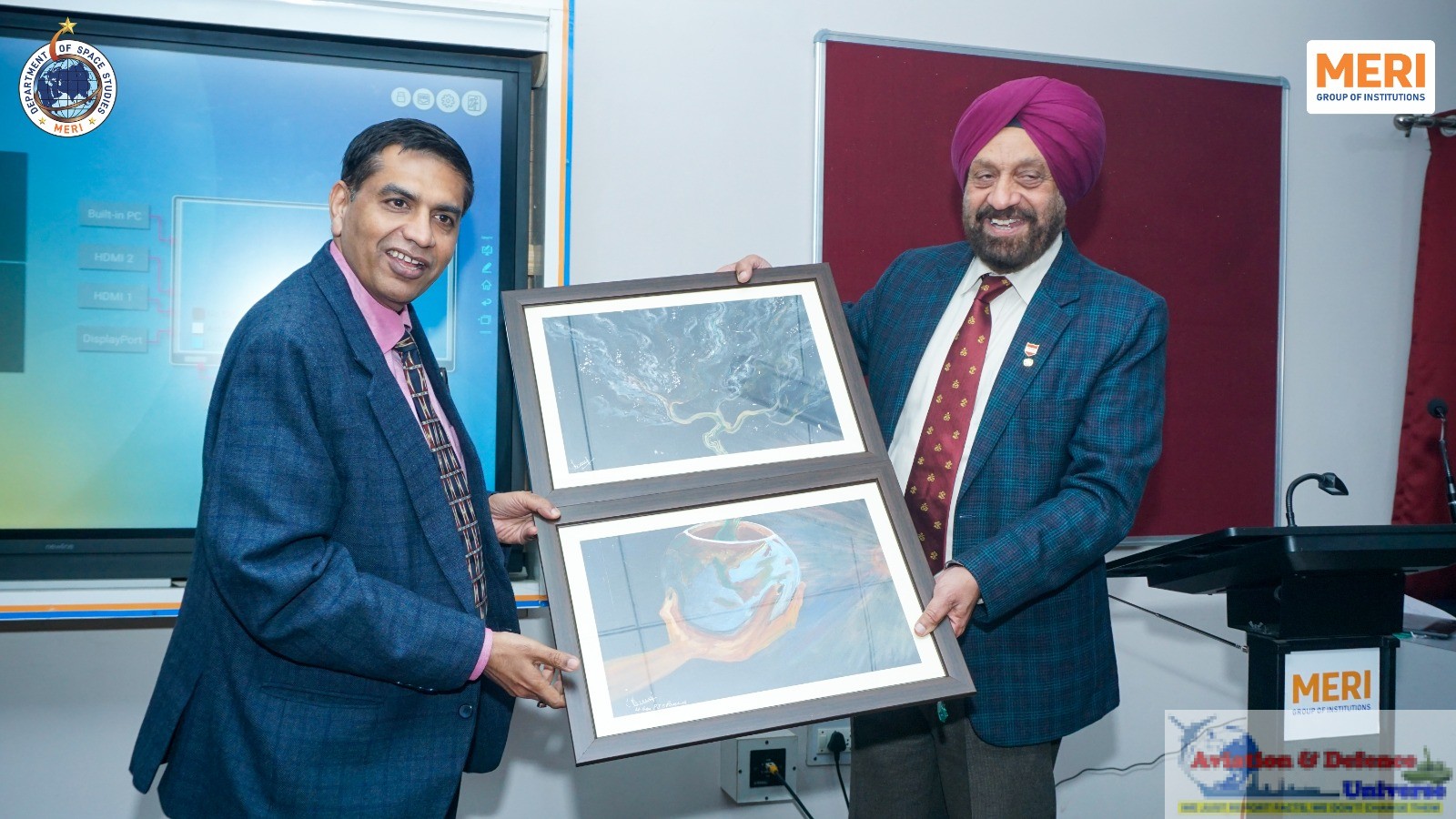 Today MERI Group of Institutions formally inaugurated the MERI Space Club under its Department of Space Studies, with 200 students joining as its founding members. The inaugural event brought together decorated defence veterans, academic leaders, and space education advocates, marking an important institutional move to make space science, astronomy, and aerospace innovation engaging, interdisciplinary, and accessible to college students.
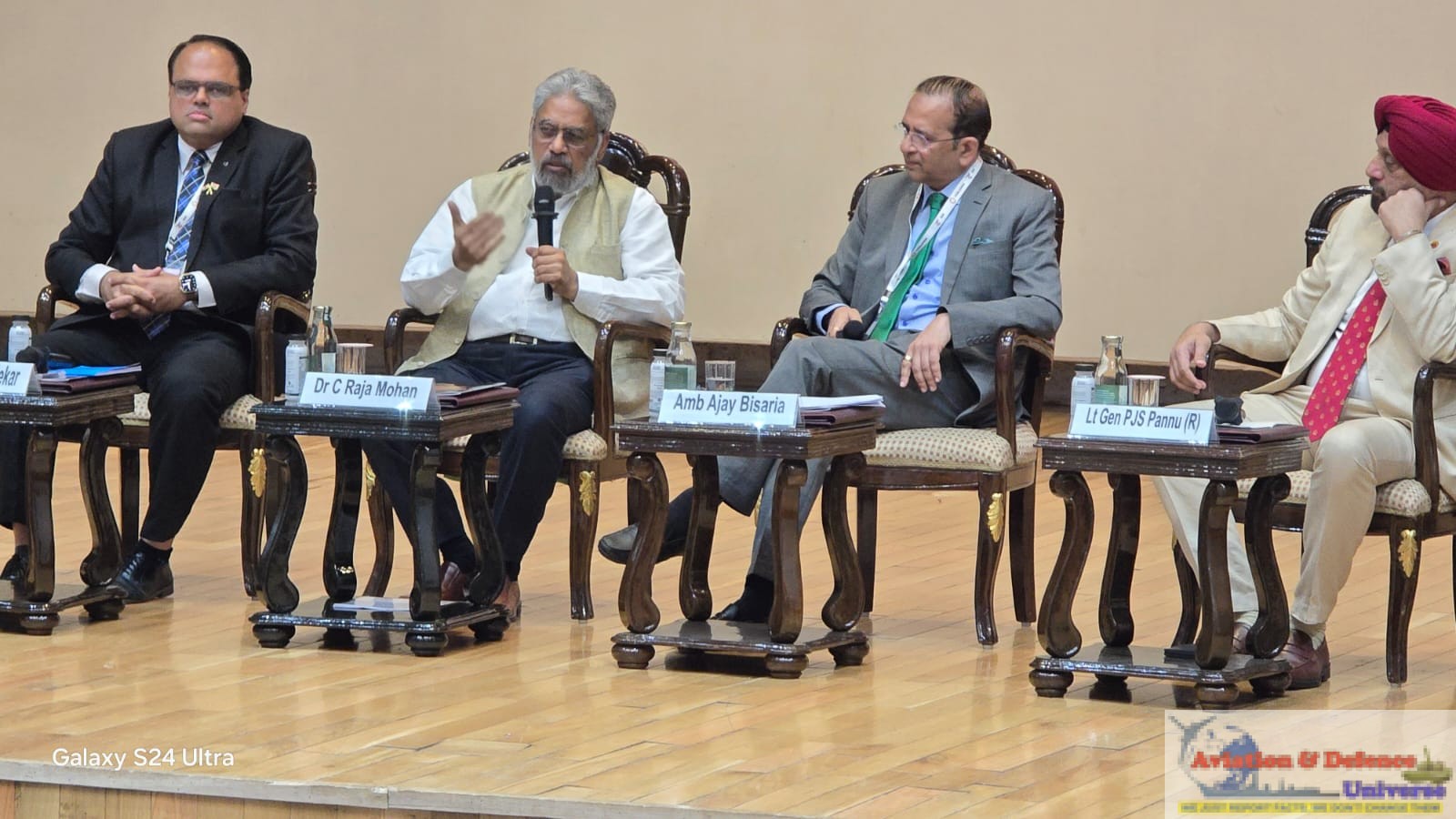
The programme was steered by Prof. Lalit Aggarwal, Vice-President, MERI, who welcomed Lt Gen (Dr) PJS Pannu (Retd), Chief Mentor of the Department of Space Studies, along with distinguished guests including Major Gen (Dr) Manjeet Singh Mokha (Retd), Air Commodore Himanshu Gopal (Retd), Dr. Srimathy Kesan, CEO of Space Kidz India and space innovator Shree Supranayi. Their interactions highlighted how timely exposure, strong mentorship, and a nurturing ecosystem can convert student curiosity into meaningful capability in the fast-evolving space sector.
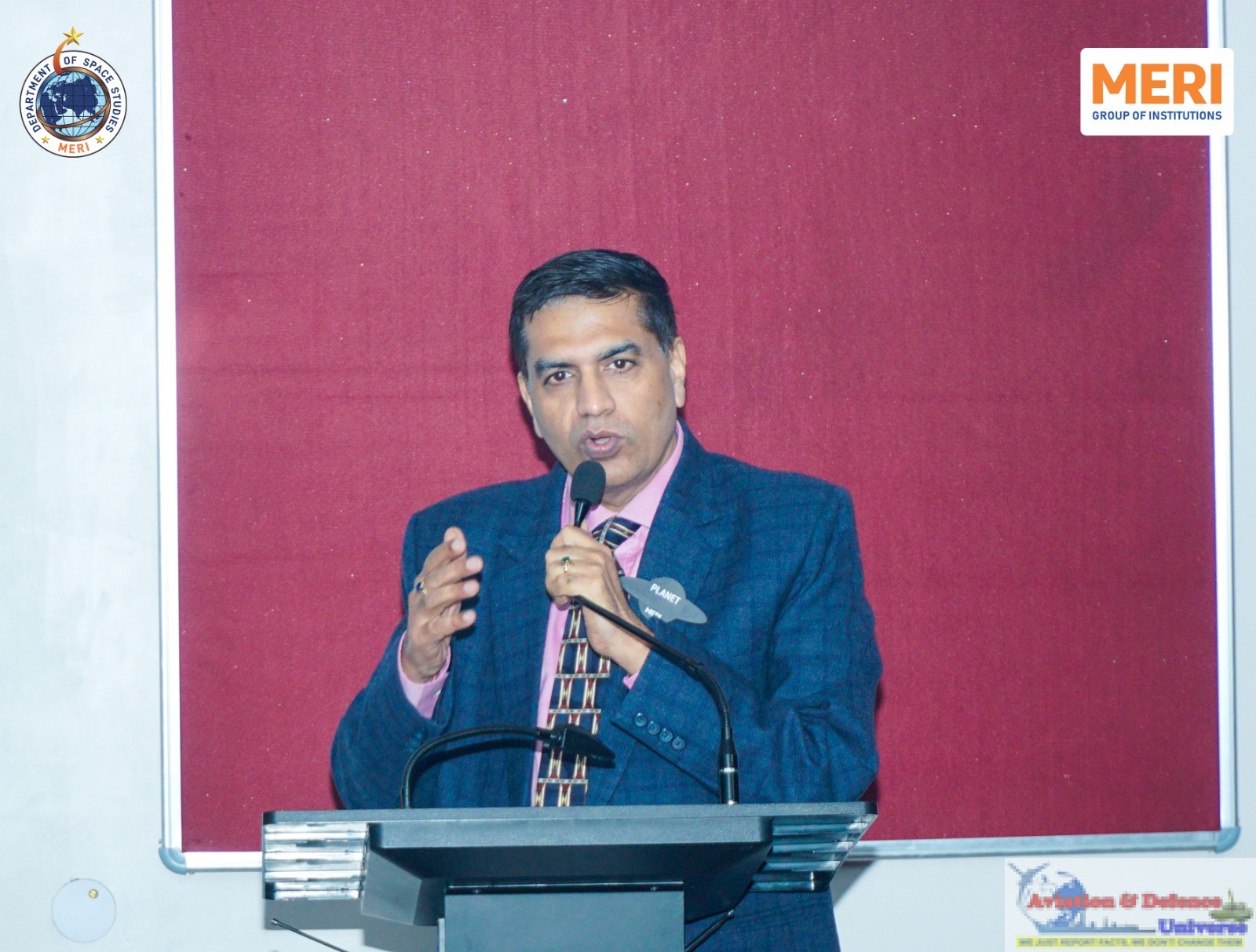 Prof. Lalit Aggarwal said, “The launch of the MERI Space Club is a truly futuristic initiative. The enthusiasm and active participation of students here today is inspiring. Such platforms are essential to shape young minds and contribute meaningfully to the scientific and technological progress of our nation.”
India’s rise as a spacefaring nation has made it imperative to seed scientific temper early. Clubs like MERI’s translate national achievements into personal aspiration, helping students see themselves as future contributors to exploration, research and space-enabled services.
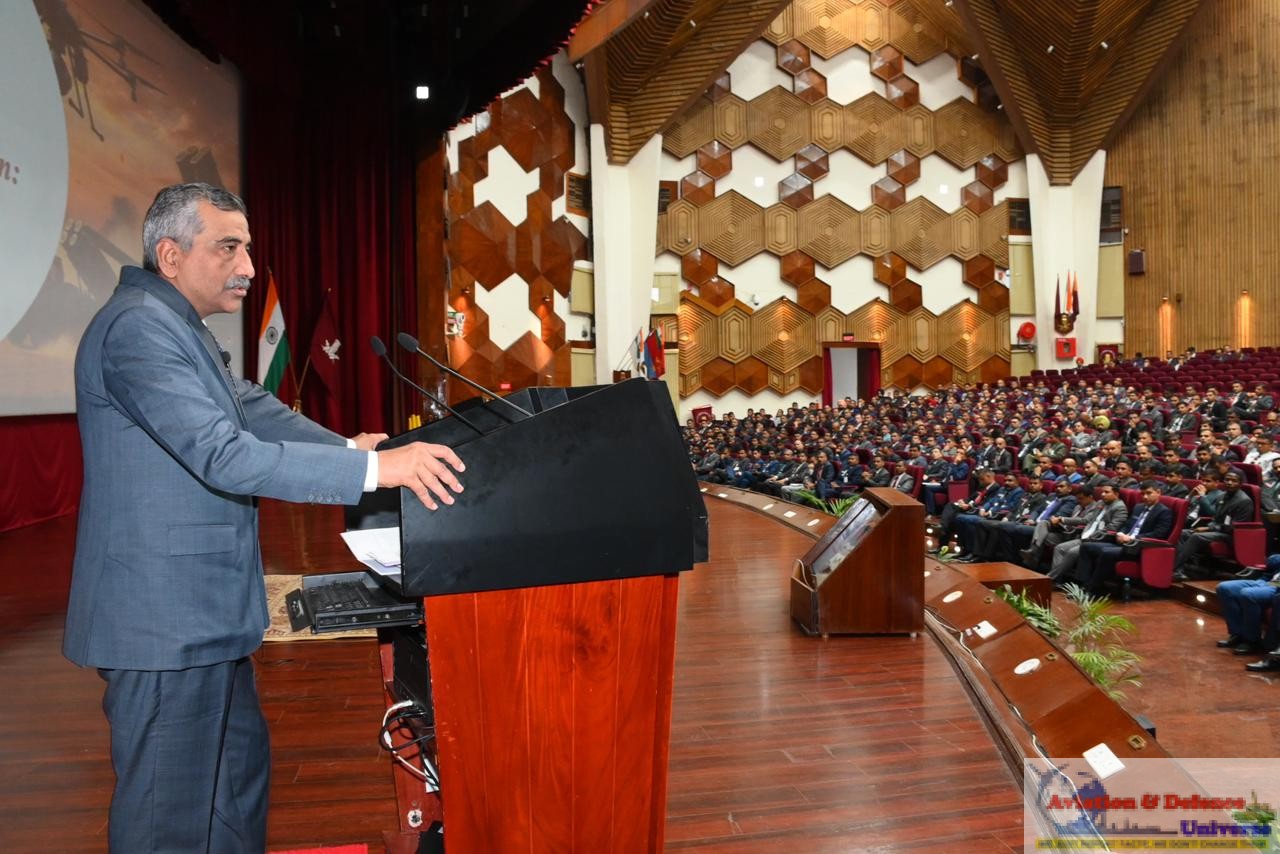
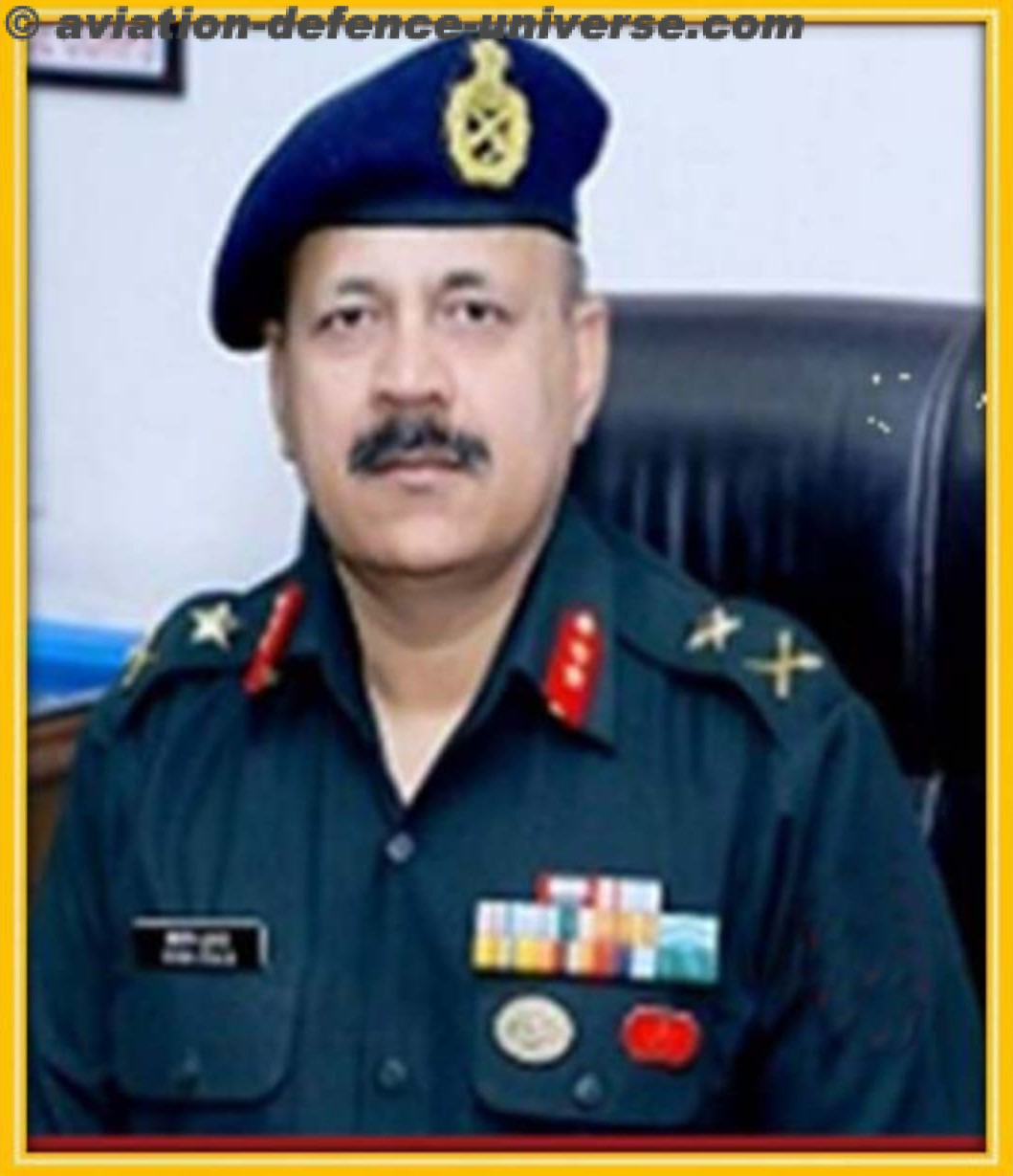
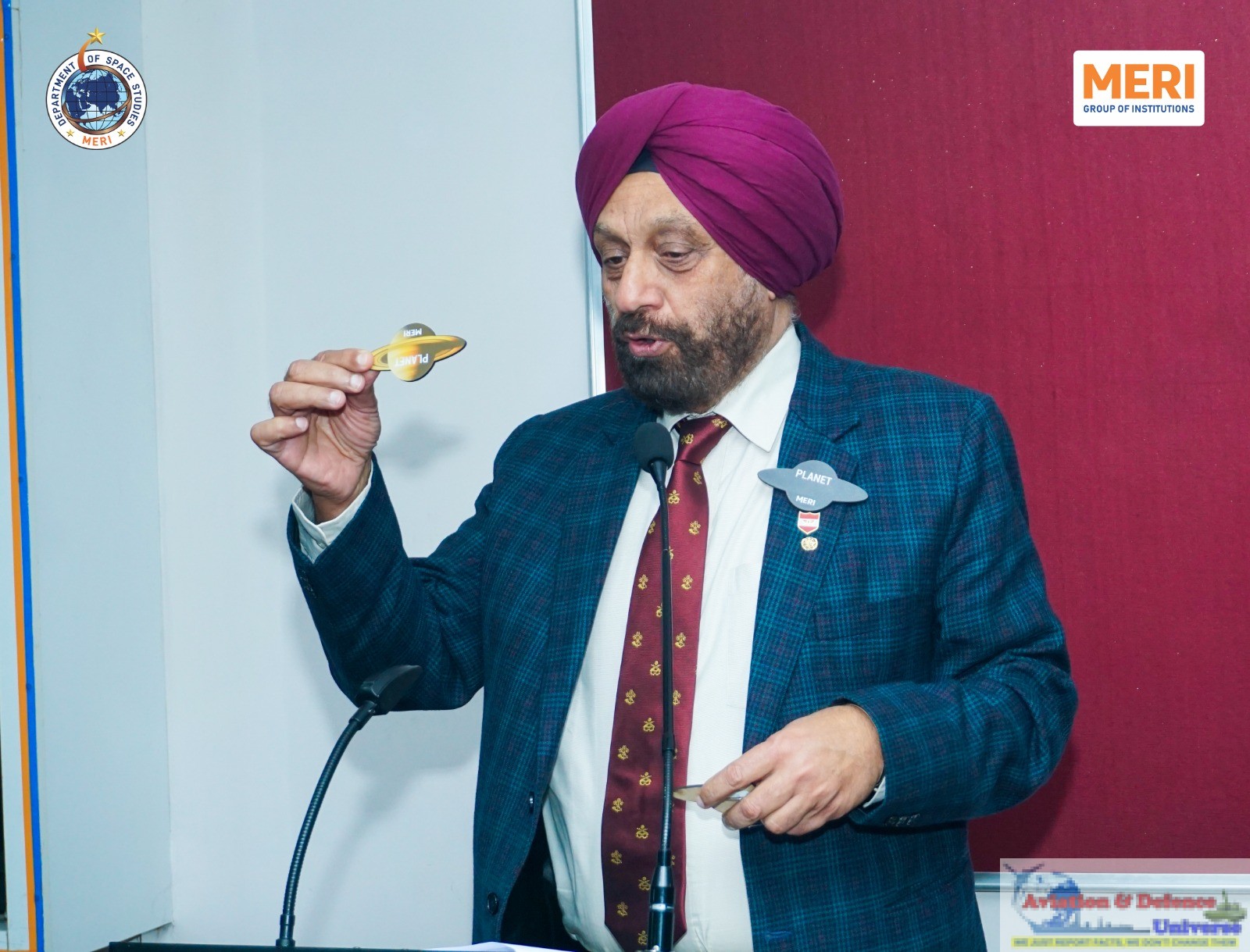 Lt Gen (Dr) PJS Pannu emphasised, “You have already taken your first step towards becoming space enthusiasts. With the right guidance, support, and a strong ecosystem like the MERI Space Club, your potential in space sciences will only grow stronger. When we understand the Moon, the stars, the planets and other celestial phenomena, curiosity naturally turns into passion. I congratulate MERI for pioneering what I believe is India’s first institutional space club.”
Cultivating fascination with the Moon, planets, satellites and rocketry is no longer a hobbyist pursuit—it is part of building a future workforce for aerospace, data science, materials, robotics and climate applications. When campuses normalize conversations about orbits and payloads, they nurture a culture where curiosity becomes career direction and national pride fuels scientific ambition.
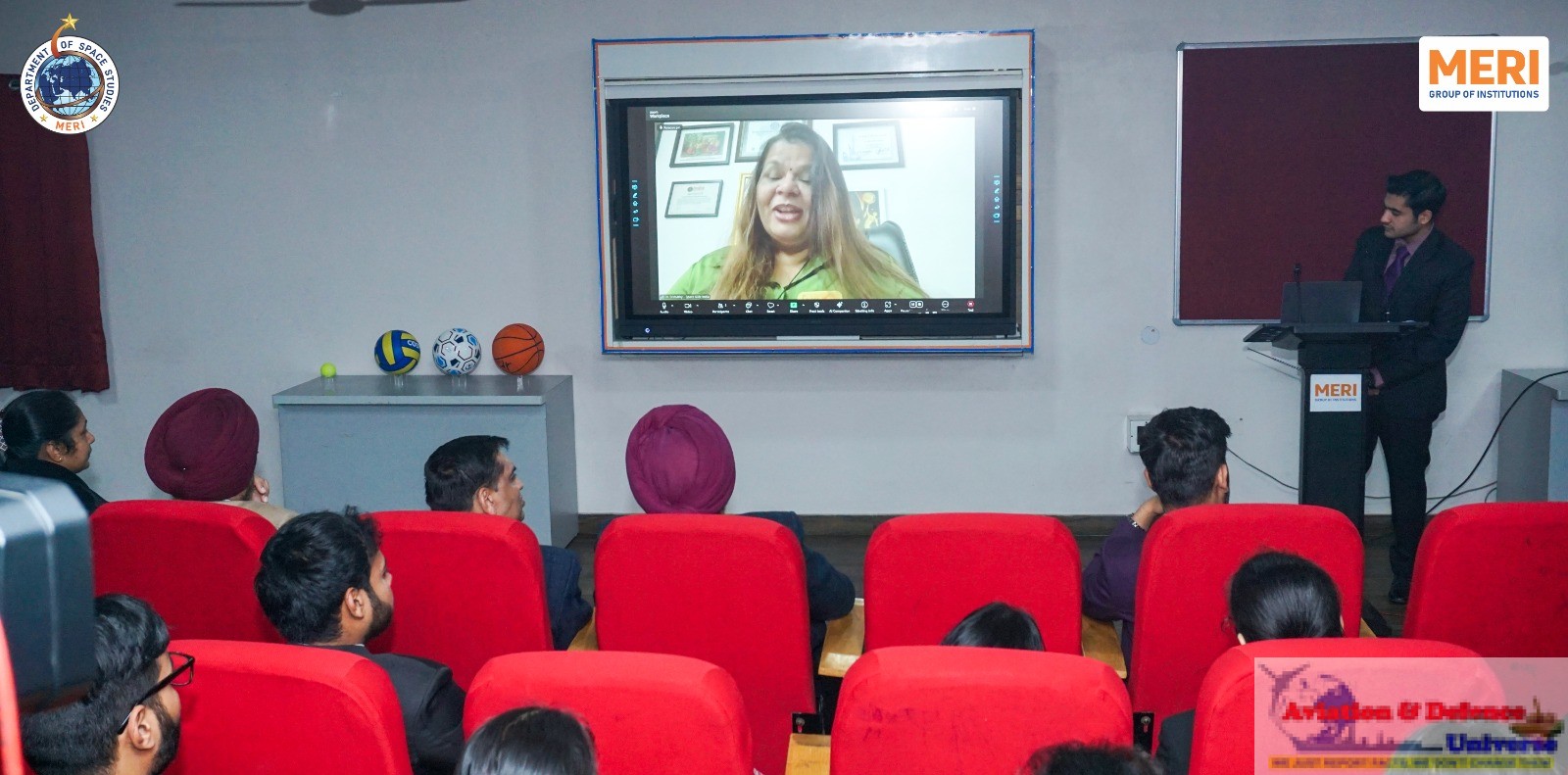 Dr. Srimathy Kesan reiterated , “Space must remain a collaborative and peaceful frontier that serves humanity, not conflict. India is playing a growing role in making space education accessible, especially for students and young girls, by bringing global exposure and hands-on satellite learning opportunities within the country. By \nurturing youthful talent, we can position India as a global leader in inclusive space innovation.”
Across India, educators, nonprofits, startups, and mentors are making space education tangible through workshops, model rocketry, satellite simulations, and interaction with scientists and veterans. Organizations such as Space Kidz India and many independent innovators are bridging the gap between textbooks and real missions, bringing global exposure and practical learning into classrooms. This widening ecosystem ensures that students from diverse backgrounds—engineering, sciences, arts, and commerce—can find entry points into the space narrative, reinforcing that the future of space innovation is interdisciplinary and inclusive.
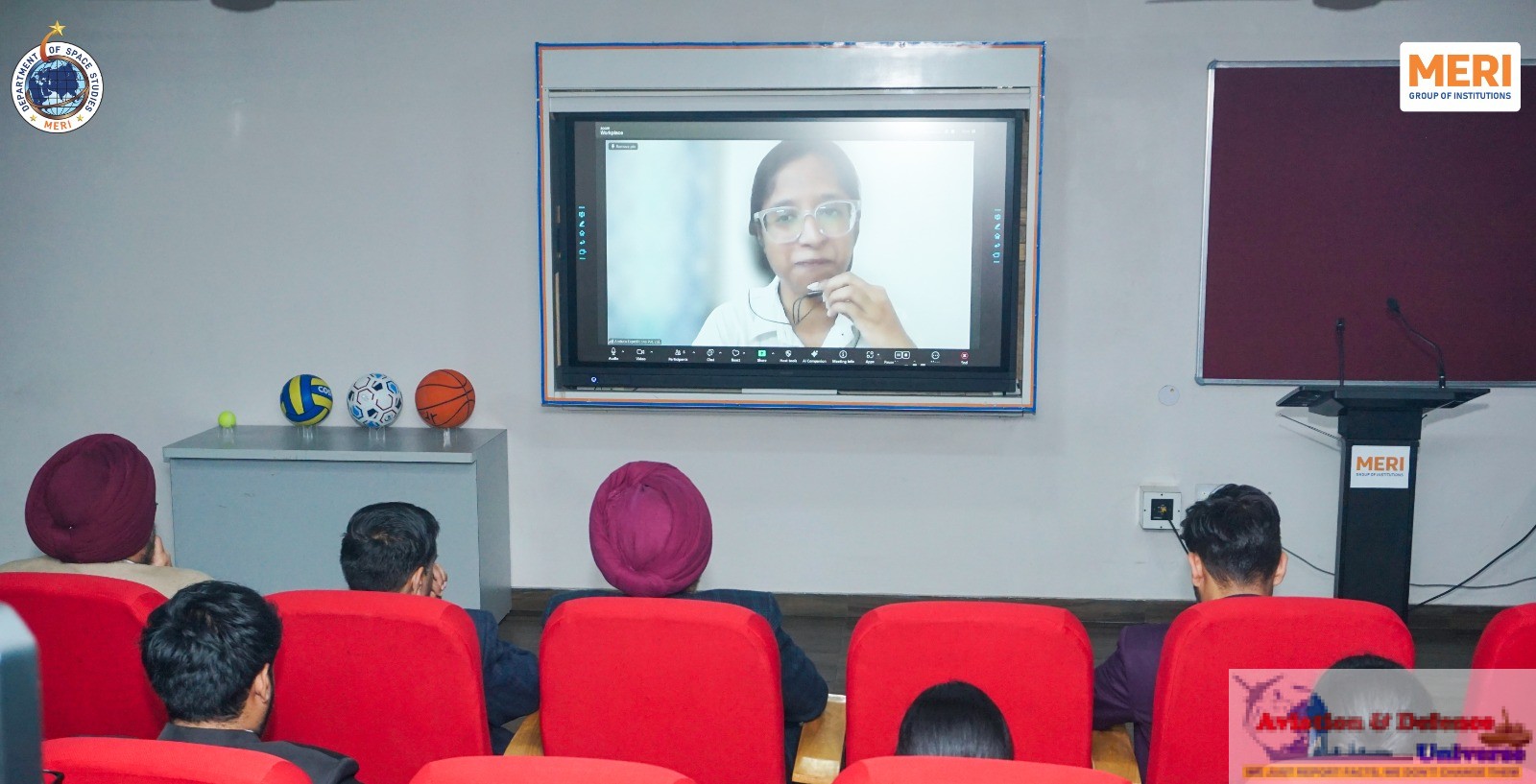 Shree Supranayi passionately stated, “Space is no longer a distant dream; it is an active domain shaping technology, research and everyday life. My journey from aspiring astronaut to space innovator has been about making space practical and reusable for humanity through advanced re-entry vehicles and space planes. Space is for everyone, not just engineers. Students from every discipline can connect their passion to the growing space ecosystem. The future of space innovation begins in classrooms and student-led initiatives, and you must act boldly.”
This evolving reality reiterated the urgent need to keep space safe, secure and governed by cooperation rather than confrontation. Space must remain a shared global commons where scientific progress, peaceful use and responsible behaviour prevail. Preventing debris, avoiding weaponisation, promoting transparency and strengthening international norms are essential to ensure that orbital pathways remain usable for future generations. Safeguarding space is not only about protecting satellites—it is about protecting the services, economies and lives on Earth that now depend on them.
With the launch of the MERI Space Club and the immediate enrolment of 200 students, MERI has created a vibrant platform that blends mentorship, curiosity and institutional commitment to space education. By connecting young learners with experienced leaders and practitioners, the initiative positions campuses as incubators for the next generation of space thinkers and doers—aligning academic enthusiasm with India’s expanding role in the global space landscape.