



















- Biz Av India Inaugural Session Calls for Regulatory Clarity, Collaboration and Long-Term GA Growth
- General Aviation Takes Centre Stage at Biz Av India 2026 on Wings India Sidelines
- Policy, Partnerships and Platforms: Biz Av India 2026 Charts the Future of GA in India
By Sangeeta Saxena
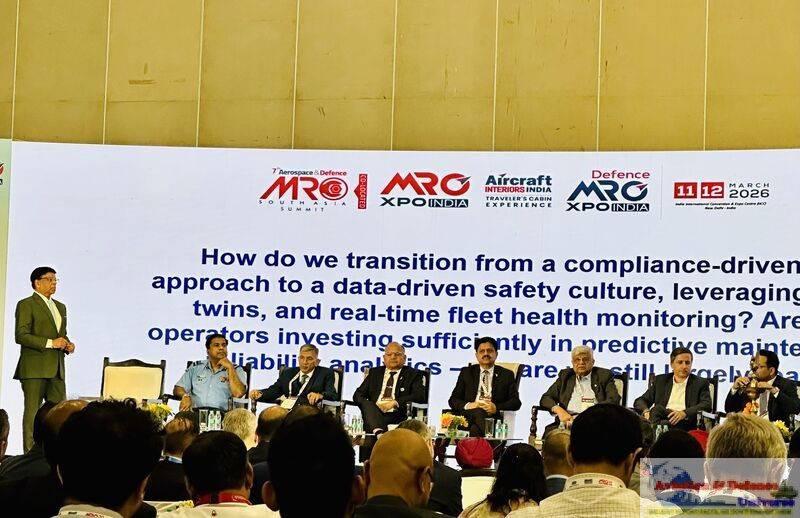
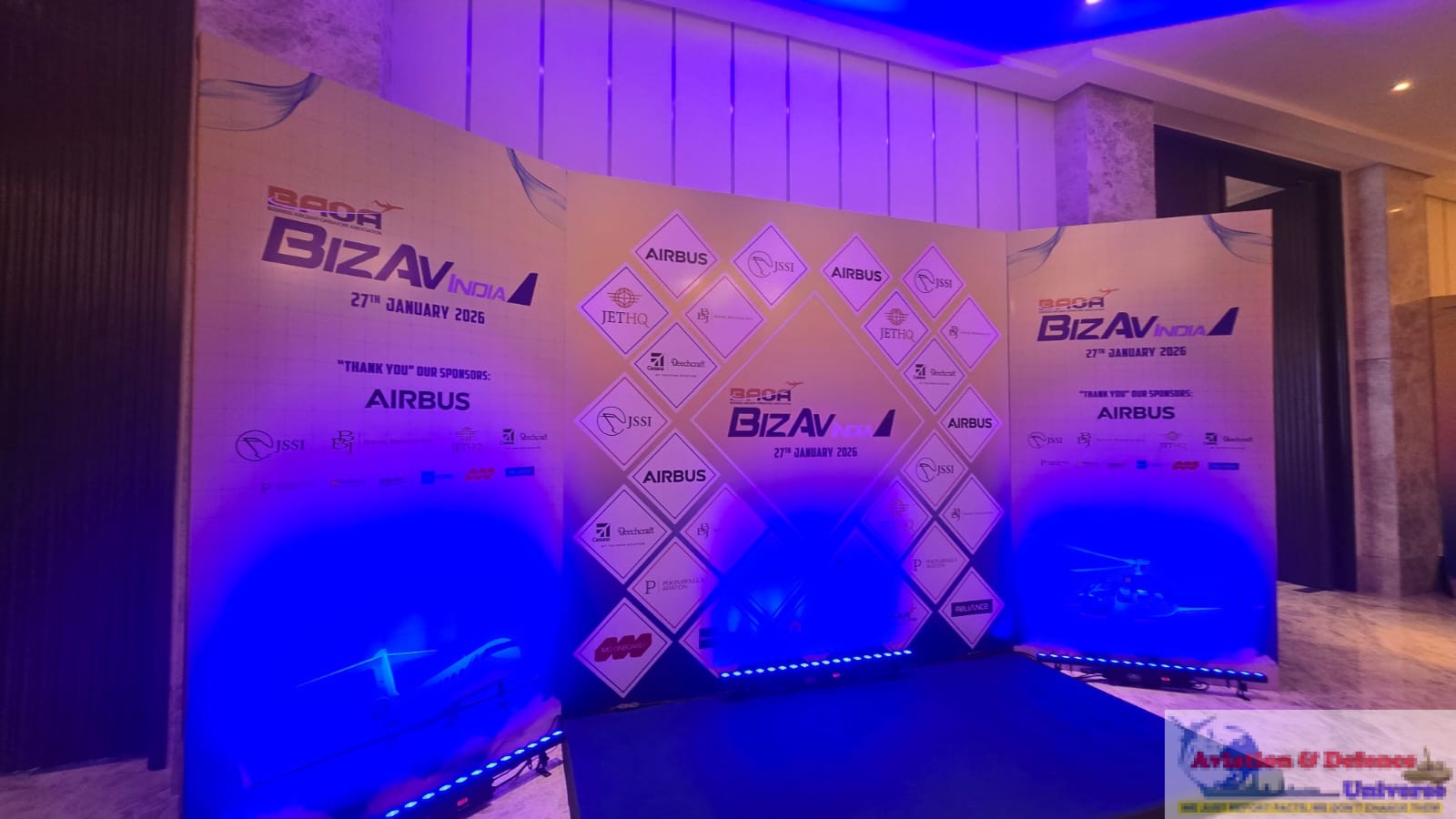
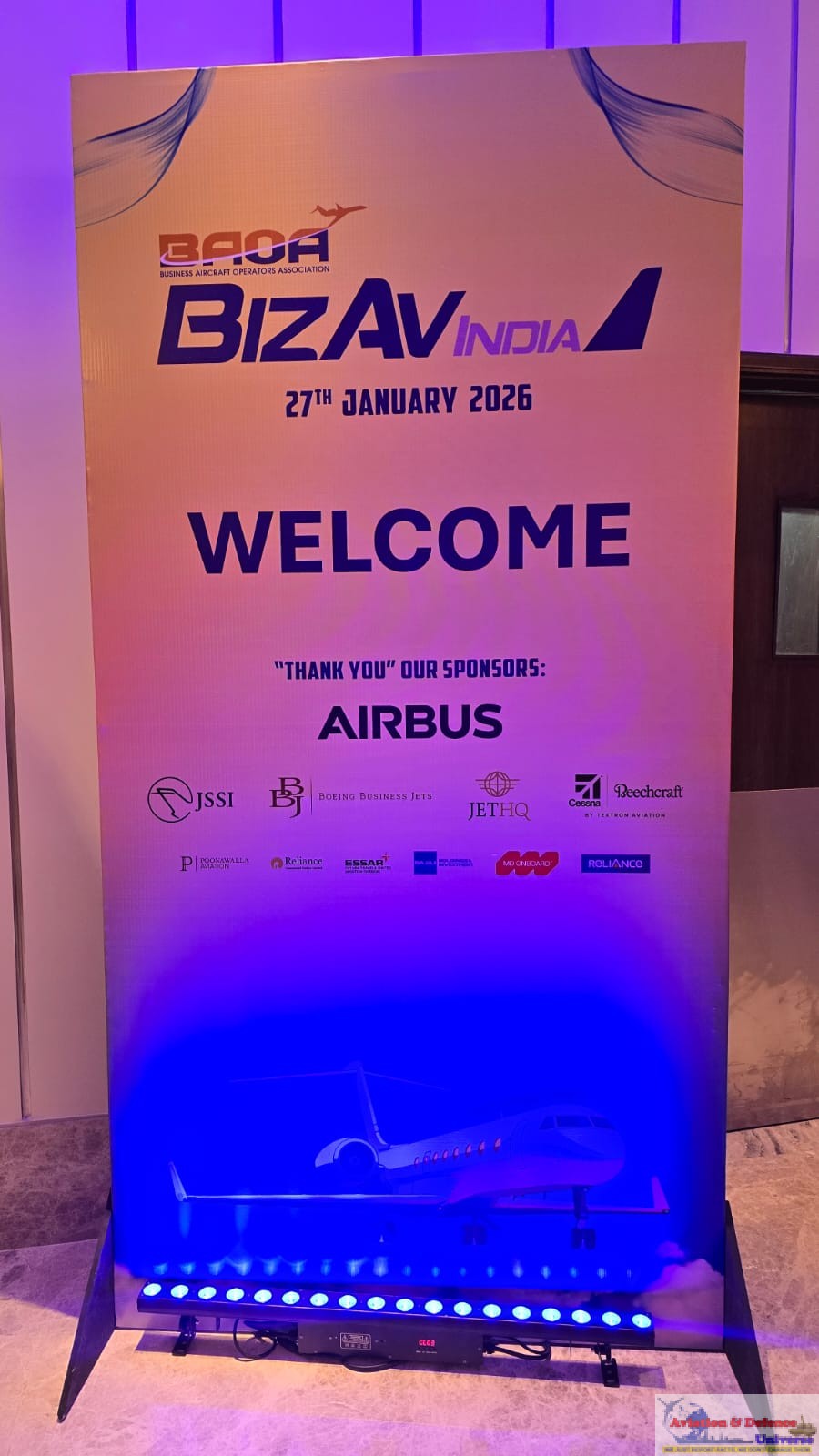 Hyderabad. 27 January 2026. General Aviation at an inflection point in India. It is gradually moving out of the margins and into the policy and industry mainstream. Once viewed narrowly through the lens of aircraft ownership and operations, the sector is now being recognised as a critical enabler of time-sensitive connectivity, emergency response, skill development, high-value manufacturing and economic productivity. The inaugural session of Biz Av India, held in Hyderabad on the sidelines of Wings India 2026, reflected this shift. Organised by the Business Aircraft Operators Association (BAOA), the session brought together government officials, regulators, global industry leaders and OEMs to deliberate on how business and general aviation can evolve through regulatory clarity, infrastructure, financing, safety oversight and collaborative policy design.
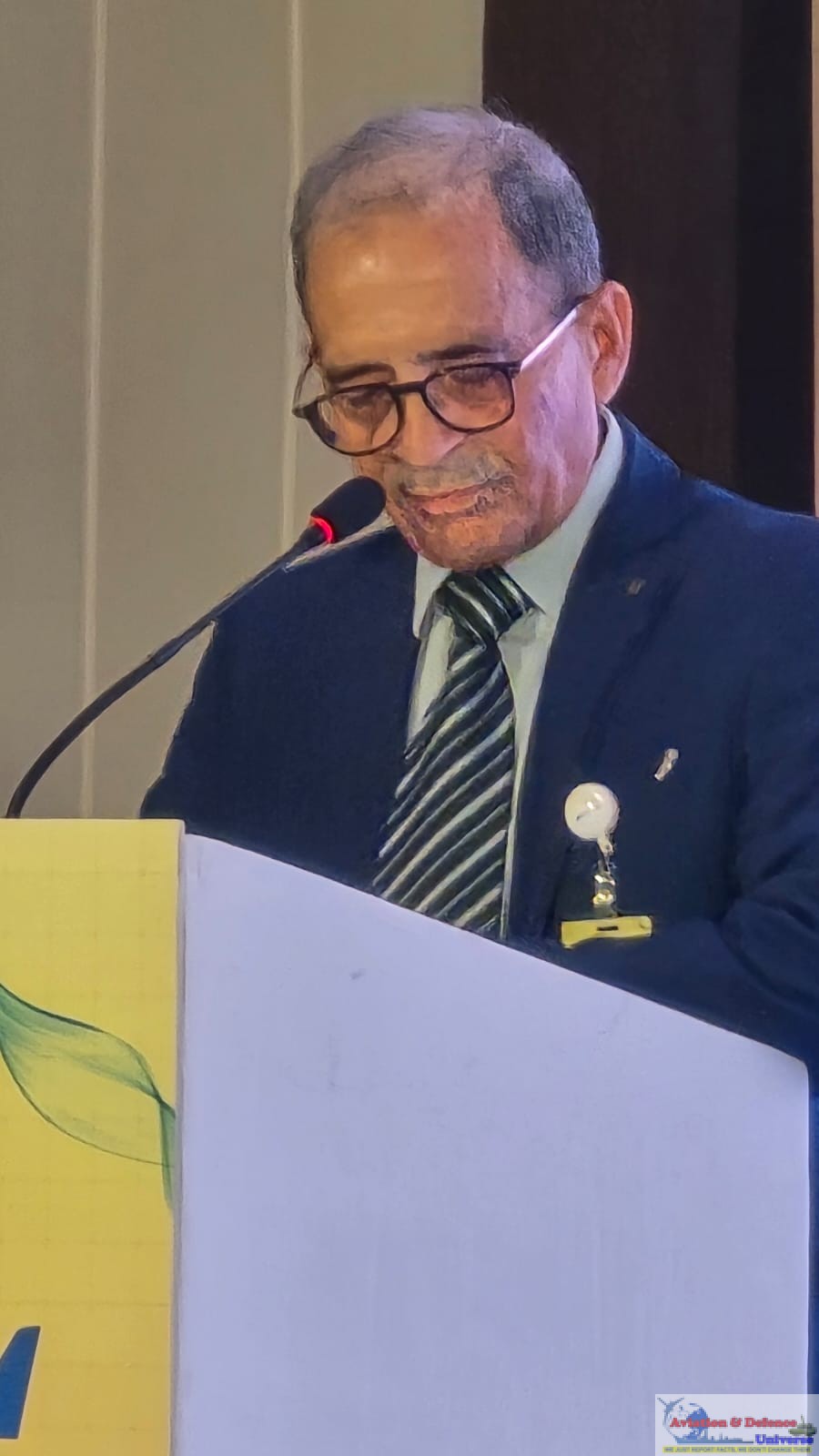 Opening the session, Group Captain R.K. Bali (Retd.), Managing Director of the BAOA underlined that business and general aviation today is “evolving beyond aircraft operations alone” and is increasingly dependent on “regularity, clarity, financing and leasing structures, airport and heliport infrastructure, manpower, safety oversight and predictable processes,” adding that “these elements must be deliberately designed around these fundamentals.”
Appreciating BAOA Chairman Harsh Vardhan Sharma , Gp Capt. Bali remarked, “This leadership style is not loud, but is deeply impactful,” noting that over the years he has provided “steady guidance, quiet encouragement and a clear strategic compass, allowing the association to grow in credibility, relevance and constructive engagement with policy makers and stakeholders.”
Sharma emphasised that BAOA has consistently believed that “business and general aviation in India must be built not just on ambition, but on collaboration, compliance and long-term institutional strength.” The association, it was noted, has strengthened dialogue with the Ministry of Civil Aviation, DGCA, airports and international partners, while remaining grounded in operational realities.He highlighted that Biz Av India reflects a “shared recognition that business and general aviation is no longer a peripheral sector, but a strategic enabler of India’s economic growth, connectivity and global integration.” It was noted that Biz Av India was conceived “to create a credible, collaborative platform where government, regulators, operators, OEMs, financiers, airports and international institutions can engage constructively, not as silos, but as partners in nation building.”
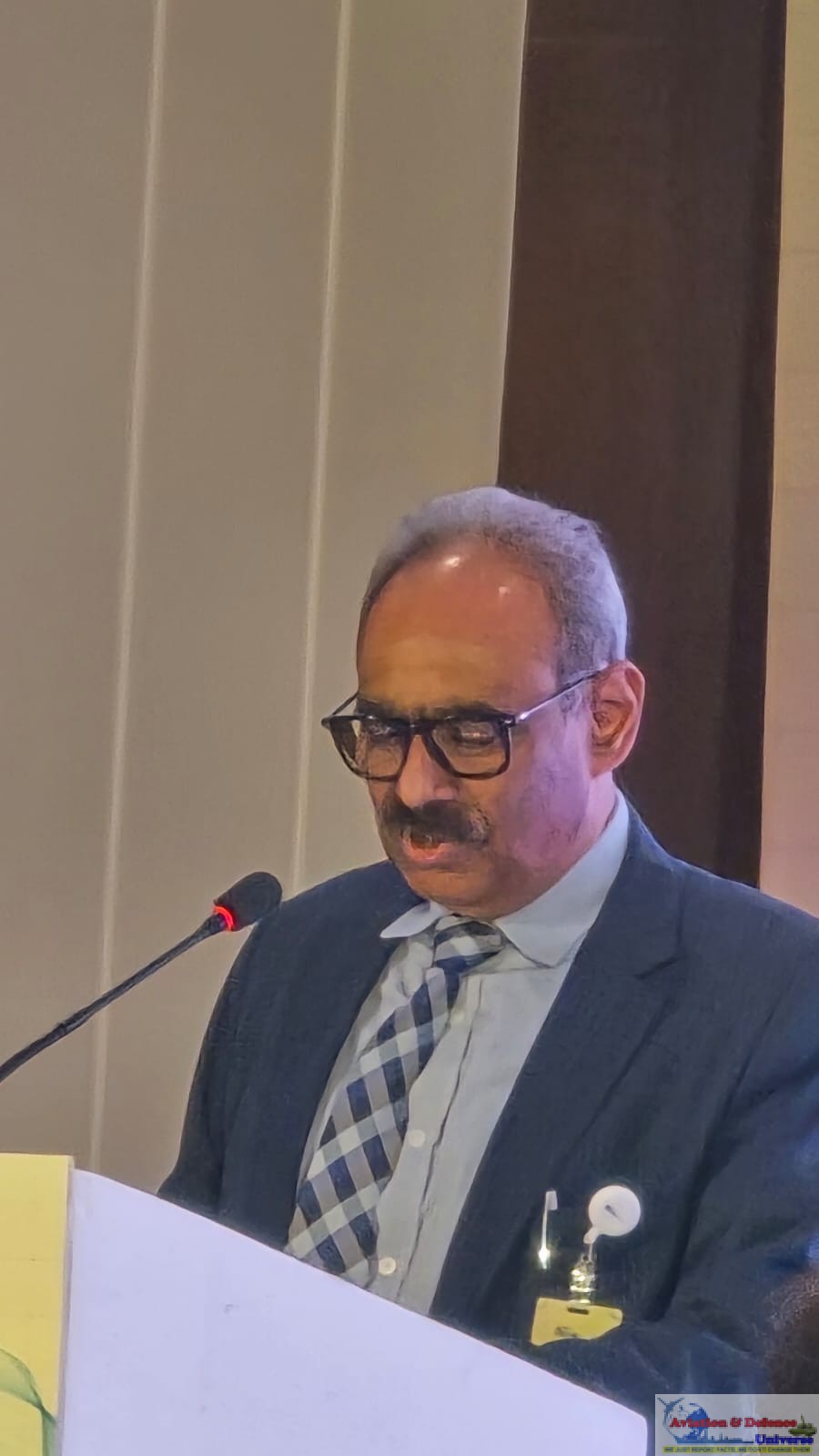 BAOA outlined how it has repositioned itself from being “only a represntative body to being an active ecosystem partner,” working closely with the Ministry, DGCA, AAI, Airports Authority stakeholders and others through “structured dialogue, detailed technical submissions and continuous follow-up.” The issues addressed include “regulatory clarity, cost rationalisation, operational inflexibility, safety oversight and long-term infrastructure planning.”
International engagement was described as equally critical. The presence of global associations, OEMs and subject-matter experts was “not symbolic,” but reflective of “India’s growing relevance in the global business aviation landscape and our collective intent to adopt international best practices while respecting India’s unique operating environment.”
Addressing perceptions, the speaker stressed, “Business general aviation is not about luxury or exclusivity. It is about time-critical connectivity, access to remote regions, disaster response, medical evacuation, skill development, high-value manufacturing and enabling Indian enterprises to compete globally.”
As India progresses towards Viksit Bharat, it was argued that aviation policy must shift “from being control-centric to outcome-oriented,” focusing on “efficiency, safety investment and innovation.” Discussions on fractional ownership, aircraft management models, airport charges, infrastructure, state taxes and regulatory reforms were described as “practical tools to unlock capacity, reduce costs and make aviation more accessible and economically viable.”
Reaffirming BAOA’s stance, the Harsha Vardhan said, “Safety, transparency and compliance must remain the foundation of growth,” while placing on record appreciation for “the openness and engagement shown by the Ministry and the regulators over the past year.” He added, “Dialogue does not always mean instant agreement, but it does build trust and trust is essential for sustainable reform.”
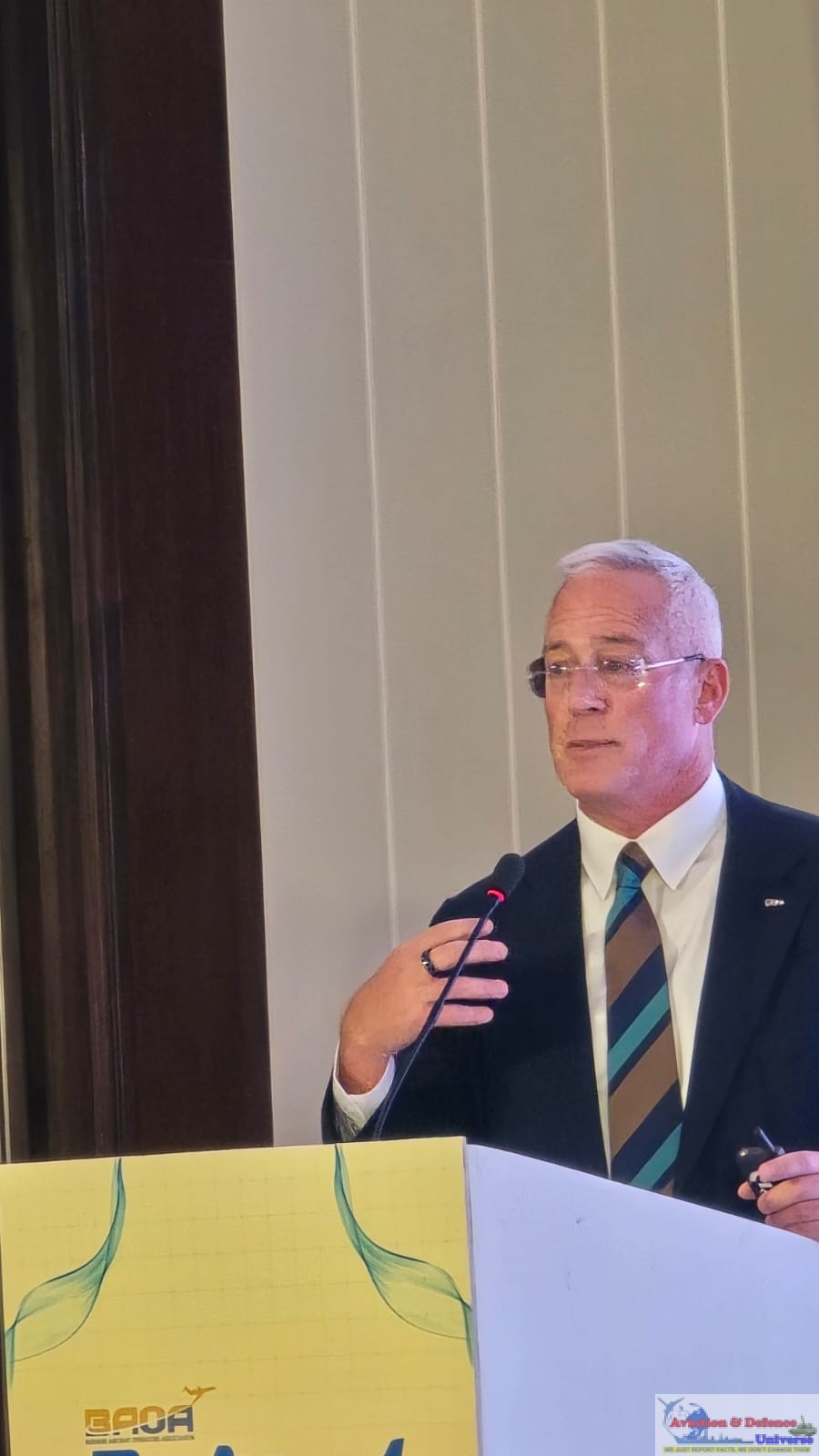 Introducing the first keynote speaker, the session chair described Kurt Edwards, Director General of the International Business Aviation Council (IBAC), as “one of the most respected global voices in business aviation,” highlighting his role representing 14 business aviation associations worldwide and his active engagement at ICAO.
Taking the stage, Edwards said, “I would like to give you more of a global perspective about business aviation and setting business aviation here in India in the context of the bigger world view.” He explained that IBAC, as a non-profit association and an ICAO-designated observer, represents business aviation operators globally, ensuring that ICAO standards and recommended practices are “proportionate and appropriate for our industry,” noting, “not everyone operating internationally is an airline, and we have different needs.”
He highlighted business aviation’s contribution to underserved regions, training and economic impact, stating that “these operations go where airlines just won’t.” Referring to the recent ICAO Assembly, Edwards called it “a resounding success,” noting strong Indian participation and favourable outcomes on issues such as frequency interference, ADS-B data collection and sustainable aviation fuel.
On India’s potential, he observed, “If you look at the population numbers and GDP, India has an amazing potential to grow this industry and for our industry to contribute to Indian success,” adding that IBAC is working with Indian partners to help put in place “an appropriate regulatory framework with national ownership and national management.”
The next keynote address came from Sunny Guglani, Head of Airbus Helicopters in India and South Asia who opened by stating, “Aviation, including business aviation, is the heartbeat of our country,” while acknowledging that helicopters and business aviation were once seen as tools for a few. “That perception is changing, and we see it in the numbers and in the discourse today,” he said, though adding, “we still have a long way to go.”
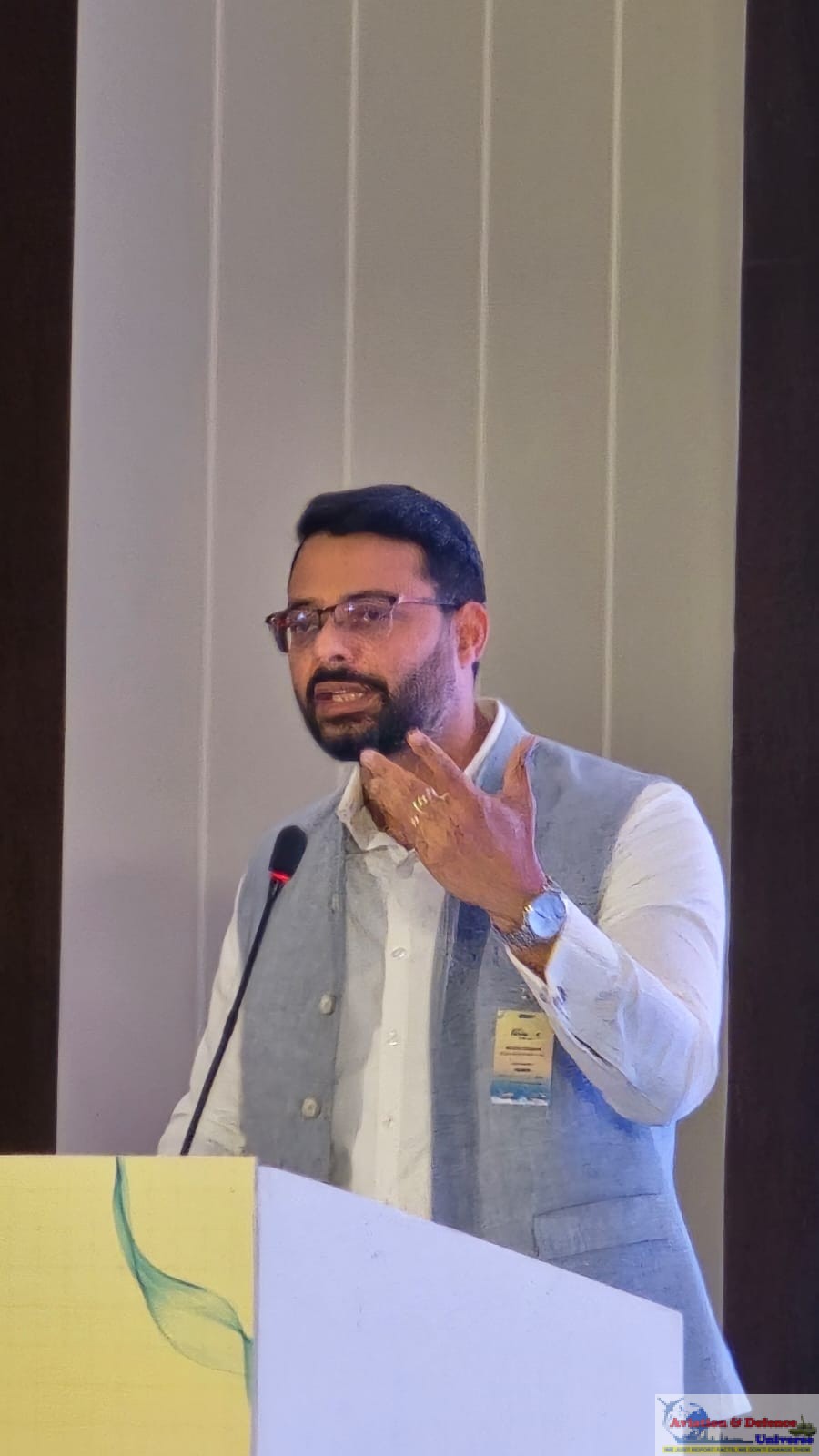 Sunny highlighted Airbus’ commitment to India, noting, “We are the only OEM that has established two final assembly lines in India,” including the H125 helicopter with Tata and the C295 military transport aircraft. He added, “Every H125 and H130 helicopter delivered globally will now have its main fuselage assemblies made in India by an Indian company.”
Linking manufacturing to GA growth, he said these competencies “will nourish the business aviation sector and contribute to the growth of the entire ecosystem.” Citing operational impact, he shared an example of an infrastructure sector customer who, using an H125, increased daily site visits from one to three, calling it “the real impact of business aviation.”
On future growth, Sunny outlined four priorities: reducing operating costs and induction timelines, building pilot training infrastructure, improving access to financing, and maintaining safety as “non-negotiable.” Inviting participants to experience the H125 simulator at Wings India, he noted, “This can play a significant role in plugging the pilot training gap and enhancing safety.” He concluded by expressing confidence that with collective effort, India could move from 20 helicopters per year to double that by the next Biz Av India.
The inaugural session of Biz Av India underscored a clear message: general and business aviation in India is transitioning from a niche segment to a strategic pillar of national connectivity and economic efficiency. Through collaborative platforms like Biz Av India, sustained regulatory dialogue, global engagement and industry-led execution, the sector is laying the groundwork for scalable, safe and inclusive growth—aligned with India’s broader development ambitions.