









- Accidents Shake Confidence leading to Fying Through Fear
- From Investigation to Prevention. Strengthening Aviation Safety Standards
- Lessons, Not Blame. The Role of Regulators in Building Safer Skies
By Sangeeta Saxena
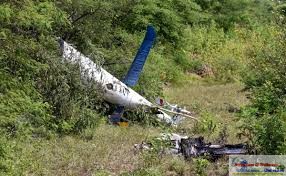 Hyderabad. 29 January 2026. As I sit down to write this report the topic becomes all the more relevant with the tragic crash of a general aviation aircraft killing Dy CM Maharashtra and four more yesterday morning. Recent aviation accidents, especially when widely covered across television and digital media, tend to leave a disproportionate imprint on the human psyche. Even though aviation statistically remains one of the safest modes of transport globally, a single accident can trigger heightened fear, hesitation and anxiety among passengers. Images replayed repeatedly, expert debates and social media speculation often amplify emotional responses far beyond statistical reality. For many travellers, the perception of risk temporarily outweighs data-driven assurance, leading to cancelled bookings or a preference for surface transport. However, it is equally true that every accident triggers intense investigation, regulatory scrutiny and safety enhancements, which ultimately make flying even safer. The psychological impact may be immediate and emotional, but historically, aviation’s transparent safety culture and continuous improvements have restored public confidence over time.
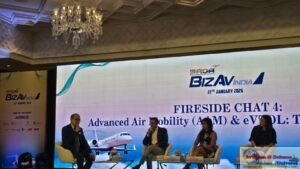
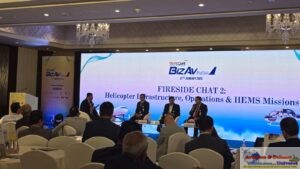
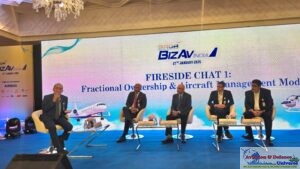
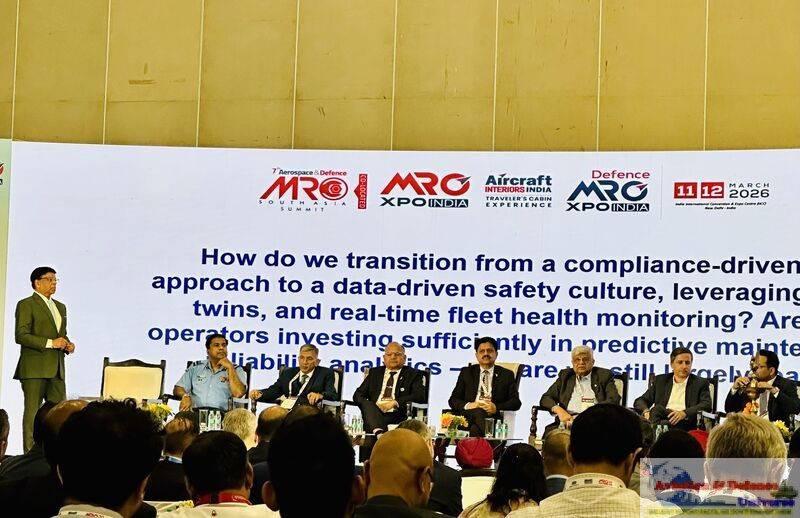
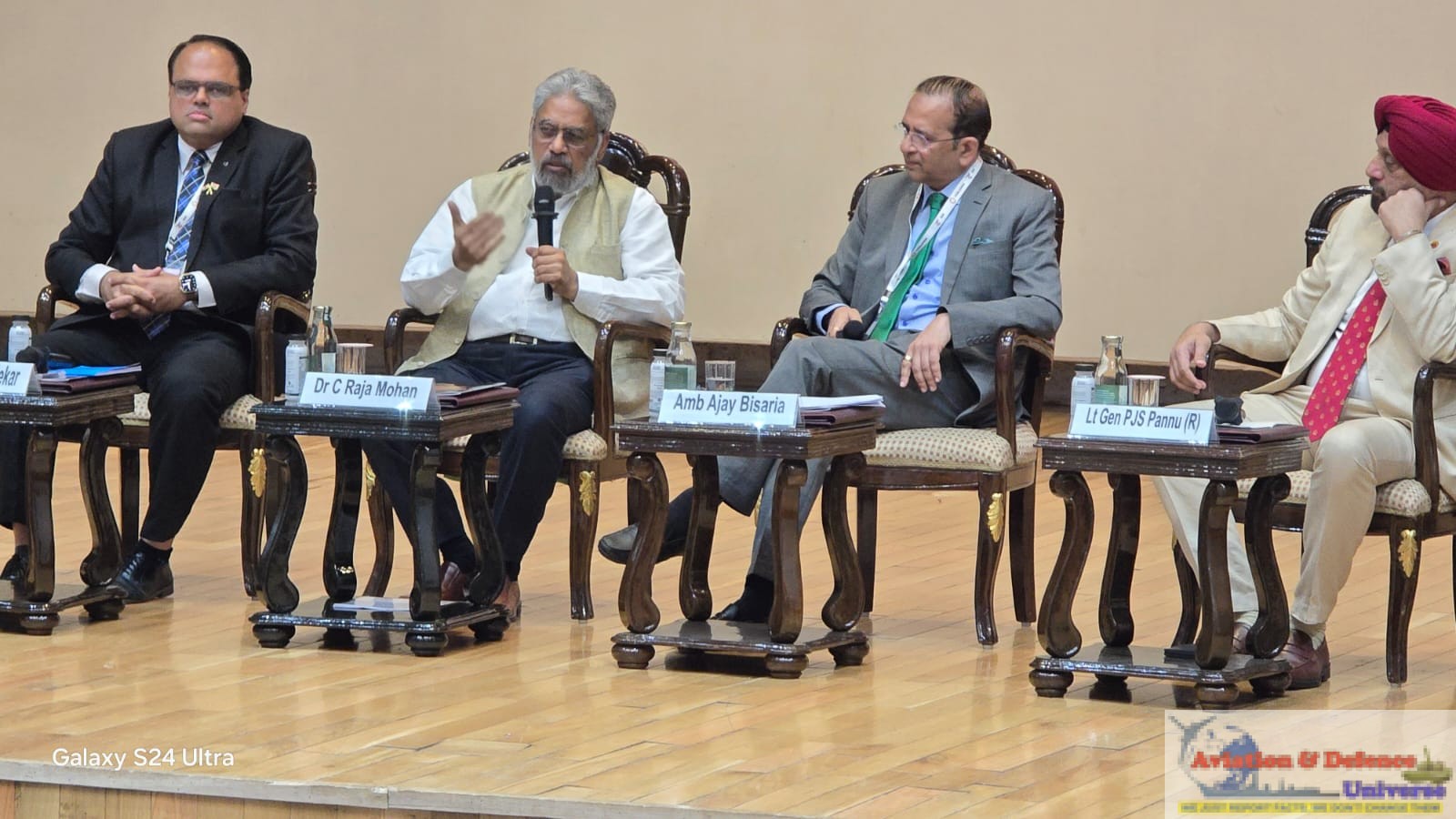
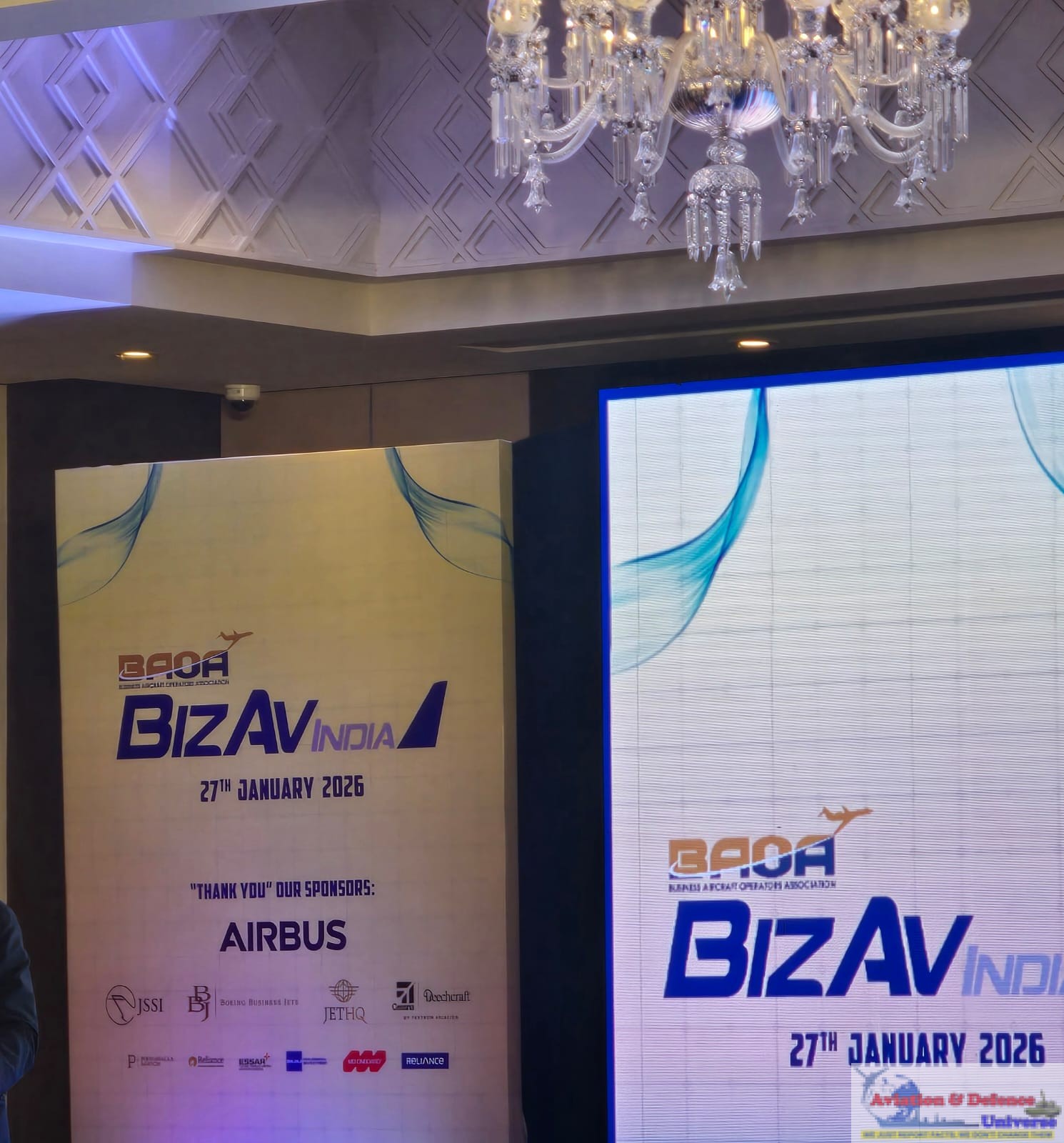 As India’s general and business aviation ecosystem expands alongside economic growth, aircraft safety has moved to the centre of policy and operational discussions. At the Biz Av India session held on the sidelines of Wings India 2026 in Hyderabad, senior regulators and industry leaders underlined that safety in general aviation must evolve beyond compliance into proactive risk management, structured training and infrastructure reform.
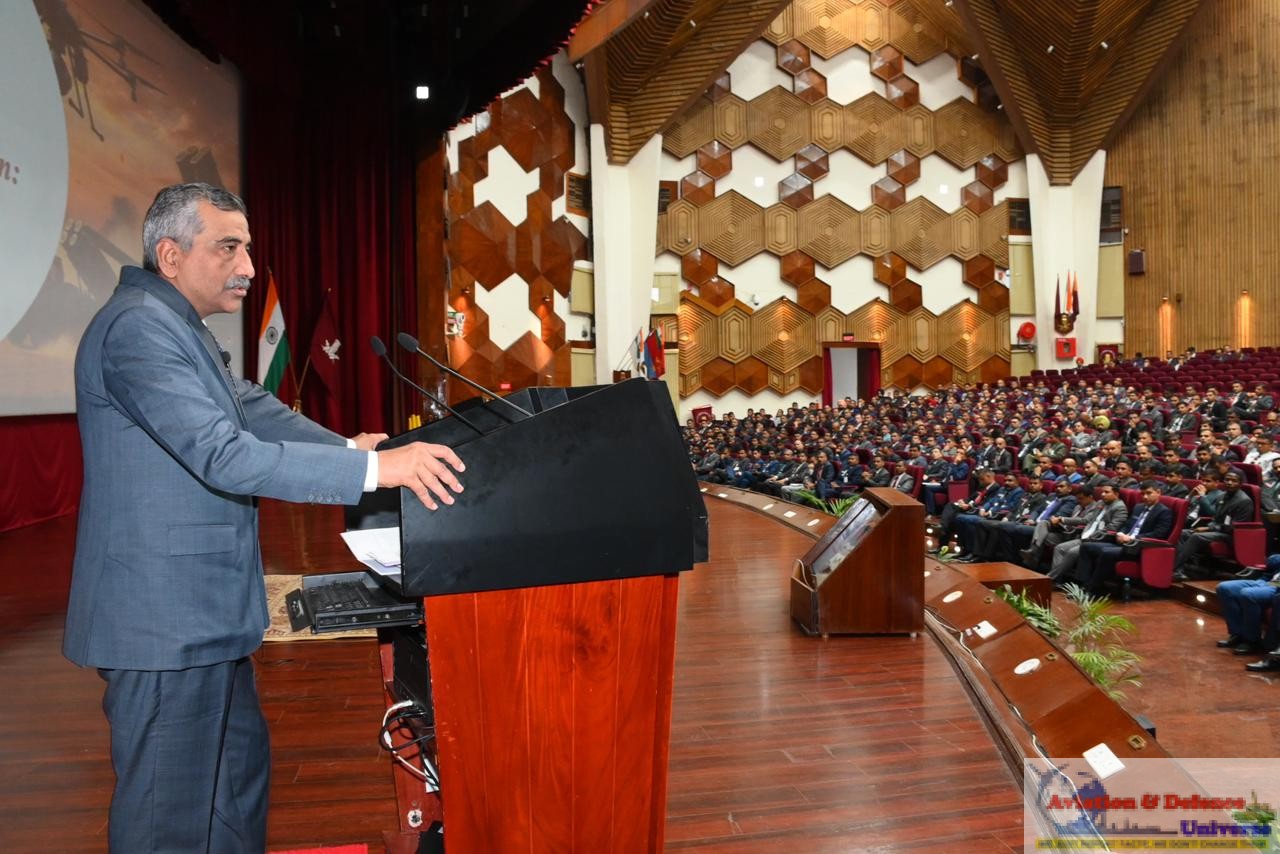
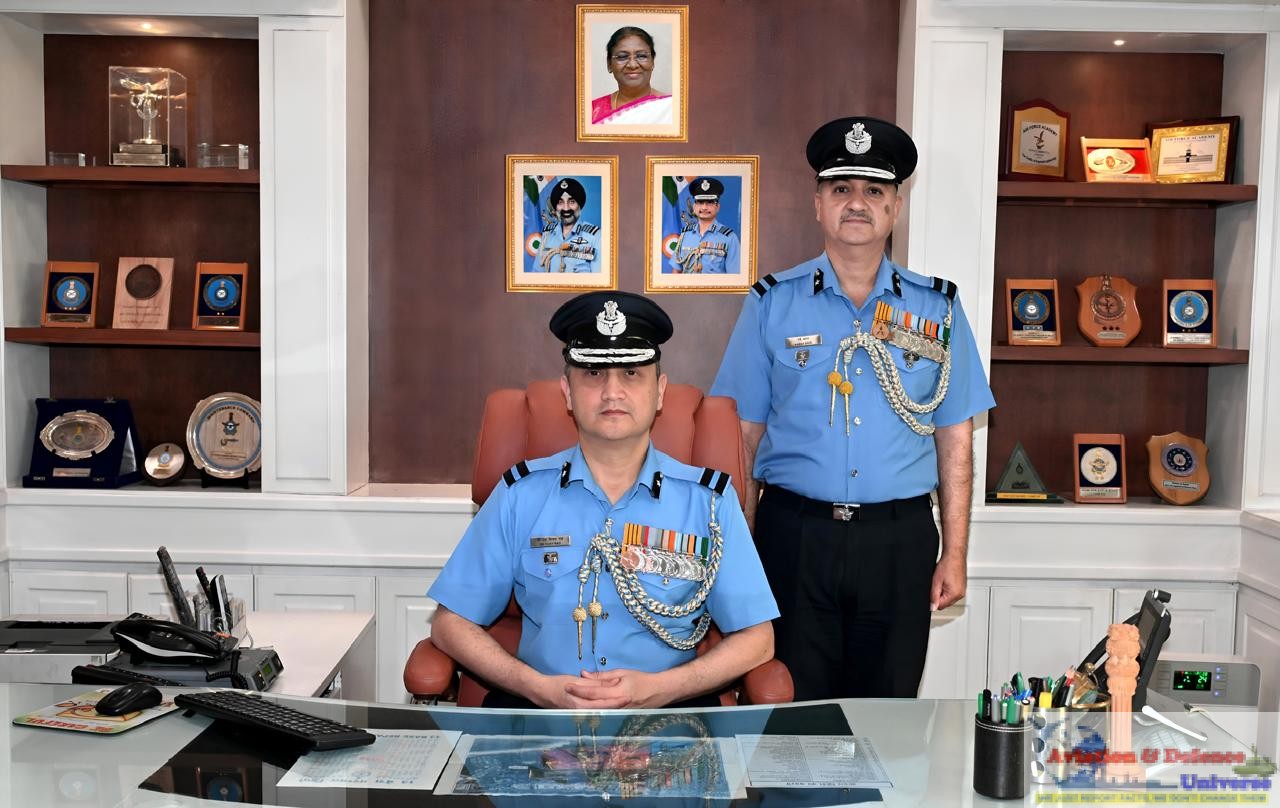
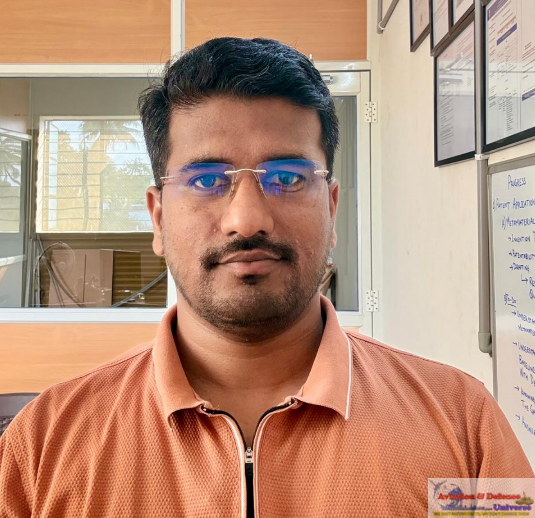
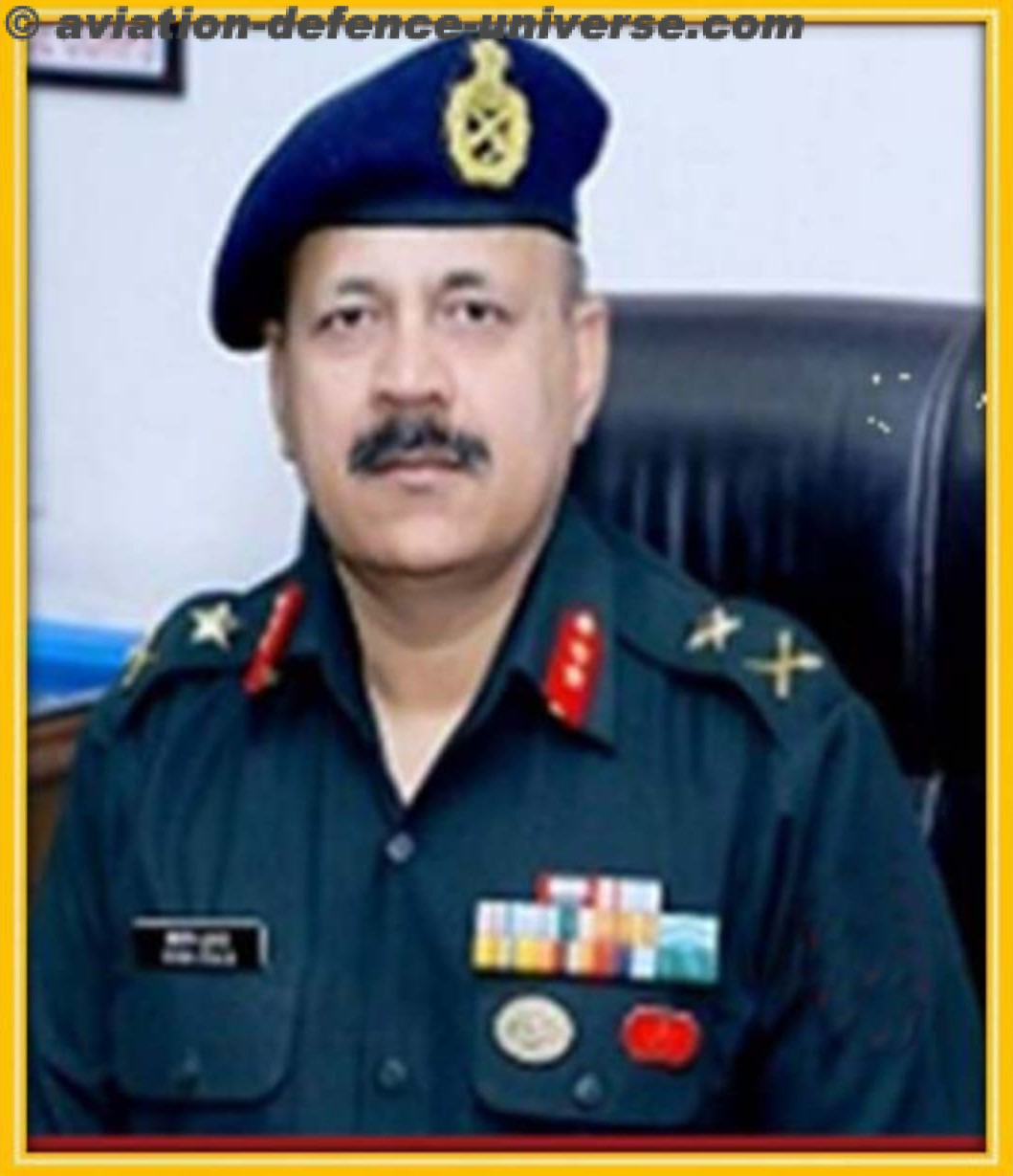
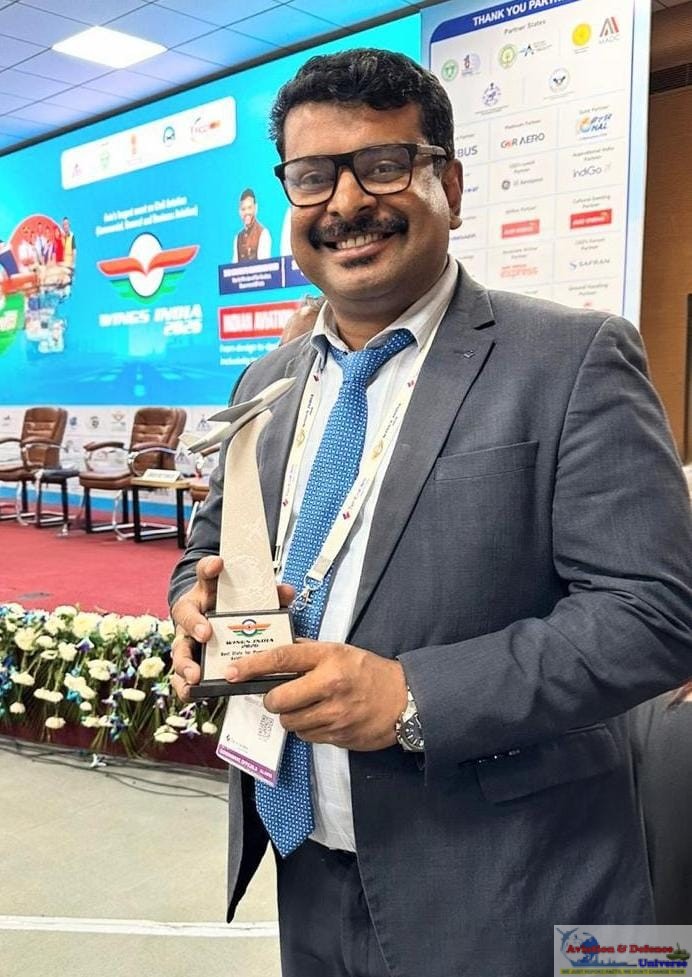
The session opened with the introduction of GVG Yugandhar, Director General of the Aircraft Accident Investigation Bureau (AAIB), Government of India, described as “a seasoned aviation professional with roots in aeronautical engineering and military aviation,” who leads India’s independent accident investigation body with “deep expertise and commitment.” Addressing the gathering, Yugandhar set the tone with a candid message, “There is nothing to be afraid of accidents and investigations. It is an occupational hazard. But every investigation is done to prevent accidents. The entire aim is to prevent accidents.” He stressed that investigations exist to stop recurrence, not assign blame. “The investigators work so hard and do so much research so that similar accidents do not happen. But still they happen. It is because the people do not learn from the other’s mistakes. Because in accident research, accidents are not new. Only the actors are new,” he added.
Safety in aviation is built on a multi-layered, system-driven framework where no single barrier stands alone. Modern aircraft are designed with redundant systems, fail-safe mechanisms, and rigorous certification protocols that test performance under extreme scenarios. From airworthiness standards and maintenance schedules to crew training requirements and operational manuals, every aspect of flight is governed by documented procedures. Safety Management Systems (SMS), data monitoring, fatigue risk management, and real-time performance tracking further ensure that risks are identified and mitigated before they escalate. Importantly, aviation safety is proactive rather than reactive, relying heavily on reporting cultures, data analytics, and continuous improvement rather than waiting for accidents to occur.
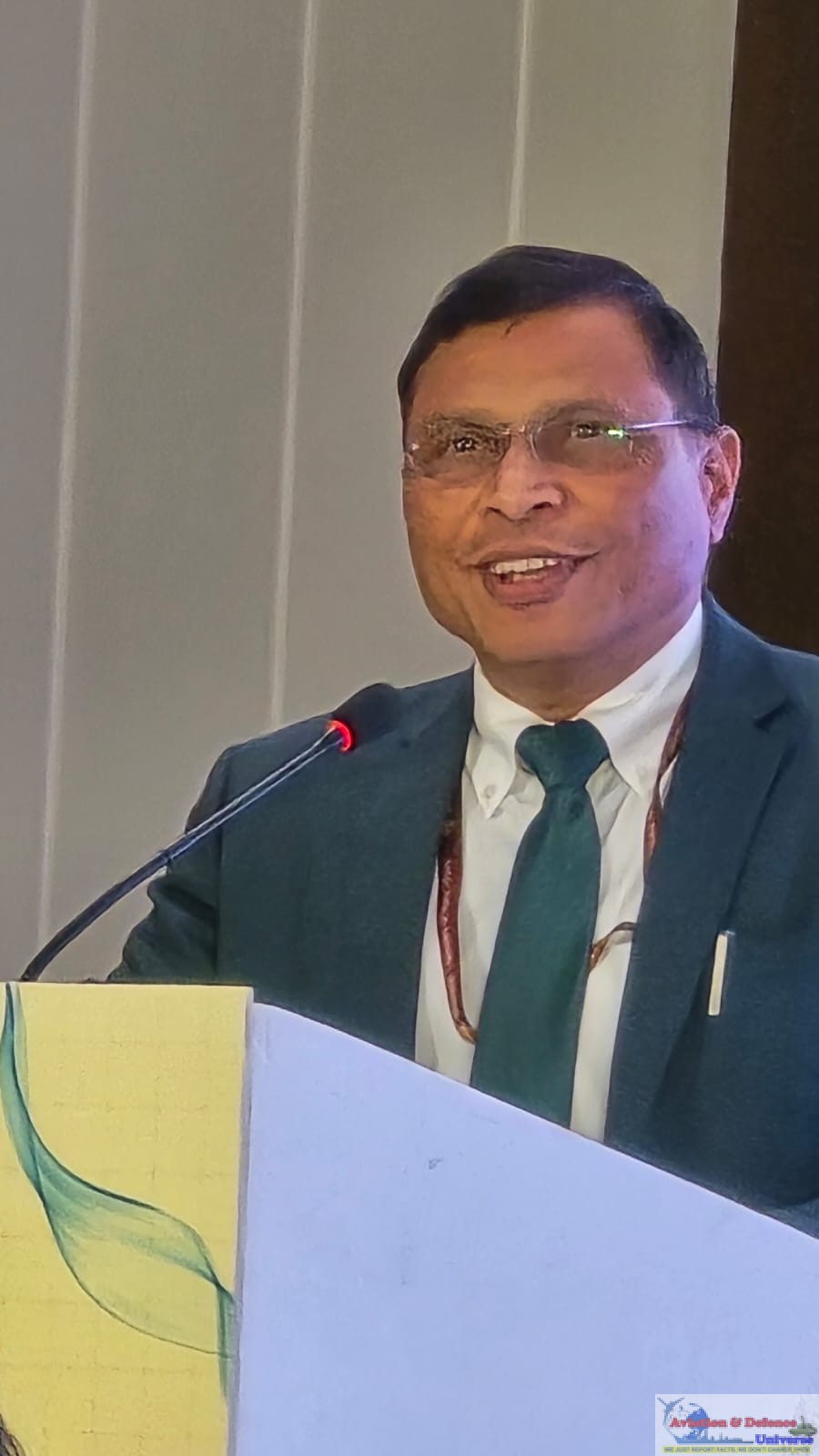 “India is one of the pioneering nations in the globe to have an independent accident investigation group. It came into existence in 2012. On average, we have investigated around 20 per annum. And we have investigated close to 220 accidents as of now. And we have about 35 accident investigations which are presently in progress, ” he informed.
Breaking down accident patterns, Yugandhar revealed that nearly half of the investigations involve flying training organisations. “About 50 percent of the accident investigations are from the trainers, that is, flying training organisations. In flying training organisations also, more than 80 percent of them are because of violation of SOP.” He said this is now a primary focus area — preventing procedural violations through discipline and monitoring.
Non-scheduled operators account for another large share. “About 35 to 40 percent of the occurrences which we are investigating are non-scheduled operators. Many of the investigations lead into the human error group. Maybe because of the lack of currency and situational awareness and loss of control sometimes.” However, he highlighted encouraging trends, “Compared to the global average, the maintenance errors are much lower. Much, much lower.” He also noted that unruly passenger incidents have not significantly contributed to accidents in India, with only isolated helicopter losses due to crowd mismanagement during election operations.
Yugandhar explained that while technical reliability has improved dramatically, human error now accounts for a greater share of accidents. “In 60s, if 100 accidents have happened, 80 were because of technical and 20 were because of human. And today only 10 accidents are happening, 8 of them are because of human and 2 are because of technical reasons.” He emphasised the need for constant training and simulator use, “The simulators and practise of emergencies is one area where the safety can be improved.”
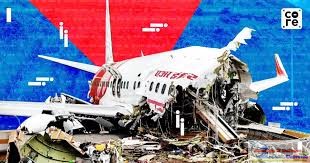
Despite aviation becoming one of the most technologically advanced industries in the world—with fly-by-wire systems, automated flight management computers, terrain awareness systems, predictive maintenance and AI-driven analytics—the proportion of accidents attributed to human factors has paradoxically increased. This does not mean pilots or crews are becoming less competent; rather, as technology has reduced mechanical failures, the remaining vulnerabilities are increasingly linked to decision-making, situational awareness, communication breakdowns, fatigue, automation dependency and procedural deviations. Modern cockpits demand a different skill set: managing automation, interpreting complex data streams and intervening decisively when systems behave unexpectedly. When highly reliable systems fail—or are misunderstood—the human operator becomes the final safety barrier. In this context, human error is less about incompetence and more about the intricate interaction between humans and increasingly sophisticated machines, making continuous training, CRM, simulator practice and safety culture more critical than ever.
He stressed that experience alone does not guarantee safety, “The aircraft doesn’t understand how much experience you have. The pilot with more than 10,000, 20,000 hours of experience also can be useless.” Referencing research presented at ICAO, Yugandhar spoke about Controlled Flight Into Terrain (CFIT), “Globally, as per the IATA statistics, 4% of the occurrences reported are because of CFIT. But they contribute to 19% of the fatalities all over the globe. And if CFIT happens, two-thirds of the case all over the globe, it is fatal only.” He said three-fourths of CFIT cases occur during approach and called for stronger CRM between controllers and pilots, “When the systems are available on board the aircraft, the GPWS is available and ground radar is available, we have proposed that the CRM between the controller and the pilot should be there.”
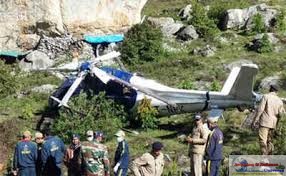 Turning to rotary wing operations, Yugandhar acknowledged structural gaps, “All the procedures which are presently applied to the fixed wing are not helping the helicopters to grow.” He confirmed that a strengthened helicopter cell is being established and regulatory simplifications are underway. He also called for better helipad infrastructure. “If we spent about 10 crore for a good helipad… it can be utilised for multiple purposes, ” Yugandhar stated. He cited accidents caused by temporary helipads during political campaigns, including dust bowl incidents during elections. On helicopter pilot training, he pointed out a financial imbalance. “The training cost of helicopter goes one and a half times than the fixed wing. And they have to start with a salary of 0.5 times than the fixed wing,” he informed and added that industry-government collaboration to establish simulator-based training facilities within India has to become common place.
Airport infrastructure plays a critical yet sometimes underestimated role in aviation safety, and deficiencies in this area can act as contributing factors to accidents and serious incidents. Runway length and condition, inadequate lighting, poor drainage, improper signage, lack of precision approach aids, insufficient runway end safety areas (RESA), and congested apron layouts can all increase operational risk, especially in adverse weather or high-traffic conditions. In smaller or remote airfields, absence of proper helipad design, obstacle clearance, perimeter control, wildlife management, and emergency response readiness can further compound vulnerabilities. Even factors such as poorly designed taxiways leading to runway incursions, inadequate air traffic control visibility, or lack of ground radar systems can trigger cascading errors during critical phases like takeoff and landing. As traffic density grows, infrastructure must evolve in parallel; otherwise, even well-trained crews operating technically sound aircraft may find themselves navigating avoidable risks created not in the air, but on the ground.
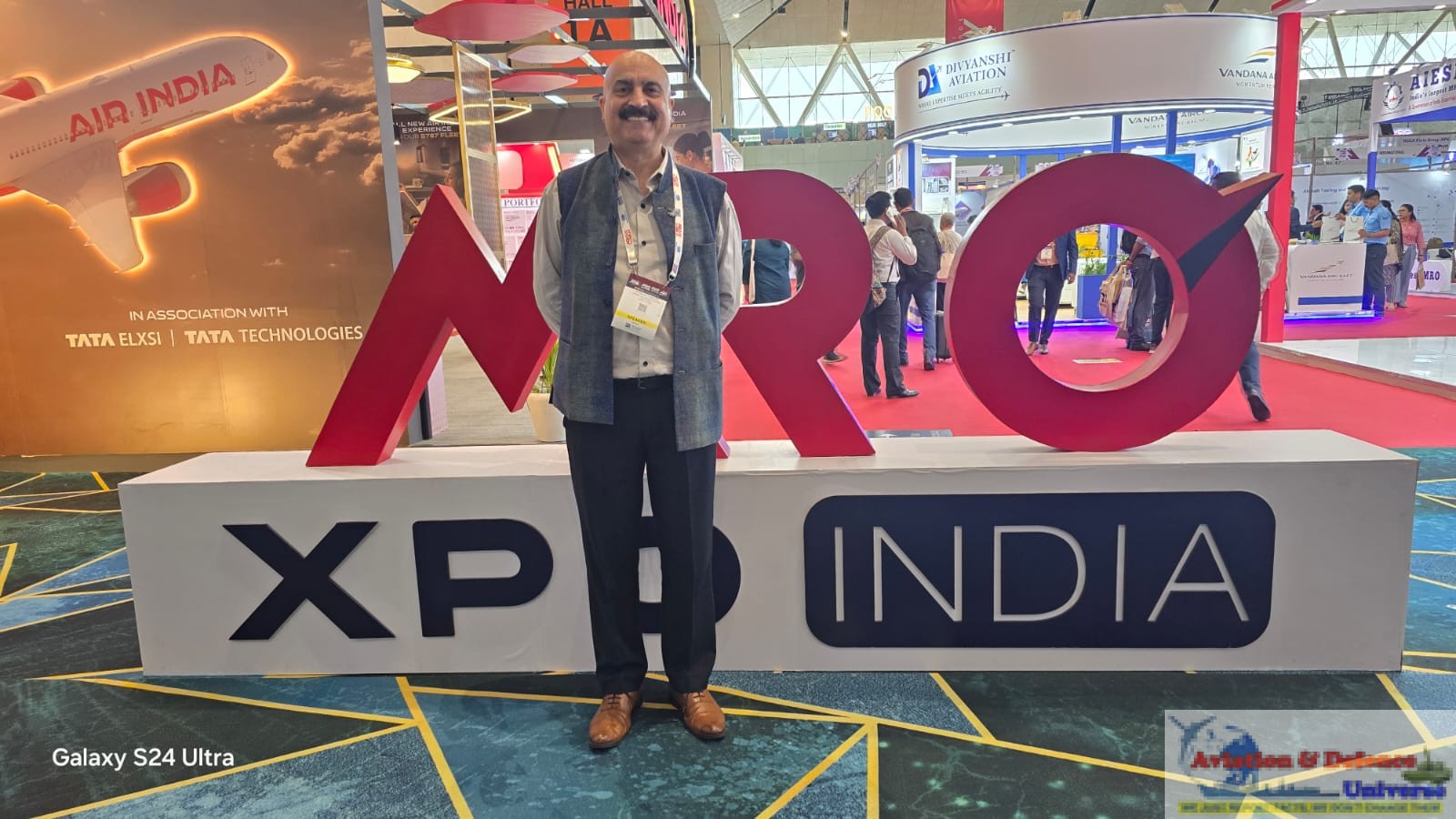
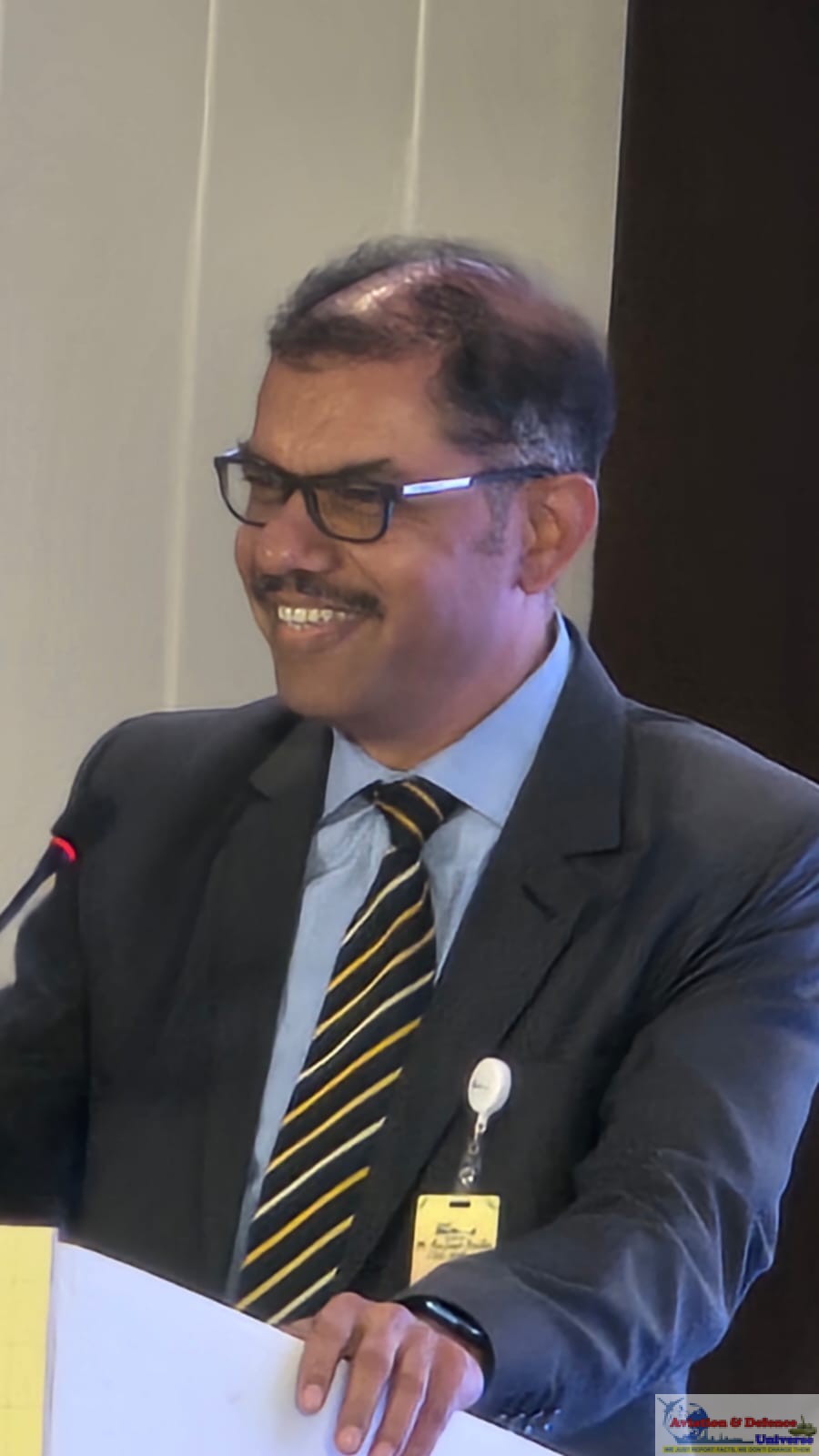 GMR Hyderabad International Airport CEO Pradeep Panicker addressed capacity realities at busy airports. He noted, “For the airport, the most critical asset is the runway. If a helicopter movement takes away eight movements on the runway, then it doesn’t make sense.” He called for industry-led solutions to balance growth with capacity constraints. Pradeep Panicker is widely regarded as one of the pioneers of India’s Public–Private Partnership (PPP) airport model. Following the signing of the Operations, Management and Development Agreement (OMDA) in 2005, he played a pivotal role in the development and transformation of Delhi International Airport into one of the leading airports in the Asia-Pacific region—a distinction it continues to hold. Around four years ago, he moved to Hyderabad to lead GHIAL, bringing with him the same strategic vision, professionalism and forward-looking approach that have defined his career. A strong advocate of general and business aviation as key drivers of economic growth, he was instrumental in establishing Delhi’s first dedicated General Aviation terminal and continues to strengthen GAA infrastructure in Hyderabad, while preparing airports to adapt to emerging trends such as electric aviation and advanced air mobility.
Another major player in the safety of the ecosystem is the regulator. Regulators play a central role in sustaining this safety architecture. Civil aviation authorities establish certification norms for aircraft, licensing standards for pilots and engineers, oversight mechanisms for airlines and maintenance organisations, and operational guidelines for airports and air navigation services. They conduct audits, surveillance inspections, simulator checks, and compliance reviews to ensure adherence to national and international standards set by bodies such as ICAO. Independent accident investigation agencies further strengthen the system by identifying root causes and issuing safety recommendations without attributing blame, ensuring lessons are institutionalised across the ecosystem. Through regulation, oversight, and collaboration with global counterparts, regulators function as custodians of public trust, ensuring that safety remains the foundation upon which aviation growth is built. In India DGCA holds control over the regulatory requirements and licensing.
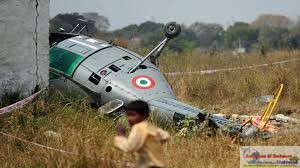 Concluding the session, industry representatives emphasised collaborative slot management, digital allotment systems, and balancing commercial and general aviation interests. The message from Biz Av India 2026 was clear: safety in general and business aviation must move beyond investigation toward prevention through training, infrastructure reform, operational discipline, and collaborative policymaking. And military choppers too need to be discussed and the IAF, Army Aviation and Naval Aviation too need to be a part of this dialogue.
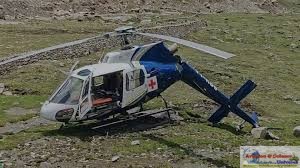
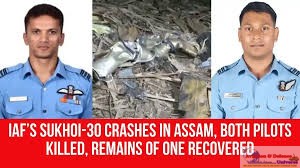
In the end, aviation remains one of the safest and most trusted modes of transport because of the collective vigilance of all its stakeholders. Regulators such as the Ministry of Civil Aviation, AAI, DGCA and AAIB frame and enforce robust safety standards; airport operators ensure resilient infrastructure and seamless 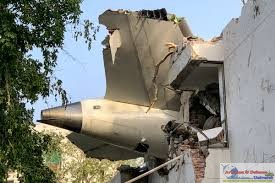 airside management; airlines and general aviation operators uphold operational discipline and safety management systems; OEMs design and manufacture technologically advanced and reliable aircraft; MRO organisations maintain airworthiness with precision; air traffic controllers safeguard the skies with constant situational awareness; training academies and simulators prepare pilots and engineers for both routine and emergency scenarios; financiers and lessors support sustainable fleet modernisation; and above all, pilots, engineers and ground personnel execute their responsibilities with professionalism and accountability. It is this intricate ecosystem—built on compliance, collaboration, continuous learning and a shared commitment to safety—that ensures public confidence in aviation remains strong, even in the face of challenges. Pictures like these one should make the resolve of air safety stronger for all stakeholders.