














- From Playgrounds to Runways: The Remarkable Aviation Mind of a Child Prodigy
- When Cartoons Take a Back Seat to Cockpits
- Engines, Aircraft and Airlines: How an 8-Year-Old is Redefining Childhood Curiosity
By Sangeeta Saxena
Hyderabad. 31 January 2026. At an age when most children rush home from school to cartoons and video games, eight-year-old Mokshagna Palukuri is busy charting flight routes, debating the merits of long-haul versus short-haul operations, and confidently explaining the differences between Rolls-Royce and Pratt & Whitney engines. While his peers memorise superheroes, he identifies Airbus and Boeing aircraft at a glance, points out design distinctions, and speaks with ease about airlines, airports and the wider aviation ecosystem. His conversations sound less like those of a child and more like those of a seasoned aviation enthusiast—making him a rare wonder whose curiosity has already taken wing far beyond his years.
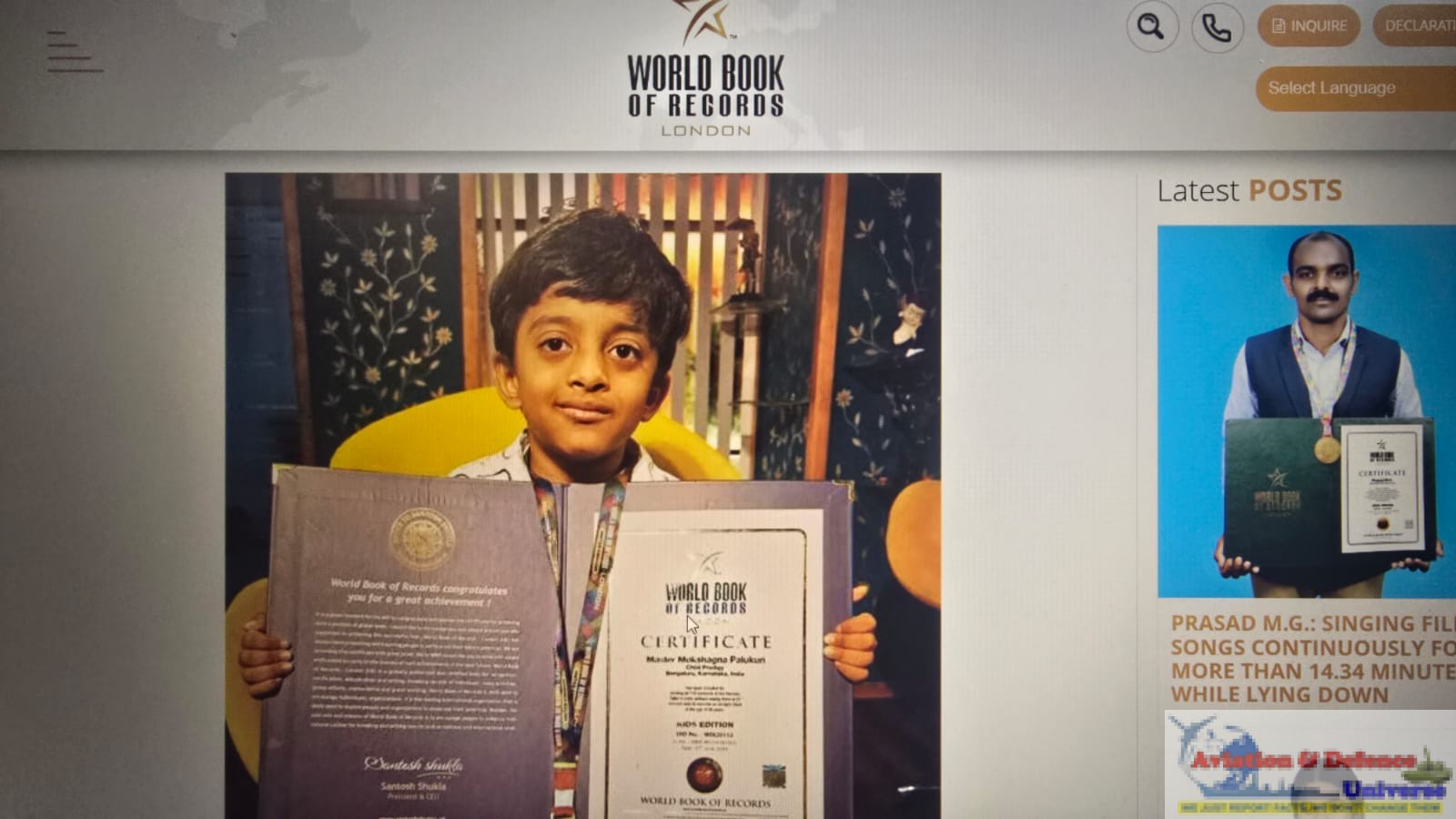
 But this is not alone. He has already achieved what many older students find daunting—mastery through memory, discipline through play and excellence driven purely by fascination. His remarkable ability to recite all 118 elements of the periodic table flawlessly, in sequence and in just over a minute has earned him recognition and admiration far beyond his years, marking him as one of India’s most promising young prodigies. It has got him into the world of records.
Mokshagna Palukuri’s knowledge of aviation is striking not just for his age, but for its depth and clarity. Far beyond recognising aircraft by sight, he understands the basic principles of flight—how lift is generated, why wings are shaped the way they are, and how thrust, drag, weight and lift work together to keep an aircraft airborne. These concepts, which often challenge much older students, come naturally to him, explained in his own words with surprising confidence and accuracy.
What sets Mokshagna apart is his fascination with aircraft types and their roles. He can differentiate between commercial airliners, military aircraft, cargo planes and helicopters, and explain why each is designed the way it is. From wide-body passenger jets to fighter aircraft and trainer planes, he shows keen awareness of how speed, range, payload and mission requirements influence aircraft design. His conversations often drift into discussions about runways, airports, take-offs and landings, revealing a mind constantly connecting theory with real-world aviation operations.
 Unlike many stories of prodigious talent shaped by intense schedules, Mokshyagna’s journey began organically. His interest in elements, symbols, and patterns emerged naturally, sparked by simple conversations and playful exposure to science at home. His family recognised early that his curiosity needed nurturing rather than pressure. Learning became a game, repetition a rhythm, and science a story—an approach that allowed his abilities to flourish without stress.
Mokshagna also shows an intuitive understanding of aviation technology and safety. He speaks with excitement about cockpits, instruments, radar, engines and navigation systems, often asking questions about how pilots communicate, how aircraft are guided in bad weather, and how air traffic control ensures safe skies. His curiosity extends to modern aviation advancements, including fuel efficiency, newer materials, and even sustainable aviation—topics that reflect an awareness well beyond his years.
What truly sets Mokshagna apart is that his talent is not confined to memorisation. He asks questions, seeks patterns, and enjoys explaining what he learns—signs of a mind eager to understand rather than merely recall. Whether his future lies in science, research, aviation, or an entirely different field remains to be seen, but his early grounding suggests a lifelong relationship with learning. Unlike most children his age , he loves mathematics.
 Perhaps most inspiring is that Mokshagna’s aviation knowledge is driven purely by fascination, not instruction. Aviation, for him, is not a subject to be memorised but a world to be explored. Whether watching aircraft overhead, studying pictures, or discussing how planes connect countries and people, he approaches aviation with wonder and seriousness in equal measure. His growing understanding hints at a future where this early passion could evolve into innovation, leadership, or contribution to India’s expanding aviation and aerospace ecosystem.
Mokshagna Palukuri’s story is a reminder that passion, when nurtured early, can take extraordinary flight. His intuitive grasp of aviation—from aircraft design and engine technology to airline operations—reflects not only remarkable intellect but also a deep curiosity about how the world connects through the skies. As India’s aviation sector expands and inspires new generations, young minds like Mokshagna’s signal a promising future where talent, imagination and knowledge converge early. With the right encouragement and exposure, this young aviation buff from Hyderabad could well be charting his own course in the skies of tomorrow.
Behind Mokshagna’s achievements lies a supportive ecosystem rooted in encouragement and balance. His parents emphasised exploration over expectation, ensuring that his intellectual pursuits coexisted with play, rest, and imagination. This nurturing environment has allowed Mokshagna to develop not just cognitive excellence, but emotional confidence—an essential foundation for sustained growth.
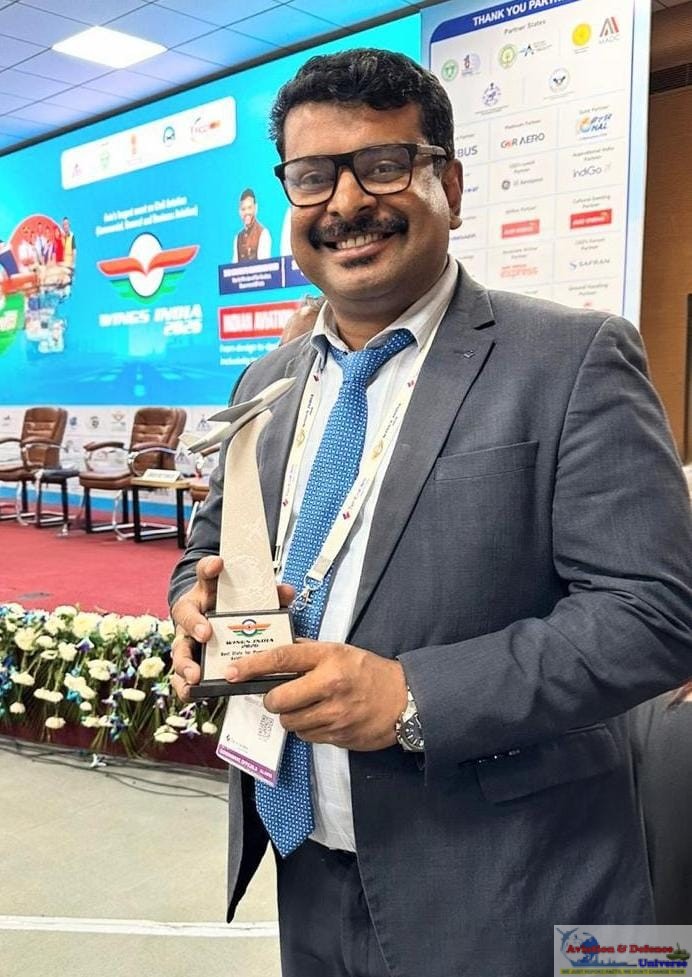
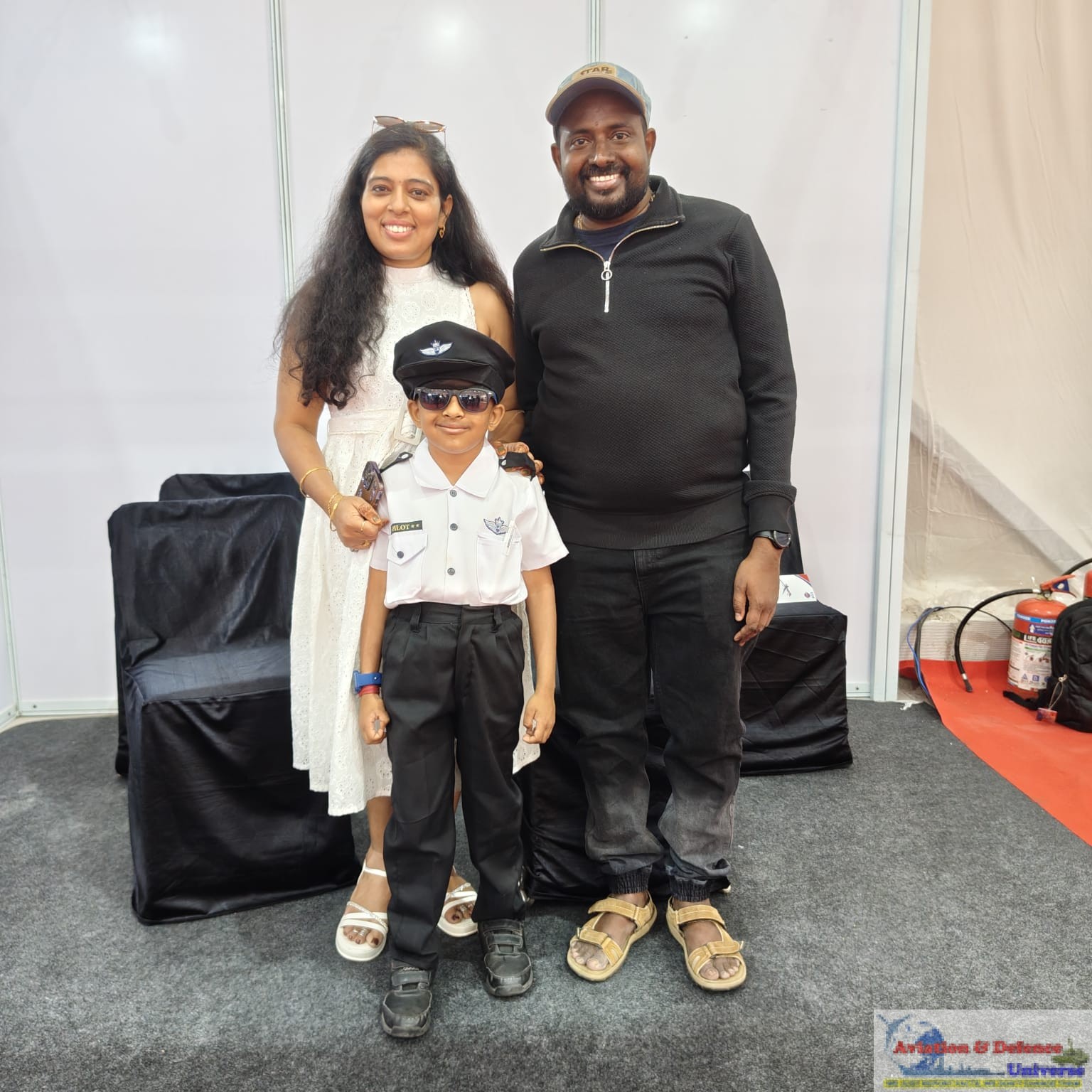
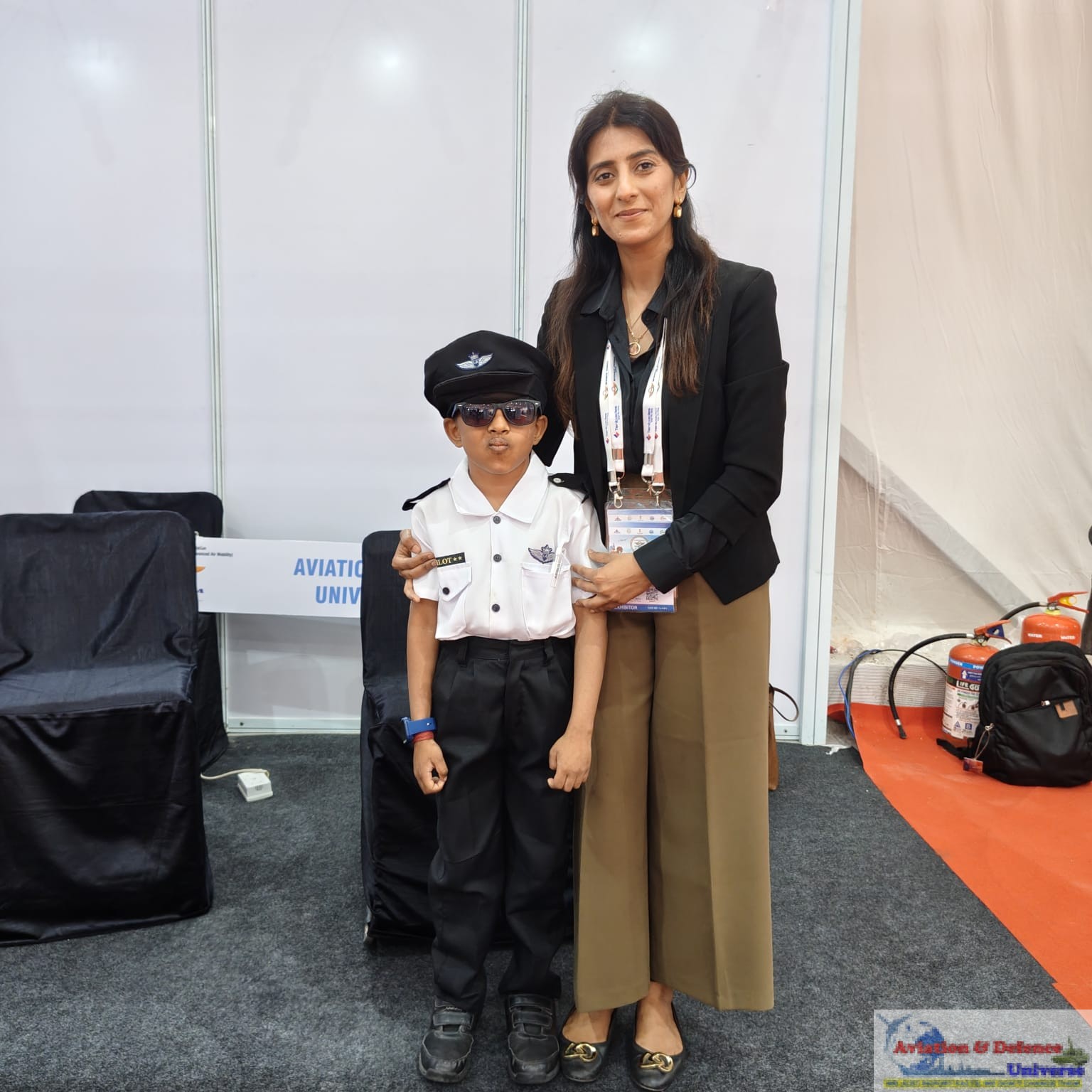
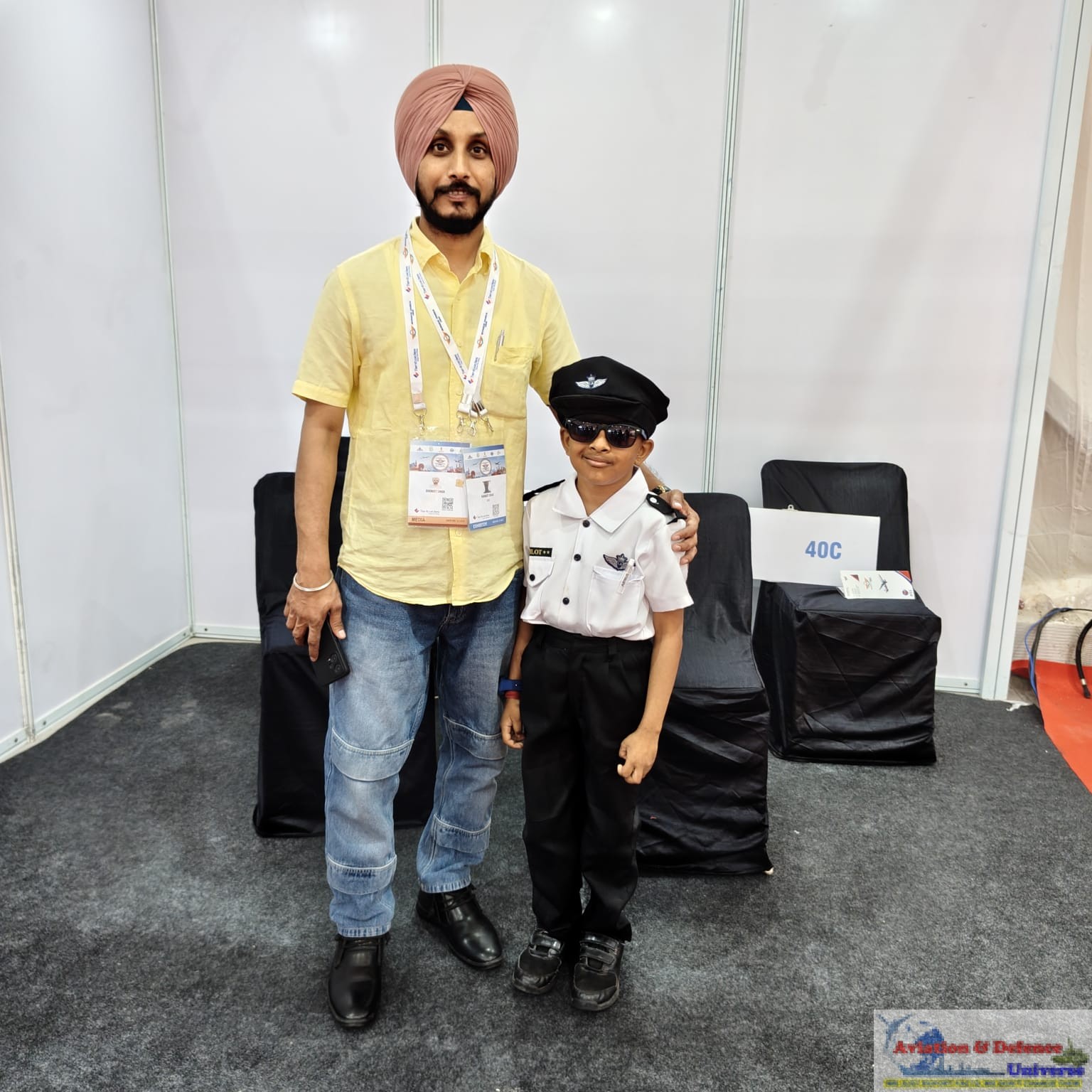
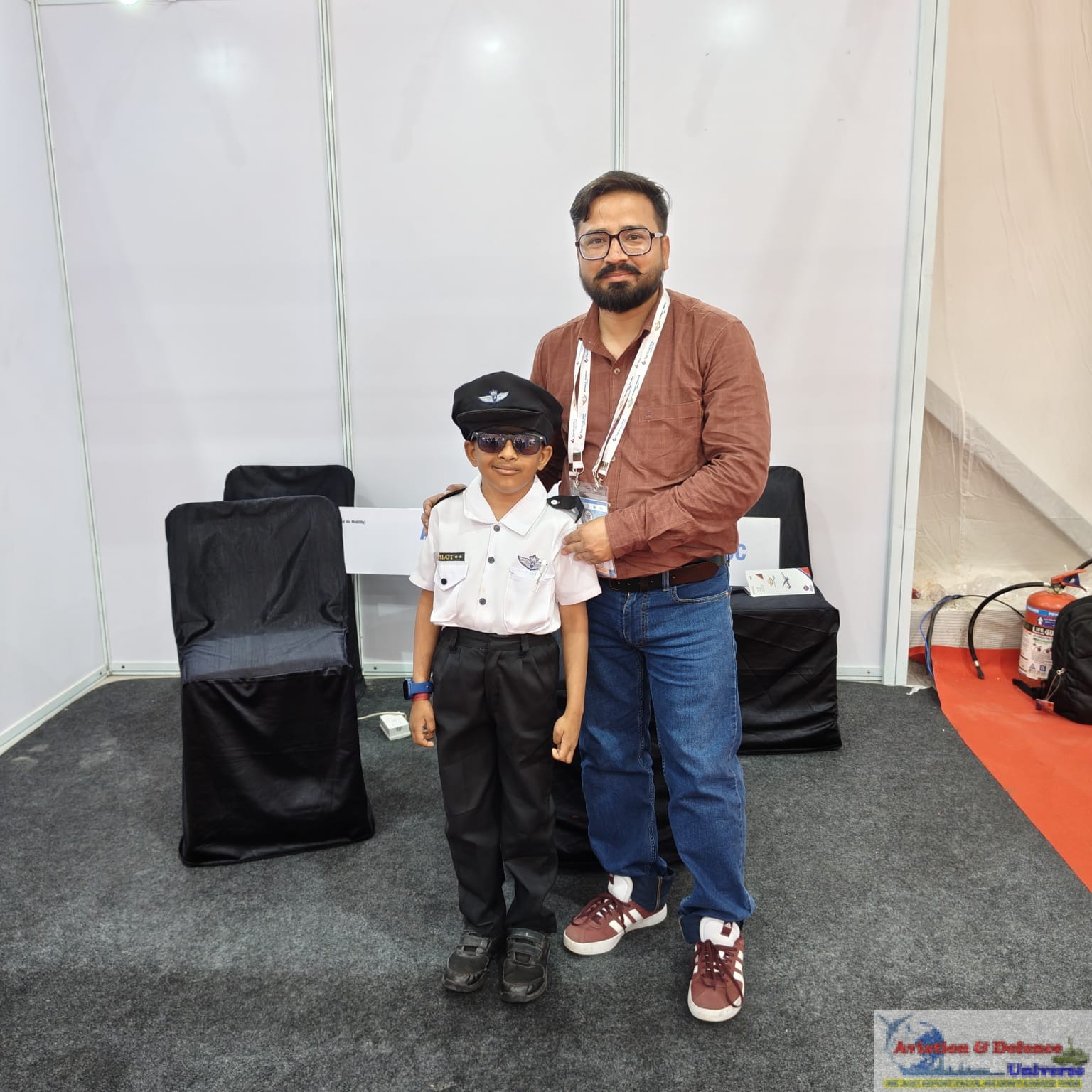 At Wings India 2026, the energy on the show floor found an unexpected yet inspiring focal point when Team ADU met and interviewed eight-year-old aviation prodigy Mokshagna Palukuri. Amidst towering aircraft, bustling OEM pavilions and high-level industry discussions, Mokshyagna stood out with his quiet confidence and astonishing command over aviation knowledge. As he spoke animatedly about long-haul and short-haul operations, engine choices, aircraft families and airline strategies, it was clear that this was no rehearsed fascination but a deeply internalised passion. For Team ADU, the interaction was both refreshing and humbling—proof that the spirit of aviation transcends age, and that the future of the aerospace ecosystem may already be walking the exhibition halls, asking the right questions and dreaming far beyond the runway.
In Mokshagna Palukuri, Hyderabad has found more than a child prodigy—it has found a reminder of the boundless potential of young minds when curiosity is respected and nurtured. His journey underscores an important truth: excellence in childhood does not come from pressure, but from passion supported by care. As Mokshyagna continues to grow, he carries with him not just records and recognition, but the promise of what India’s next generation can achieve when learning is allowed to be joyful.
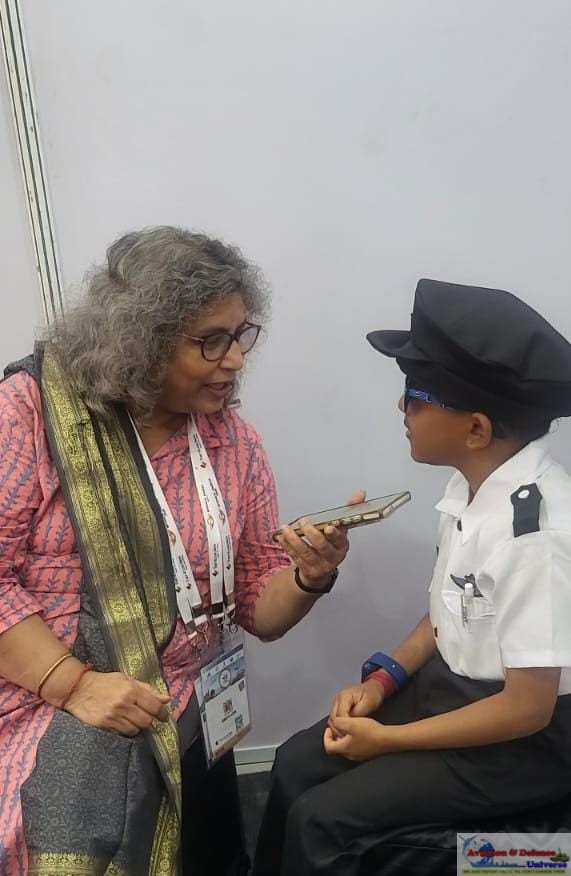 Taking this interview was one of the most heart-warming and memorable moments for me as an editor. Sitting across from an eight-year-old child prodigy who spoke about aviation with such clarity, confidence and genuine passion was both humbling and exhilarating. At an age when most children rush home to cartoons after school, here was a young mind articulating the difference between long-haul and short-haul aircraft, naming engines and airlines, and expressing a clear ambition to become an aviation expert. What struck me most was his desire to investigate aircraft crashes, driven not by fear but by curiosity and responsibility—wanting to understand what went wrong and how safety can be improved. His eyes lit up when he spoke about visiting an aircraft manufacturing facility and a final assembly line, dreams that felt remarkably real rather than imaginary. As the first child aviation enthusiast interviewed by ADU, this conversation reaffirmed why aviation storytelling matters—because sometimes, the future of the industry is standing right in front of you, in a pilot uniform, giving brilliant answers and asking in return smartest questions of all on the aviation ecosystem. He definitely bowled me over.