






- Advancing Maritime Security for a Sustainable Future
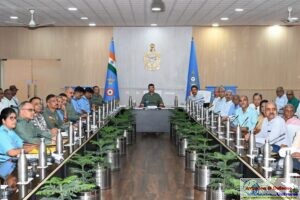
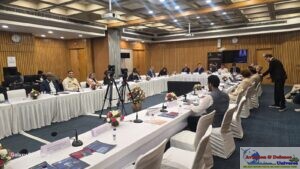
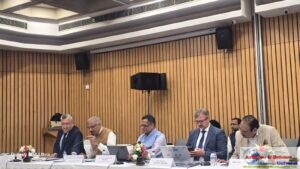
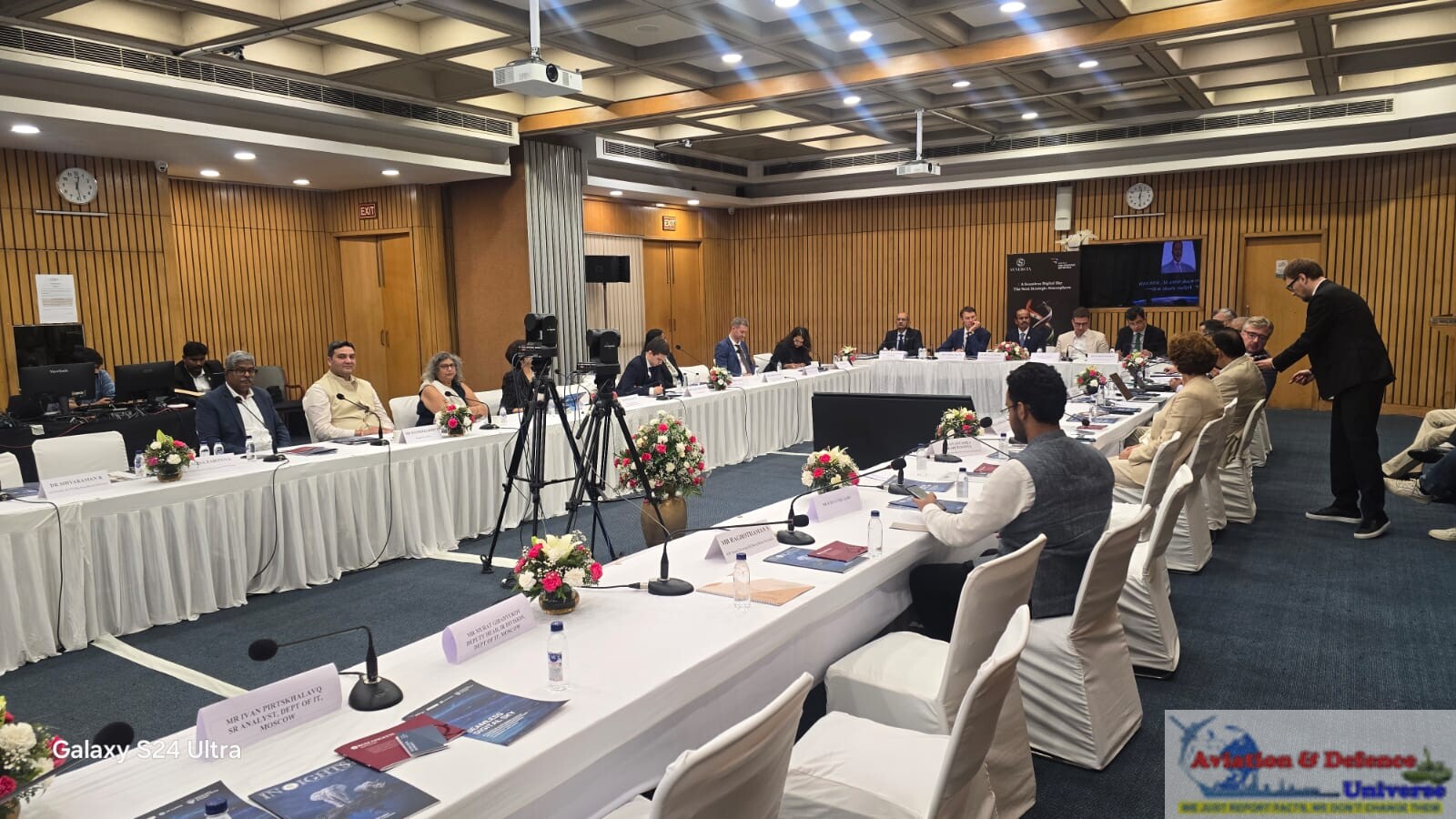
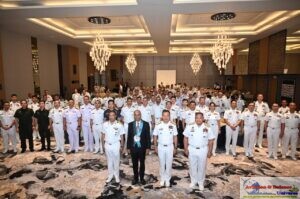
 New Delhi. 18 September 2023. Day one of the workshop featured a series of enlightening sessions, each designed to provide attendees with a nuanced understanding of the challenges and opportunities in holistic maritime safety and security. VAdm Pradeep Chauhan (Retd), Director General of the National Maritime Foundation, commenced the workshop by providing a holistic perspective on contemporary maritime security challenges, which set the stage for a comprehensive understanding of the multifaceted issues at hand. VAdm Anup Singh (Retd), spoke on the imperative need for international cooperation in maritime security and the significance of information sharing as a catalyst for a collective response. His insights shed light on how nations can come together, pool their resources, and collaborate effectively to address common maritime threats. VAdm AK Chawla (Retd), delved into the realm of technology and innovation in maritime security exploring how cutting-edge technologies can be harnessed to secure the maritime domain. RAdm TVN Prasanna, JS (Maritime Security) at the National Security Council Secretariat (NSCS), shed light on governance challenges in the maritime domain and the intricate task of aligning national efforts to establish a resilient maritime security architecture.
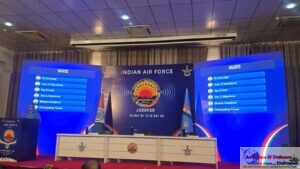
On the second day of the workshop, participants were introduced to India’s two-pronged approach towards maritime security with Information Management and Analysis Centre (IMAC) being a key enabler for national maritime security efforts and Information Fusion Centre – Indian Ocean Region (IFC-IOR) engaging with regional and international partners for a safe and secure Indian Ocean Region. The highlight of the second day was the maritime security exercise, a hands-on experience that immersed participants in real-world scenarios, simulated using the newly introduced indigenous NISHAR-IFC (Network for Information Sharing – Information Fusion Centre) software. The exercise served multiple purposes. Firstly, it aimed to enhance participants’ shared understanding of contemporary maritime safety and security challenges. Secondly, it fostered collaboration and communication among various maritime entities, ensuring a synchronized and effective response to potential threats. Lastly, it provided an opportunity for participants to work as a cohesive team, preparing contingency plans tailored to a variety of maritime scenarios. Above all, this day underscored the paramount importance of collaborative endeavours. It emphasized that, in the realm of maritime security, success hinges upon the collective efforts of nations, organizations, and professionals working in unison. The proceedings of day two culminated with RAdm Rahul Shankar, Assistant Chief of Naval Staff (Communication, Space & Network Centric Operations), highlighting the importance of collaborative maritime security constructs, shared resources, information sharing and technology in navigating the intricate web of maritime safety and security challenges in the IOR.
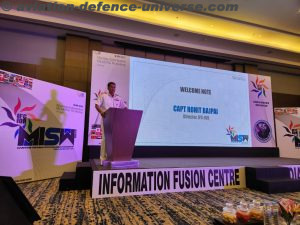
The third and final day of the Maritime Information Sharing Workshop (MISW) 23 was an exclusive session dedicated to the Djibouti Code of Conduct-Jeddah Amendment (DCoC/JA) countries. India is an observer nation in this construct and has committed support for capacity building and capability enhancement. Capt Rohit Bajpai, Director, IFC-IOR, set the stage for an intellectually stimulating day. Mr. Kiruja Micheni, the International Maritime Organization (IMO) Project Manager for DCoC/JA, followed with a keynote address that highlighted the significance of international collaboration in ensuring maritime security. The primary agenda of the day was to streamline the DCoC Information Sharing Network () Standard Operating Procedures (SOPs). Cdr Deepak Lavaniya, Deputy Director of IFC-IOR, led a thoISNught-provoking session on the critical need for a robust information-sharing architecture to enhance maritime safety and security. Participants engaged in brainstorming sessions, contributing valuable insights towards refining their SOPs. In the afternoon session, Shri Jayant Misra, Consultant specializing in Drug Law Enforcement from the UNODC Regional Office for South Asia, shed light on the complexities of combating transnational crimes in the maritime domain. The workshop culminated with a closing address by Ms Muanpuii Saiawi, Joint Secretary for Disarmament & International Security Affairs (D&ISA) at the Ministry of External Affairs. Her remarks encapsulated the spirit of collaboration and mutual trust that defined MISW 23, underscoring the importance of such initiatives in advancing maritime security.
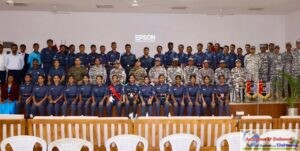
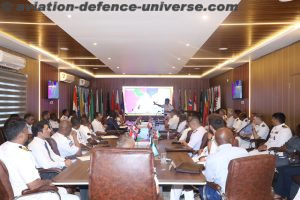 MISW 2023 not only fostered knowledge exchange but also strengthened international bonds, reaffirming the commitment of nations to work together towards a safer and more secure maritime environment. The theme of MISW 2023, “Advancing Maritime Security for a Sustainable Future,” echoed at Gurugram for the last three days. The workshop served as an invaluable platform for participants to delve deep into the intricacies of maritime security and the robust information-sharing mechanisms required for success in the endeavour. The workshop not only nurtured knowledge but also forged a functional understanding of contemporary challenges among all those involved.
In the spirit of India’s vision of “Security And Growth for All in the Region (SAGAR),” the country’s tireless efforts were brought to the forefront during MISW 23. IFC-IOR’s mission aligns seamlessly with the tenets of SAGAR, underscoring the need for security, stability, and prosperity in the Indian Ocean Region. Through active collaborations with 42 maritime security constructs and 25 partner countries, IFC-IOR has been instrumental in advancing this vision. This commitment extends beyond borders and underscores the shared responsibility of all nations to safeguard the vital maritime arteries that connect us. MISW 23 has been more than just a workshop; it has been a collective endeavour to chart the course toward a more secure and prosperous maritime future. The bonds formed and knowledge exchanged here will continue to ripple across the seas, shaping maritime safety and security for years to com



































































-A4-Size-(2)_page-0001.jpg)