























- ₹1.30 Lakh Crore in AoNs: DRDO Records Its Biggest Year Ever
- Record Approvals, Contracts, and Technology Transfers
By Sangeeta Saxena
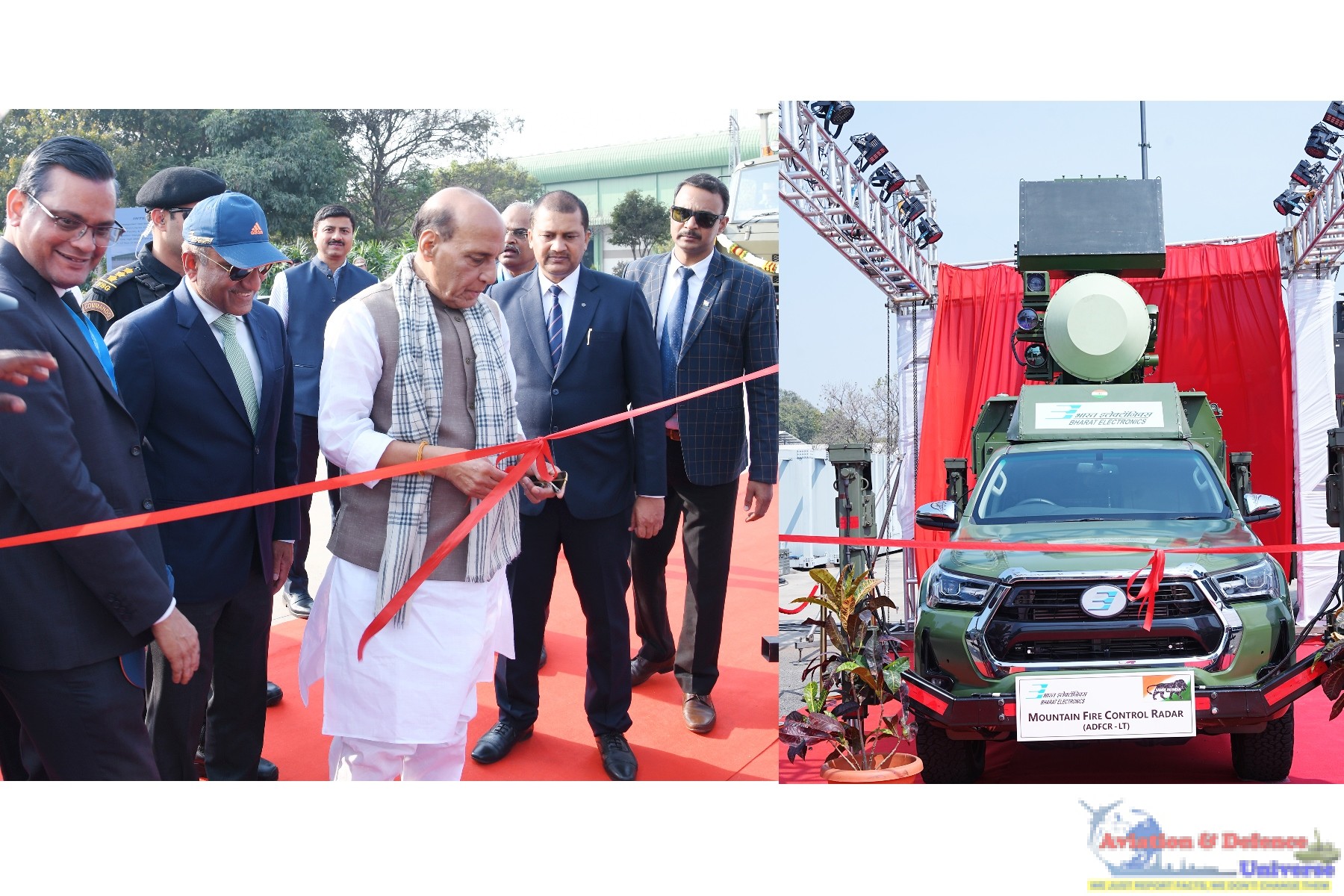
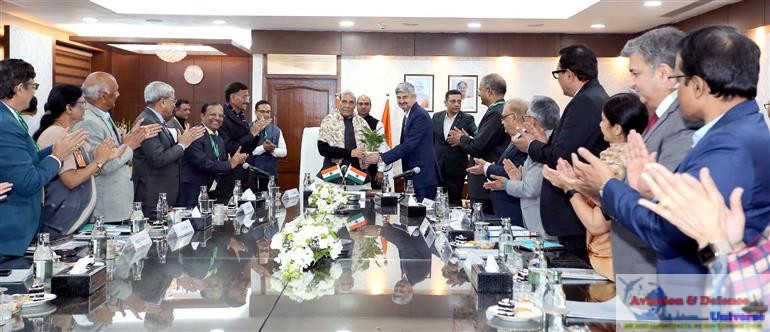
New Delhi. 01 January 2026. The Defence Research and Development Organisation (DRDO) marked its 68th Foundation Day on January 1, 2026, reflecting on a transformative year that significantly strengthened India’s defence preparedness and self-reliance. With record approvals, contracts, technology transfers, and inductions achieved in 2025, DRDO reaffirmed its central role in advancing the national vision of Aatmanirbhar Bharat. The celebrations at DRDO Headquarters, attended by Defence Minister Rajnath Singh and MoS(Defence) Sanjay Seth, reaffirmed the organisation’s growing contribution to India’s strategic autonomy, industrial growth, and future-ready military capabilities.
The Defence Research and Development Organisation (DRDO) was established in 1958 with a clear mandate to empower India with indigenous defence technologies and reduce dependence on foreign suppliers. Formed by integrating the Technical Development Establishment of the Indian Army with the Defence Science Organisation and select technical directorates, DRDO began its journey with modest infrastructure but an ambitious vision. In its early decades, the organisation focused on building foundational capabilities in aeronautics, armaments, electronics, materials, and life sciences. These formative years laid the scientific and institutional groundwork for India’s defence research ecosystem, even as the country navigated post-independence constraints, limited resources, and pressing security challenges.
 Speaking at the event Dr. Samir Kamat Chairman of DRDO explained of the organization’s successes in 2025, saying that many of the systems they created were delivered, inducted, or given over to customers. He said that DRDO should collaborate with all the people and groups involved in defense to face the country’s future challenges and make the Prime Minister’s vision of Aatmanirbhar Bharat a reality. He was happy that the Defence Acquisition Council (DAC) and the Services Procurement Board (SPB) had given the green light to 22 Acceptance of Necessity (AoN) for the production of several DRDO-developed systems worth about Rs 1.30 lakh crores by Indian Industries. This is the most money ever spent in a single year.
He informed that AoN has been given to a number of important systems, such as the Integrated Air Defence Weapon System (IADWS), the Conventional Ballistic Missile System, the Quick Reaction Surface to Air Missile System “Anant Shastra,” the Long Range Air to Surface Supersonic Cruise Missile (LRASSCM), the Integrated Drone Detection and Interdiction System (IDDIS) MK II, and the Beyond Visual Range Air-to-Air Missile (BVRAAM) Astra. Mk-II, Anti-Tank NAG Missile System (Tracked) Mk-2, Advanced Light Weight Torpedo, Processor-based Moored Mine – Next Generation (PBMM NG), Air-borne Early Warning & Control (AEW&C) Mk-1A, Mountain Radars, Full Mission Simulator for Light Combat Aircraft (LCA) Mk-1A.
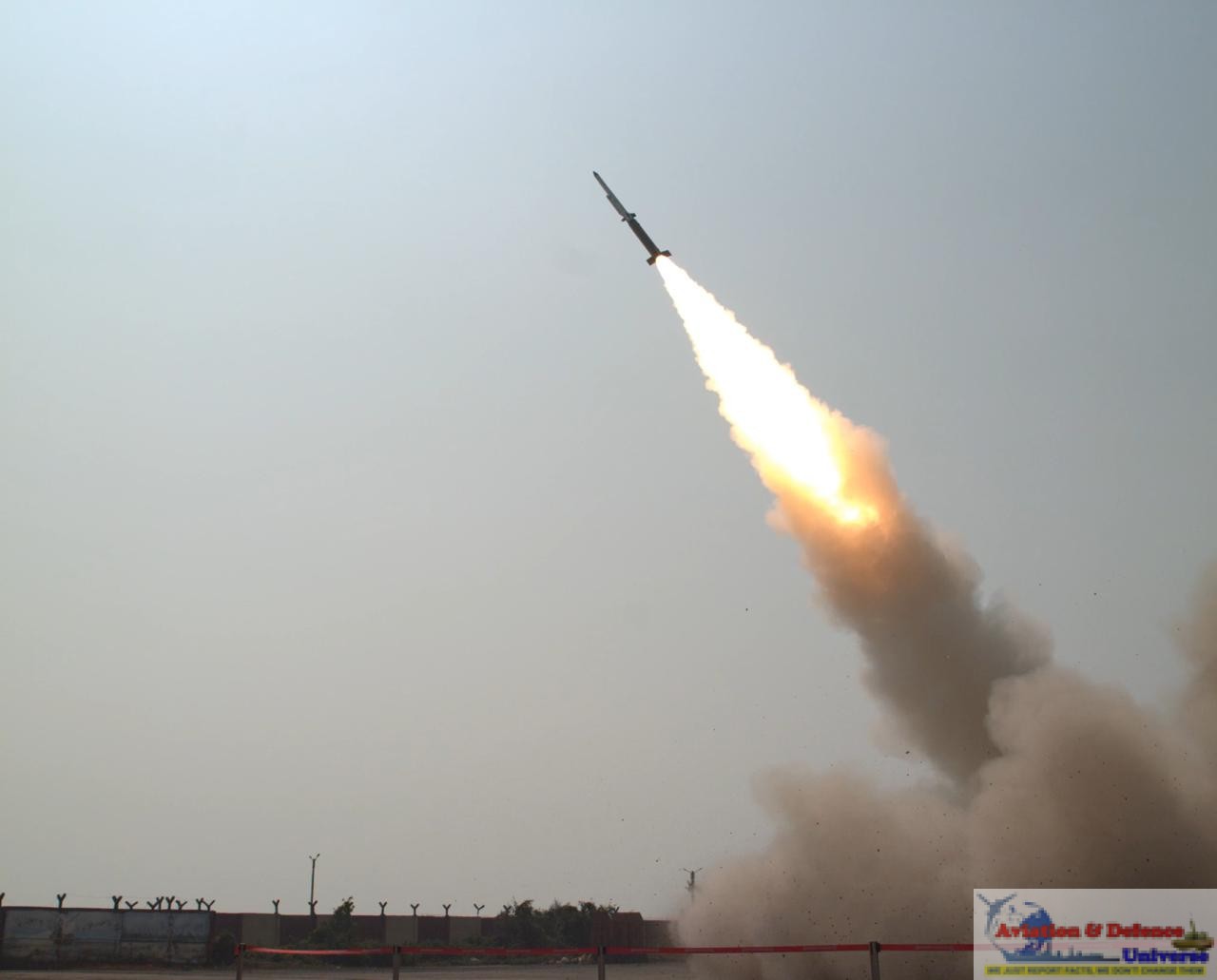
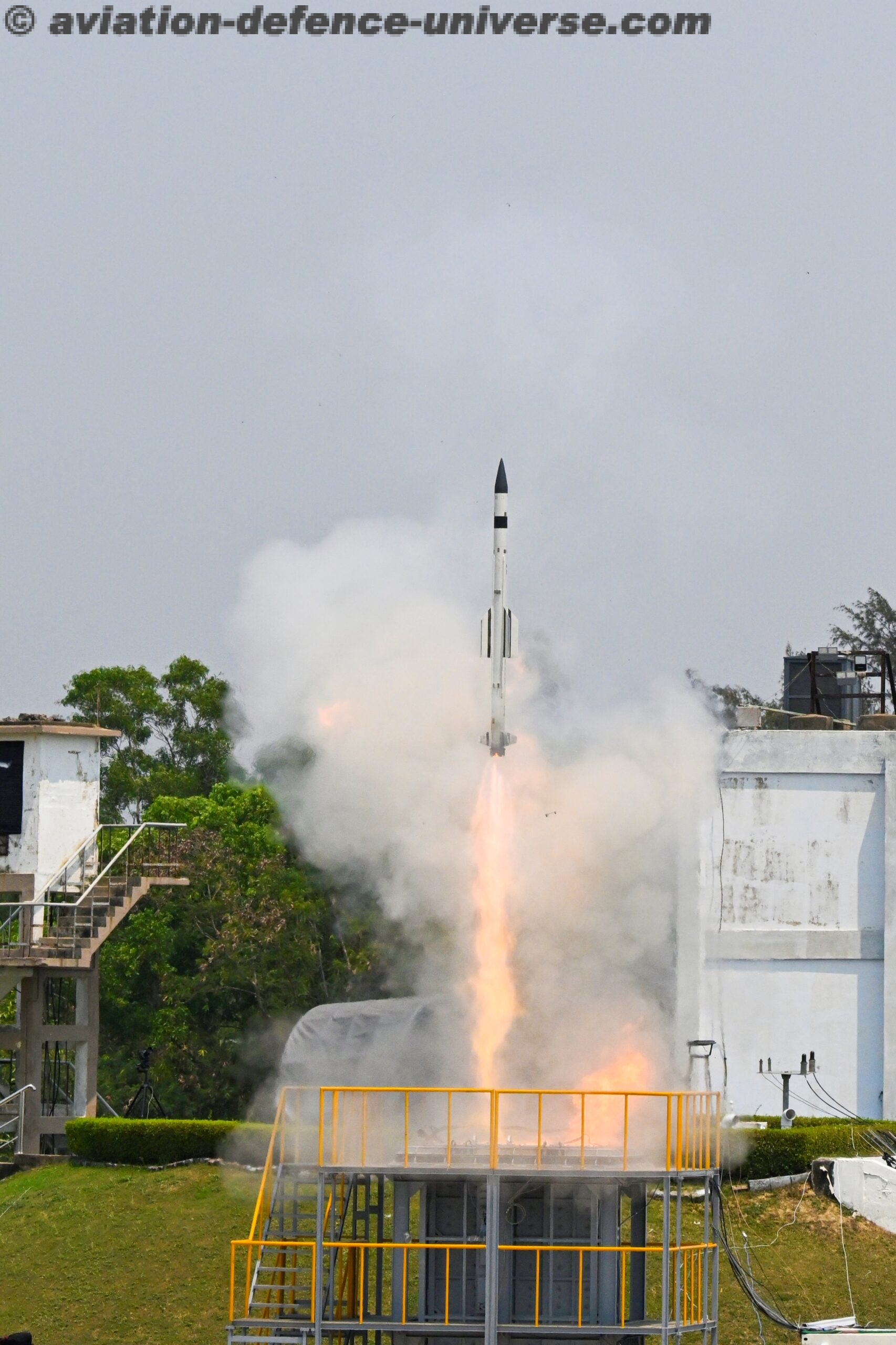
 The DRDO Chairman further said that the User Evaluation Trials for a number of systems are either finished or about finished in 2025. These include the Surface to Surface Missile “Pralay,” the Surface to Air Missile “Akash NG,” the Guided Extended Range Rocket “Pinaka,” the Advanced Light Weight Torpedo, the Integrated Combat Suits for Submarines, the Extended Range Anti-Submarine Rocket (ER-ASR), the Man Portable Anti-Tank Guided Missile (MPATGM), the Electronic Warfare Systems for Plains and Deserts, the Border Surveillance System (BOSS), the Software Defined Radio for the Indian Army, and the CBRN Water Purification System. He also said that a number of other systems have either finished or are in the process of Development trials. These systems include the Indian Light Tank, Very Short-Range Air Defence System (VSHORADS), Vertical Launch Short Range Surface to Air Missile, Short Range Naval Anti-Ship Missile (NASM-SR), Long Range Land Attack Cruise Missile, Air-to-Surface Missile Rudram-2, UAV Launched Precision Guided Missile (ULPGM)-V3, Cannon Launched Anti-Tank Guided Missile for MBT Arjun, Long Range Glide Bomb “Gaurav,” Long Range Radar, VHF Surveillance Radar, High Power Microwave System, Medium Range Microwave Obscurant Chaff Rockets, On Board Oxygen Generating System (OBOGS)-centric Integrated Life Support System (ILSS) on LCA, and Automatic Fire Protection System in DORNIER-228 Aircraft.
Dr. Kamat was positive that the labs would work hard to make sure that most of the systems that are currently being tested by users and are in the final phases of development will be accepted by users in 2026 so that they may be put into use. He also said that DRDO has been working with businesses to make its systems, sub-systems, and components. So far, 2,201 Licensing Agreements for Transfer of Technologies (LAToT) have been given to Indian Industries, with 245 LAToTs signed in 2025. Last year, 13 new DcPP/PAs were chosen to work on Mission Mode projects. There have been 145 DcPP awards so far.
 In 2025, DRDO also let industries use its test facilities, and more than 4,000 tests were done for private companies and DPSUs. He further added that 15 DRDO Industry Academia Centers of Excellence are doing a great job of leading translational research activities in certain key areas. There were 66 projects approved in 2025, with a total cost of Rs 228 crore and 214 researchers working on them. This brings the overall number of approved projects to 341, with a total expenditure of Rs 1,218 crore and 1,255 researchers and 65 academic institutions involved. He ended his address by talking on the changes that were made in 2025.
Over time, DRDO evolved from a technology support organisation into the backbone of India’s strategic and conventional defence capability. From the Integrated Guided Missile Development Programme in the 1980s—which produced landmark systems such as Agni, Prithvi, Akash and Nag—to advanced platforms like the Light Combat Aircraft Tejas, ballistic missile defence systems, radars, electronic warfare suites, and underwater weapons, DRDO steadily expanded its technological depth and operational relevance. In recent years, the organisation has aligned closely with national initiatives such as Make in India and Aatmanirbhar Bharat, accelerating collaboration with industry, academia, and start-ups. Today, DRDO stands as a central pillar of India’s defence modernisation, combining decades of scientific expertise with a renewed focus on speed, scalability, and deployment-ready solutions for the Armed Forces.
 As DRDO enters its 69th year, the organisation stands at a defining moment in India’s defence modernisation journey. The unprecedented Acceptance of Necessity worth approximately ₹1.30 lakh crore, large-scale production contracts, extensive industry partnerships, and a robust pipeline of next-generation systems signal a decisive shift from development to deployment. With a strong focus on emerging domains such as artificial intelligence, cyber security, space technologies, and advanced weapons systems, DRDO is not only equipping India’s armed forces but also catalysing a vibrant defence industrial ecosystem. The year 2025 will be remembered as a milestone where indigenous innovation translated into operational capability, reinforcing India’s resolve to design, develop, and manufacture for its own security needs.