



















- Himalayas a Zone of Interaction, Not Exclusion
- CDS Calls for Terrain-Conscious Strategic Thought at Dehradun Think Tank Launch
By Team ADU
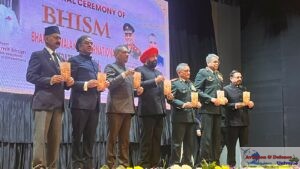
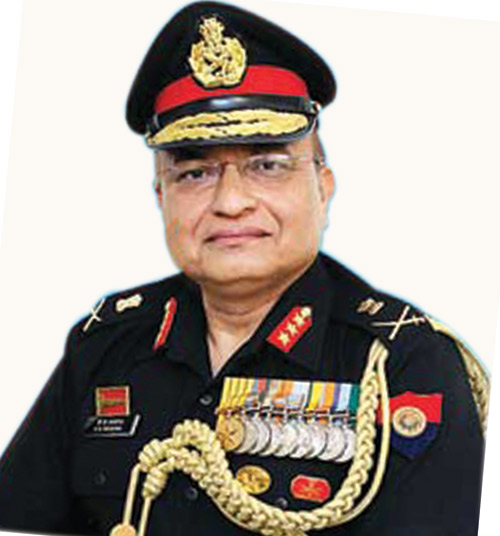
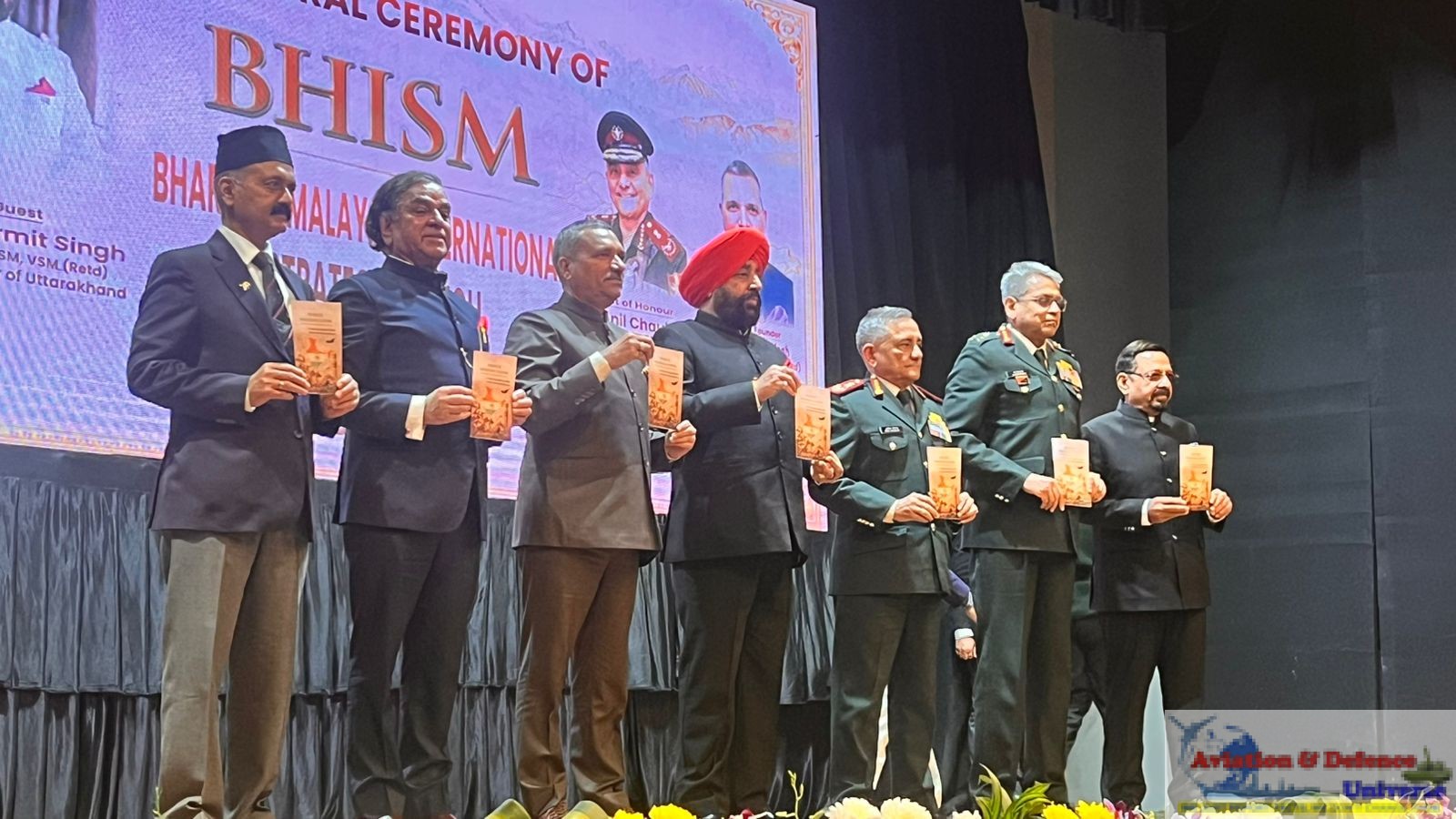
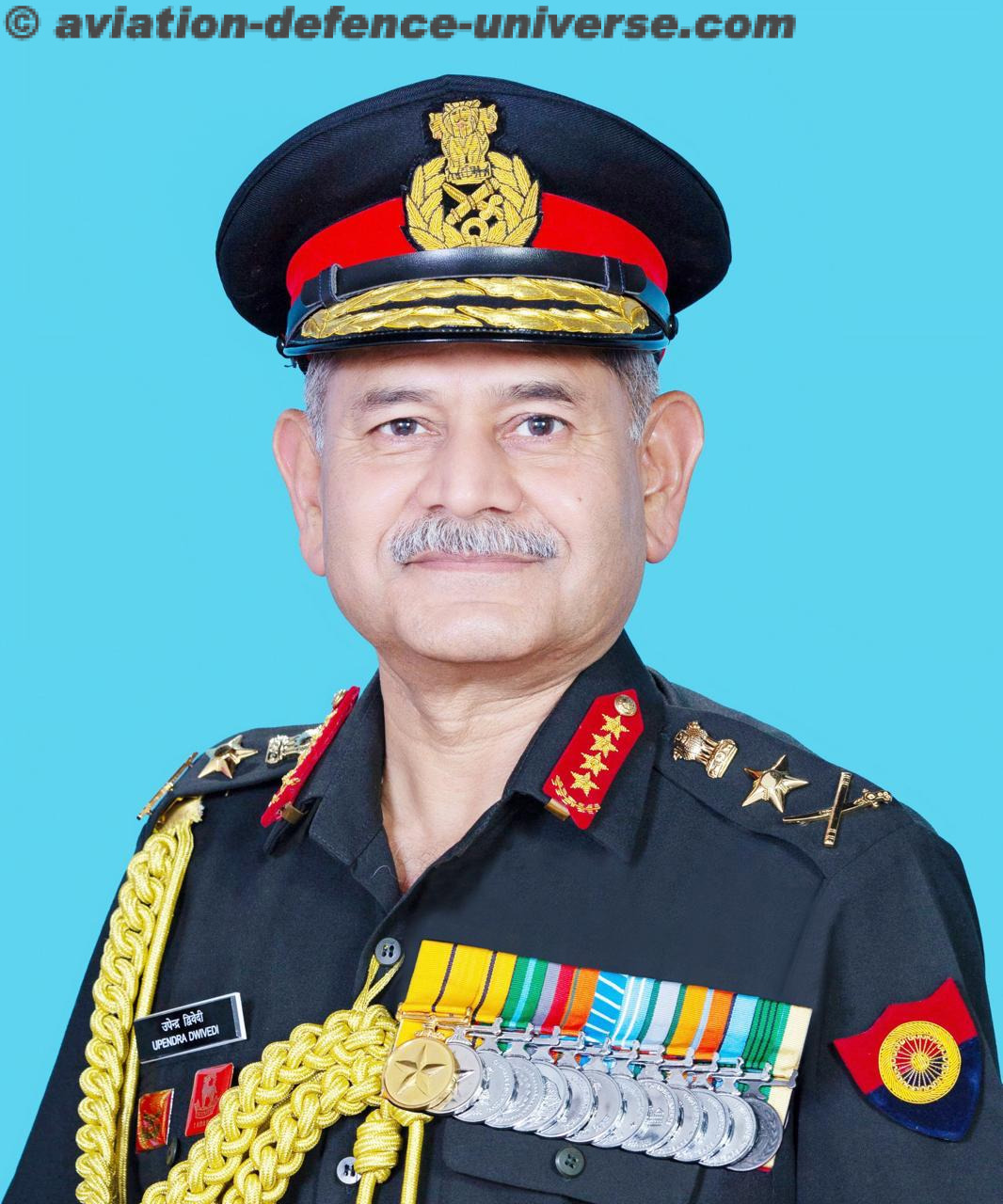
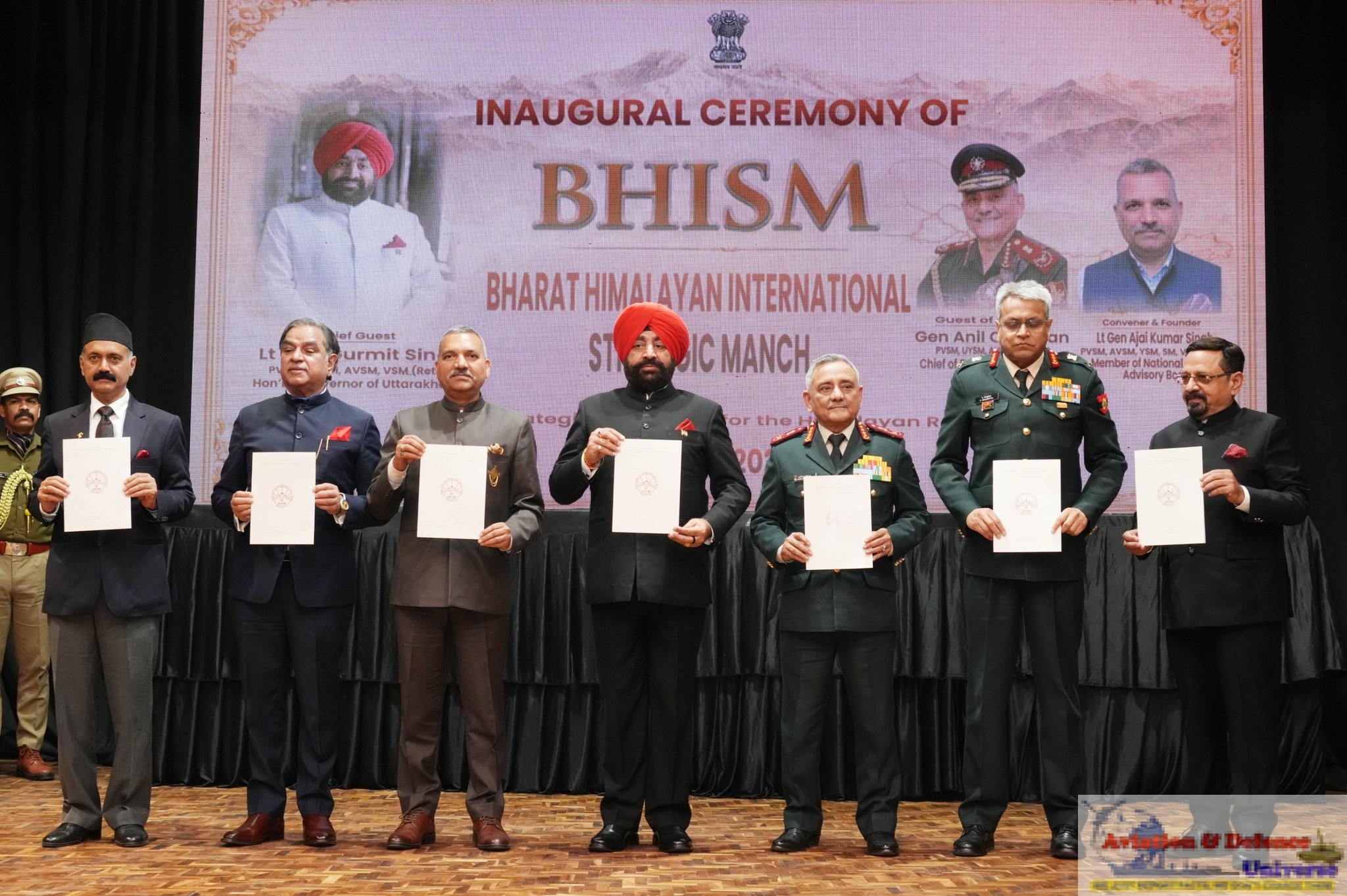
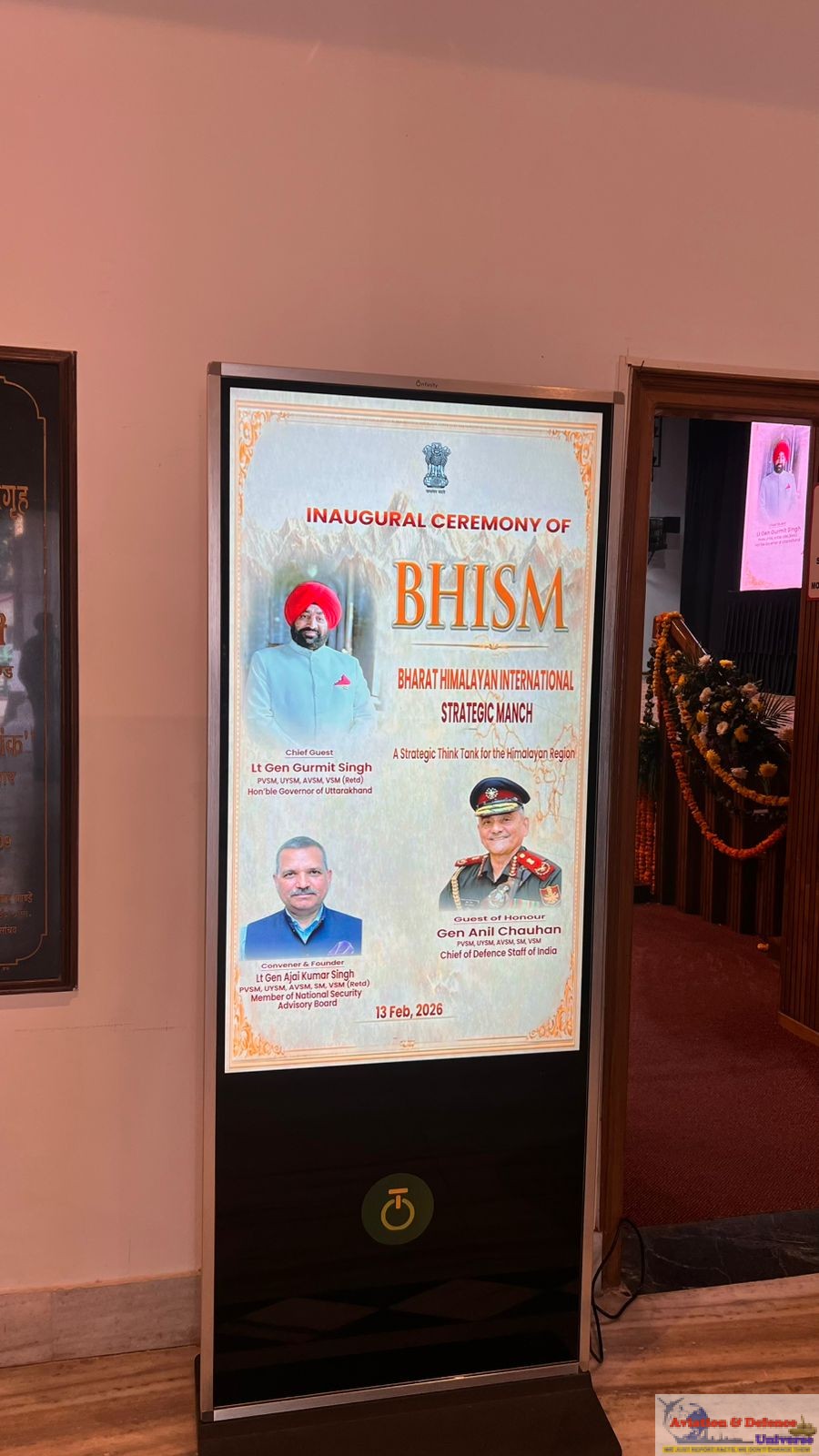
New Delhi/Dehradun. 13 February 2026. The inauguration of the Bharat Himalayan Strategy Forum (BHISHMA) in Dehradun marked a significant moment in India’s evolving strategic discourse on the Himalayas. The Bharat Himalayan Strategy Forum, inaugurated at Lok Bhavan in Dehradun by Uttarakhand Governor Lt Gen Gurmeet Singh (Retd.), aims to serve as a platform for strategic thought centred on the Himalayan region. Chief of Defence Staff (CDS) Gen Anil Chauhan delivered the Keynote Address. Lt. Gen AK Singh (Retd.) gave the introductory address and Lt. Gen Anindiya Sengupta General Officer Commanding-in-Chief Central Command gave the inaugural address.
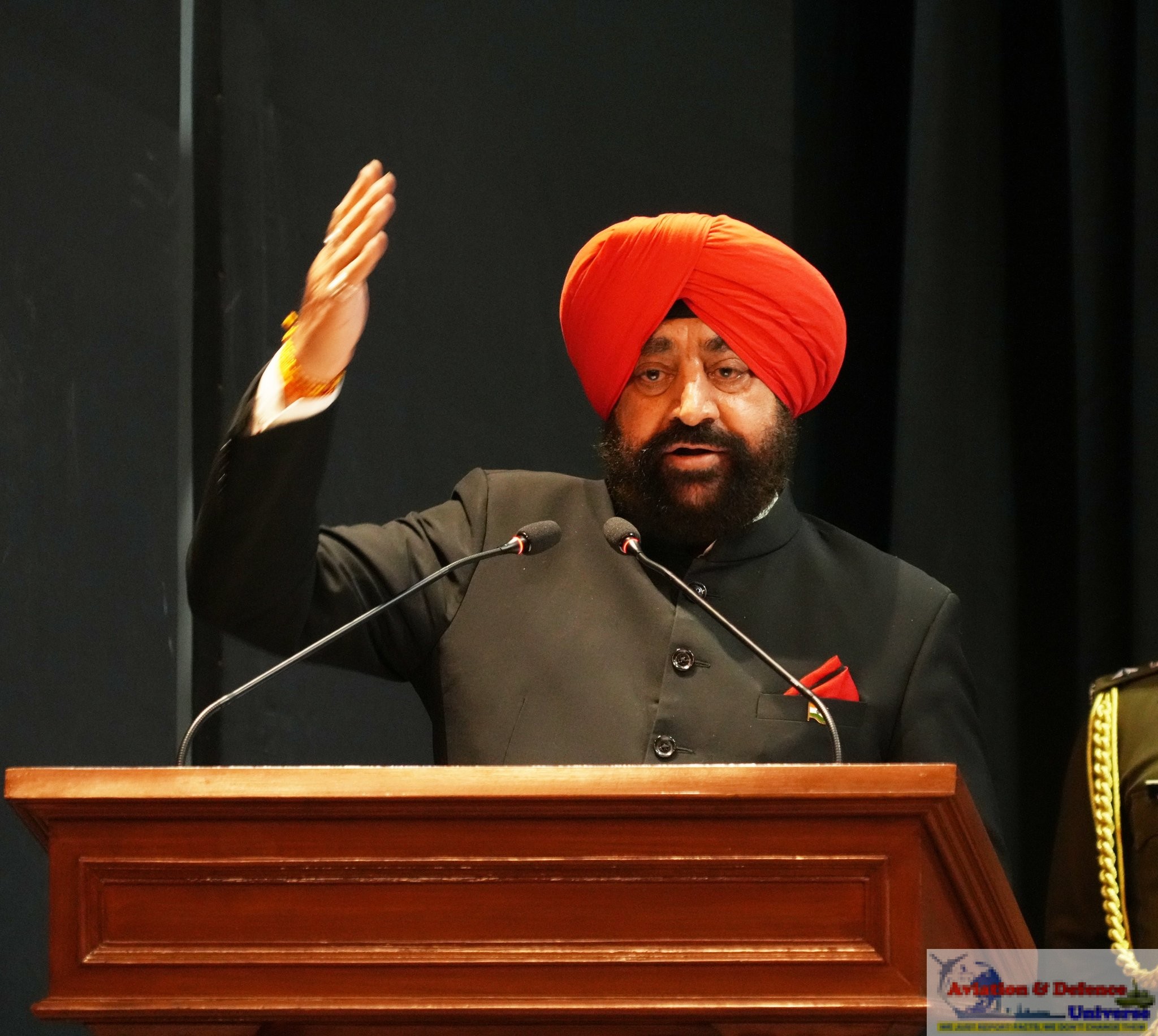 Governor Lt. General Gurmeet Singh (Retd,) tweeted, “Launched the vision of BHISM at Lok Bhavan today. Strategic thought must rise from the realities it seeks to address. Situated in the Himalayan heartland, BHISM will ground national security discourse in terrain awareness, long-term scenario planning, and research-driven insight rooted in India’s frontier experience. BHISM will serve as a platform where military experience, academic scholarship, scientific research and civil administration converge. By encouraging military–civil synergy and interdisciplinary dialogue, it will contribute meaningfully to policy thinking on border management, internal security, disaster resilience, ecological balance and emerging technologies. As India moves decisively towards Viksit Bharat 2047, institutions that provide strategic clarity will be vital. BHISM will bring evidence-based research on geopolitics, economic security, technological transformation and Himalayan sustainability, helping India anticipate challenges and shape its own global narrative.”
Uttarakhand holds immense strategic importance for India owing to its long and sensitive international borders with China (Tibet Autonomous Region) and Nepal, as well as its location in the central sector of the Himalayas. The state forms a critical part of India’s northern defence architecture, acting as both a geographical shield and a forward operational zone for the Indian Armed Forces. High-altitude passes such as Lipulekh, Mana, and Niti have historically been routes of trade, pilgrimage, and strategic movement, and today they assume renewed relevance in border management and military logistics. The presence of key river systems like the Ganga and Yamuna, which originate in Uttarakhand, adds a vital water-security dimension to its strategic profile. In addition, the state’s terrain supports advanced surveillance, air mobility, and rapid troop deployment capabilities, making it central to India’s preparedness along the Line of Actual Control. Beyond military considerations, Uttarakhand’s civilisational legacy, ecological sensitivity, and disaster-prone geography also demand integrated strategic planning that combines security, sustainability, and regional stability.
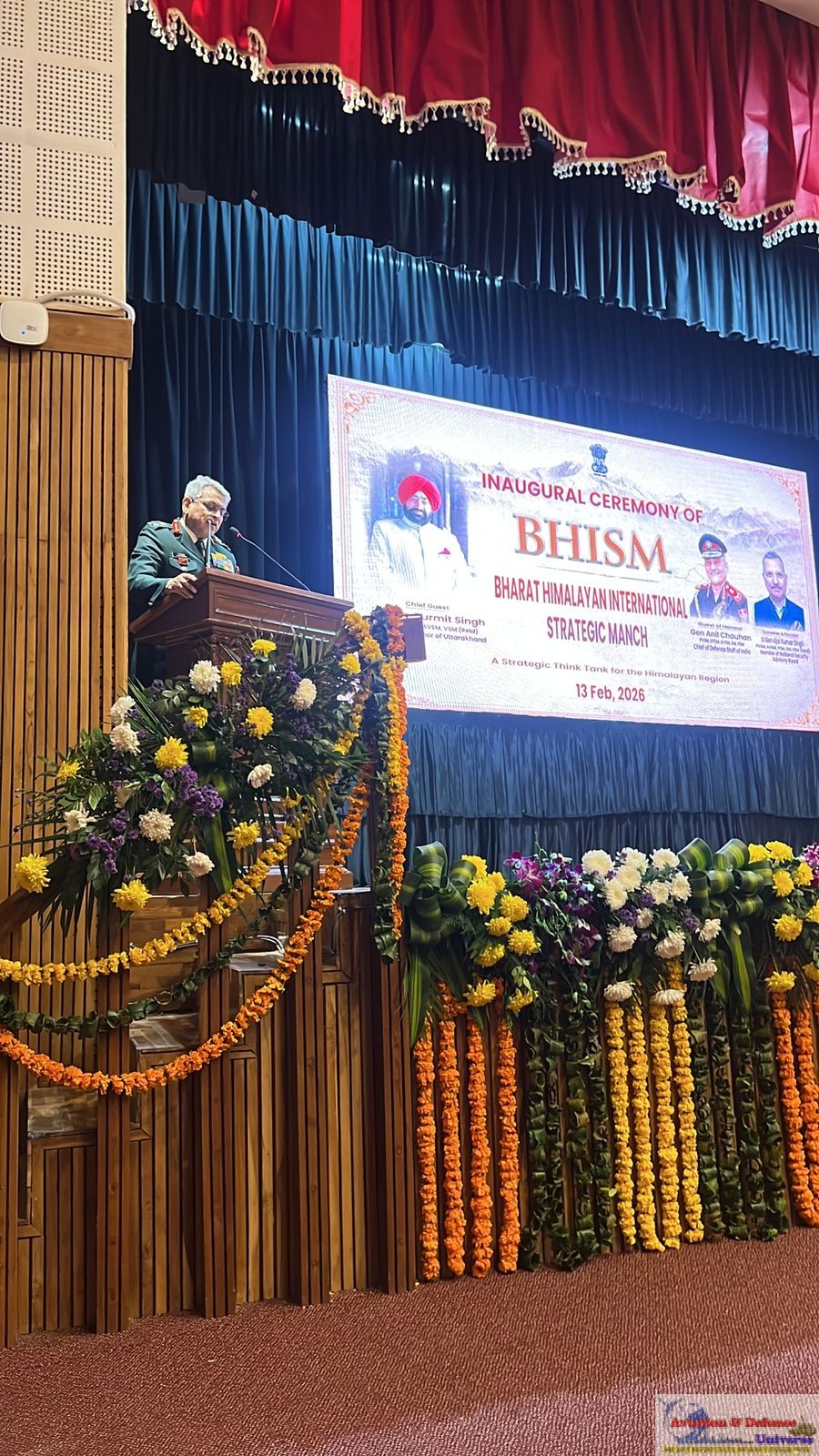 Addressing the gathering, Chief of Defence Staff (CDS) General Anil Chauhan delivered a wide-ranging inaugural address that traced the evolution of borders from ancient frontiers to modern nation-state constructs, linked mythology with geography, and underscored the civilisational and strategic importance of the Himalayan region. The forum, conceived as a terrain-conscious and long-horizon strategic think tank, aims to integrate civilisational understanding with contemporary security imperatives.
CDS General Chauhan began by explaining how modern nation-states evolved from “erstwhile feudal orders, kingdoms, monarchies and empires,” where territories were separated not by thin, defined lines but by vast, un-demarcated areas. “Ancient or medieval kingdoms had a general idea as to where their frontiers lay,” he said, adding that these frontiers were often based on natural geographical features such as deserts or seas, which were difficult to negotiate. “These frontiers were always porous and prone to interpretation.” He clarified the distinction between a frontier and a border. “A border is identified by a line on a map as well as on the ground, whereas a frontier is an area or zone which is diffused and generic in nature.” He added, “A border is a concept that separates two nation-states, whereas a frontier is a meeting point of two civilisations.”
Borders, he said, are legal constructs requiring “documentation, negotiation and recognition,” while frontiers often evolve through “customs, traditions and usage.” Explaining how borders are formalised, General Chauhan outlined the processes of delimitation, delineation and demarcation. “Delimitation is the process when you negotiate a border and identify it in descriptive terms. Delineation is its graphical representation on a map. Demarcation is the physical process of marking it on the ground.”
 Moving from geopolitical theory to geography and mythology, the CDS highlighted the deep civilisational connections between India and Tibet. “The connect between the people of India and Tibet goes back almost to mythological times,” he said, referring to Mount Meru in Hindu and Jain cosmology and Mount Kailash as its physical manifestation.
He noted that the Pandavas’ journey toward heaven in the Mahabharata traces routes through Mana village, Bhimpul, Parvati Kund and Adi Kailash toward Mount Kailash. “For any mythological tale to endure, it must be rooted in geographical fact,” he said, drawing parallels with the visible existence of Ram Setu.
Historically, he observed, there was more interaction between the Gangetic Valley and Western Tibet than with Central Tibet. Pilgrims crossed passes such as Shipki La, Niti, Mana, Tunjun La and Lipulekh to reach Mansarovar and Kailash. Traders followed these routes, often functioning as emissaries negotiating trade on behalf of local rulers. “The very fact that emissaries were sent for trade indicates there was a frontier, if not a border, between these regions,” he remarked.
He linked this to the relevance of the newly launched think tank. “A think tank in Dehradun is uniquely positioned to develop strategic thought that is terrain conscious, system-oriented and long-horizon in its character.” He suggested that issues ranging from climate change and water security to border management, military transformation, disaster resilience and civilisational continuity require integrated Himalayan thinking. General Chauhan concluded with a Sanskrit verse invoking the sacred flow of the Ganga, “As the Ganga flows down from its sacred source, may the light of learning also spread from here — Uttarakhand — downstream to the rest of the country.”
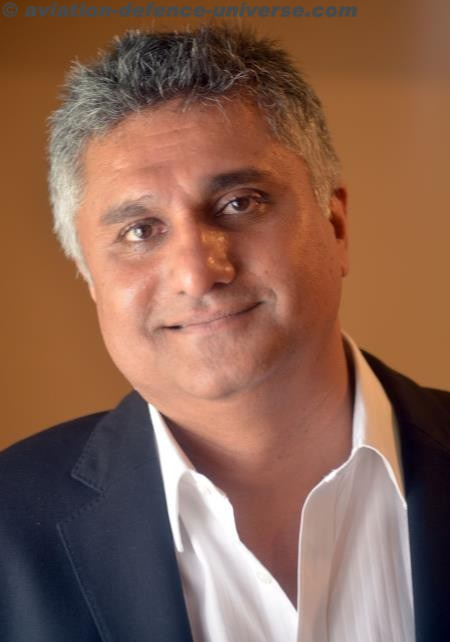
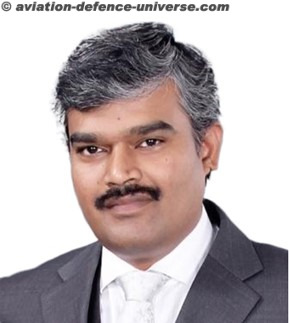
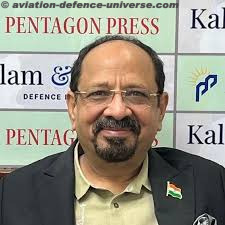 Rajan Arya, Founder, Managing Director and CEO of Pentagon Press LLP, has been bringing out books for the past 27 years on defence and national security and the organiser of the defence literature festival titled Kalam and Kavach. He serves as a trustee of the think tank Bhishma, which operates under the leadership of Lt. General A. K. Singh (Retd.).
The inauguration of BHISHMA in Dehradun represents more than the launch of a think tank; it signals an effort to anchor India’s strategic thinking in its geography and civilisational consciousness. By situating the discourse in the Himalayas — a region that has historically functioned as both frontier and bridge — the initiative seeks to integrate myth, history, geography and modern security challenges into a coherent national framework.