







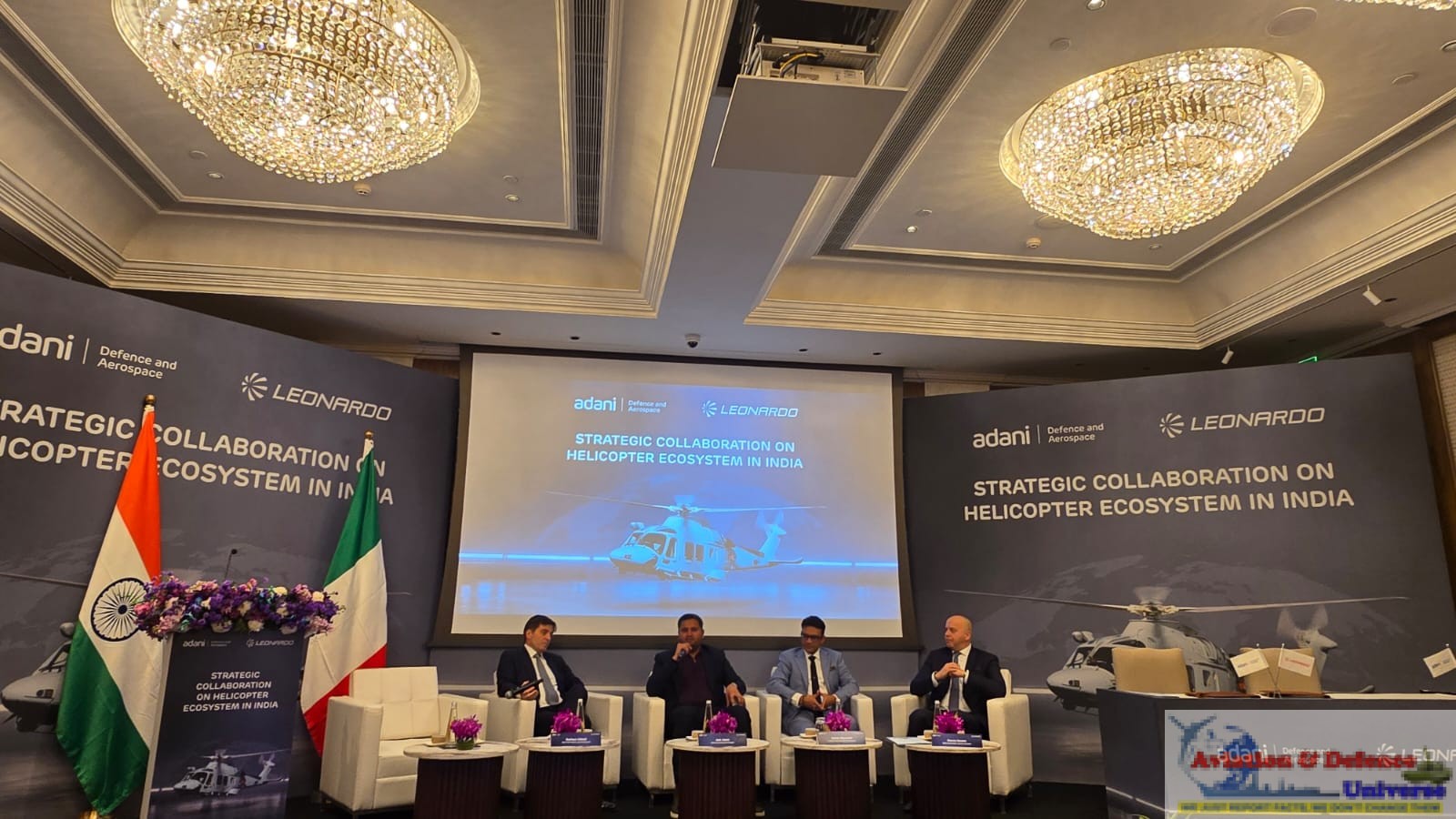
- Helicopters Made, Maintained in India: Adani–Leonardo Strategic Partnership Unveiled
By Sangeeta Saxena
New Delhi. 04 February 2026. A landmark step towards building a comprehensive helicopter manufacturing ecosystem in India was taken as Adani Defence & Aerospace and Leonardo signed a strategic Memorandum of Understanding aimed at developing end-to-end capabilities in rotary-wing aviation for both military and civil applications. The partnership signals a long-term commitment to indigenisation, technology transfer, ecosystem creation, and positioning India as a future global hub for helicopter production, maintenance, training, and exports.
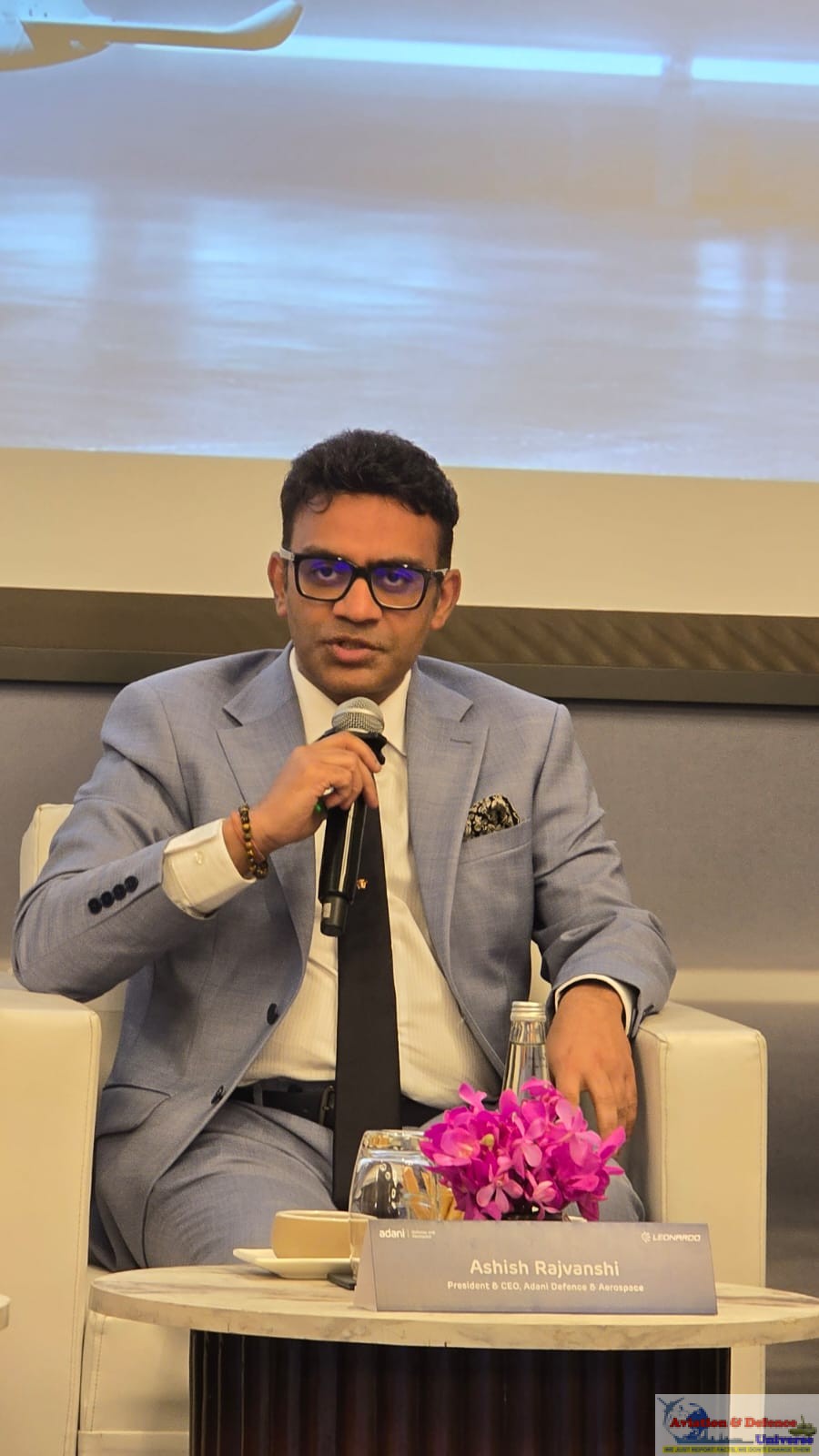 Addressing the media after the MoU signing, Ashish Rajvanshi, President and CEO of Adani Defence and Aerospace, explained that detailed investment figures, site selection, assembly lines, and annual capacities would be part of the joint business plan currently being finalised by the two companies. He underlined the scale of the opportunity, noting that the global helicopter market across civil, commercial and military segments stands at nearly $100 billion, while India’s current share is under 2%, projected to rise to $3 billion in the coming decade.
Rajvanshi pointed to the urgent operational requirement within India, highlighting the ageing fleet of over 300 Cheetah and Chetak helicopters and the Army and Navy’s recent Requests for Information for Light Utility Helicopters (LUH), Reconnaissance and Surveillance Helicopters (RSH) and Naval Utility Helicopters (NUH). “The country’s requirement runs into numbers beyond a thousand helicopters. If you want to maintain an effective fleet, India will require almost 100 helicopters per year. This can grow further with increased civil penetration,” he said.
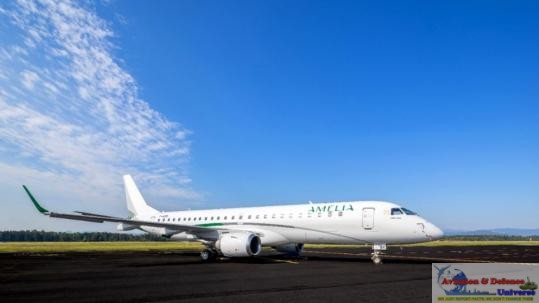
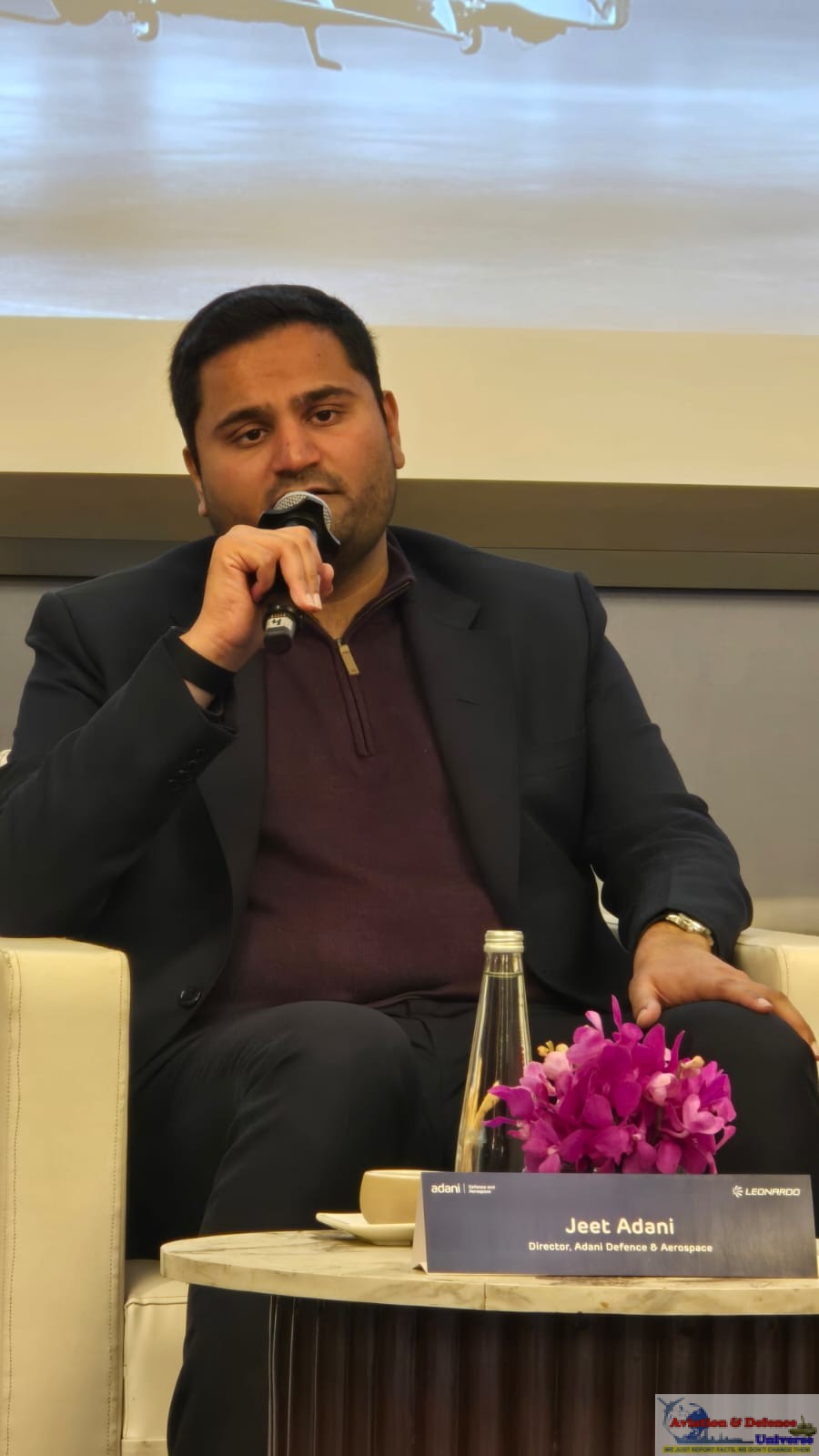
On whether the ecosystem would be contingent upon defence orders, Jeet Adani, Director, Adani Defence and Aerospace, clarified that the group’s philosophy is capability creation rather than order-specific execution. “We are not trying to serve one or two orders. The vision is to create a long-term helicopter capability in India that can serve markets beyond India as well,” he said, referring to the company’s recent aerospace partnerships, including the one announced with Embraer for commercial aircraft manufacturing.
 Questions on MRO capabilities were addressed with reference to Adani’s broader aerospace strategy and evolving partnerships. Rajvanshi noted that Adani continues to look at opportunities across key pillars of aerospace manufacturing, MRO, training and ecosystem creation. With the acquisition of Air Works, Adani Defence and Aerospace has effectively brought one of India’s most established aviation Maintenance, Repair and Overhaul capabilities under its own umbrella, making MRO a fully in-house strength within its aerospace strategy. This move significantly strengthens Adani’s position in building a complete aviation ecosystem rather than limiting itself to manufacturing alone. Air Works’ decades of experience across fixed-wing, rotary-wing, civil and defence platforms, combined with Adani’s manufacturing ambitions, creates a seamless value chain—from production to lifecycle support, fleet maintenance, training and aftermarket services—critical for both military and civil helicopter operations envisioned under partnerships such as the one with Leonardo.
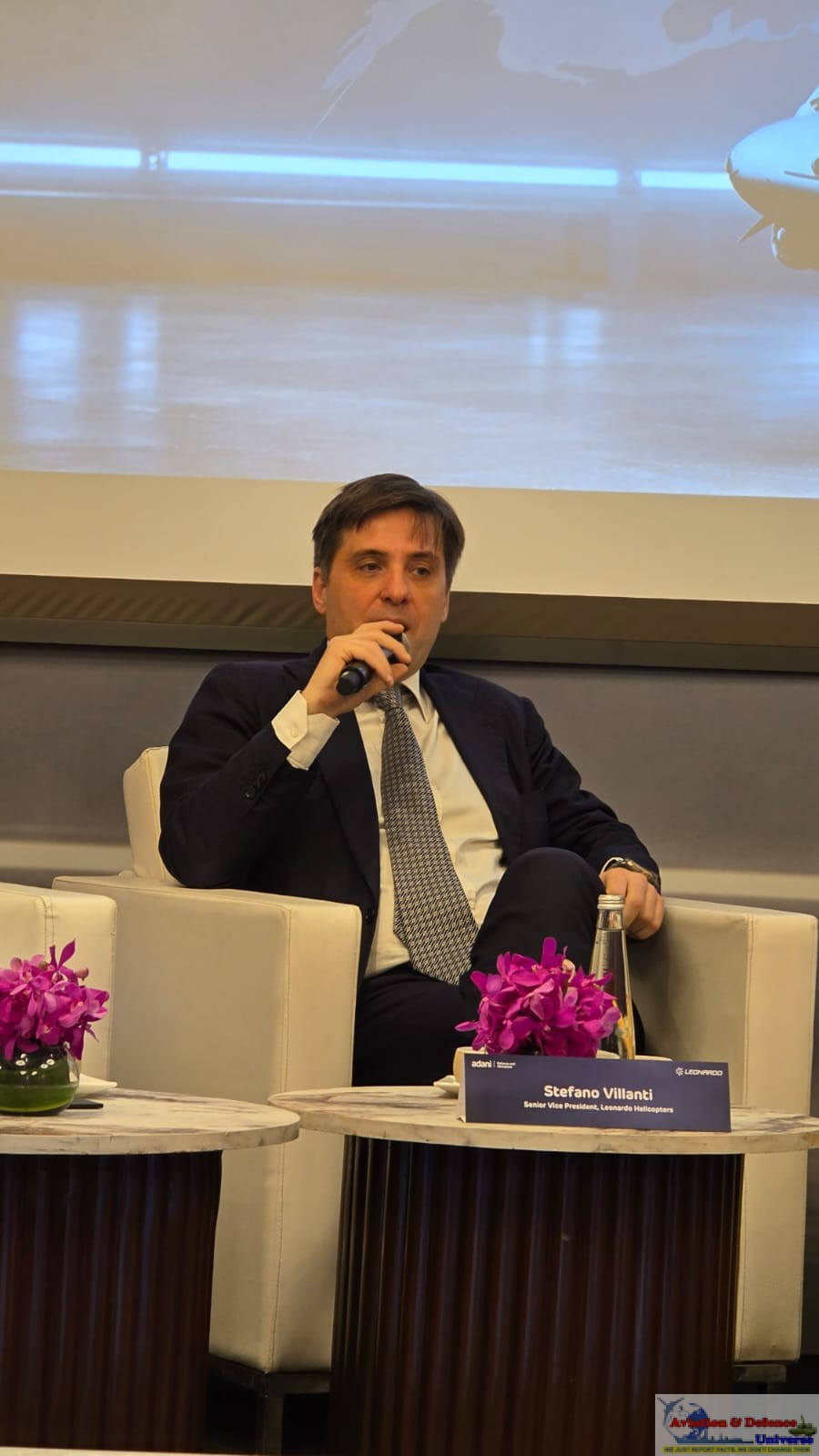
Responding to technical queries, senior executives from Leonardo emphasized that the assembly planned in India would replicate Leonardo’s headquarters’ final assembly standards. “Partnership is embedded in Leonardo’s DNA. What we mean by assembly is exactly the same final assembly that we do at our headquarters. It requires a learning curve and volumes, but we know how to do it,” a Leonardo executive stated.
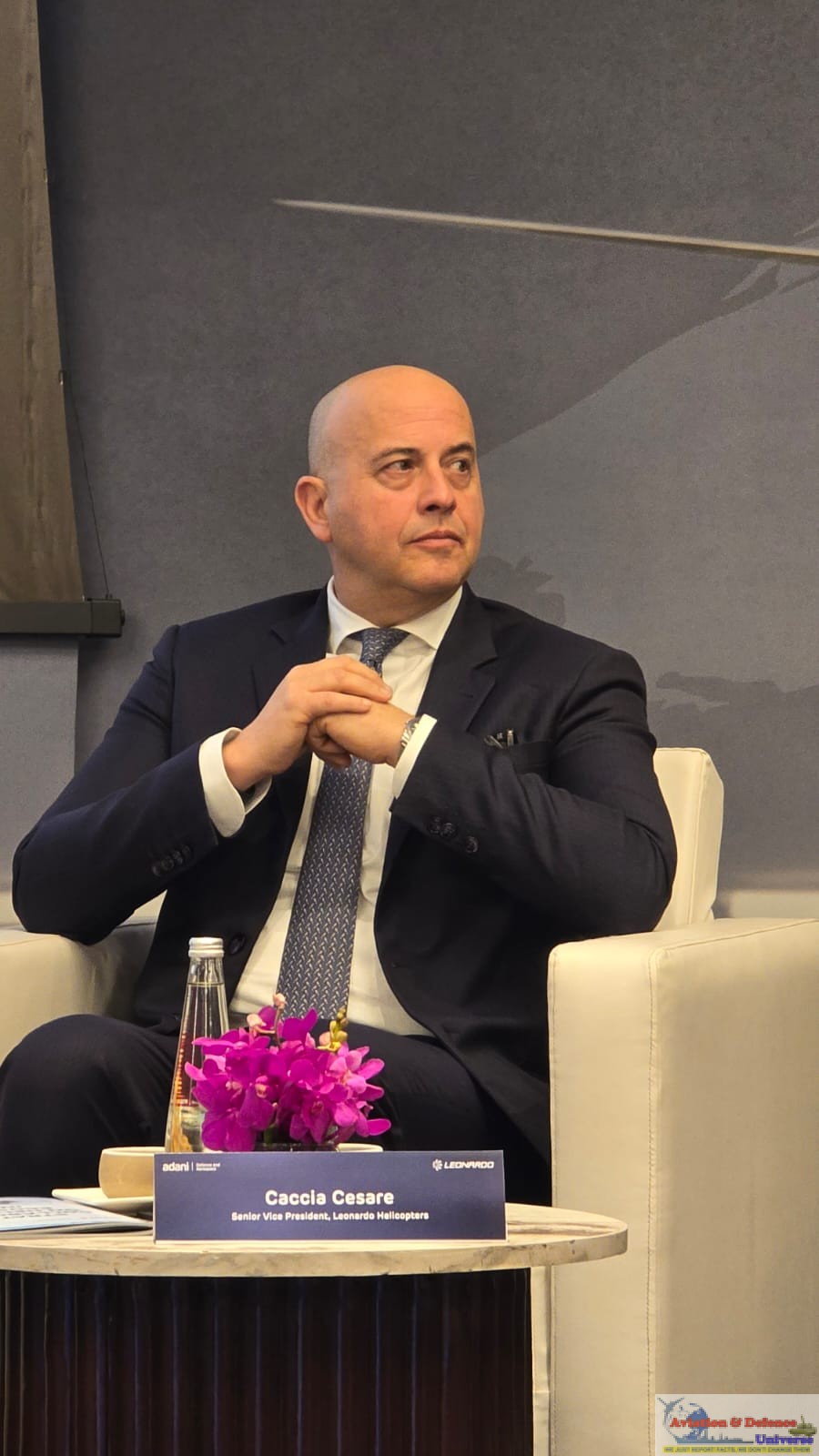 Leonardo outlined that the initial focus would be on the AW169 and AW109 helicopters, which are already among the company’s highest-volume platforms globally and well suited for Indian Navy and light twin helicopter requirements. “We bring to a market what the market requires. These platforms fit the immediate operational needs,” the executive added.
On timelines, Rajvanshi said that while military acquisition processes would take their course over the next two to three years, the companies do not intend to wait. “We start work tomorrow. We are confident that this will happen before 2030. This is not an announcement that will wait for years,” he asserted.
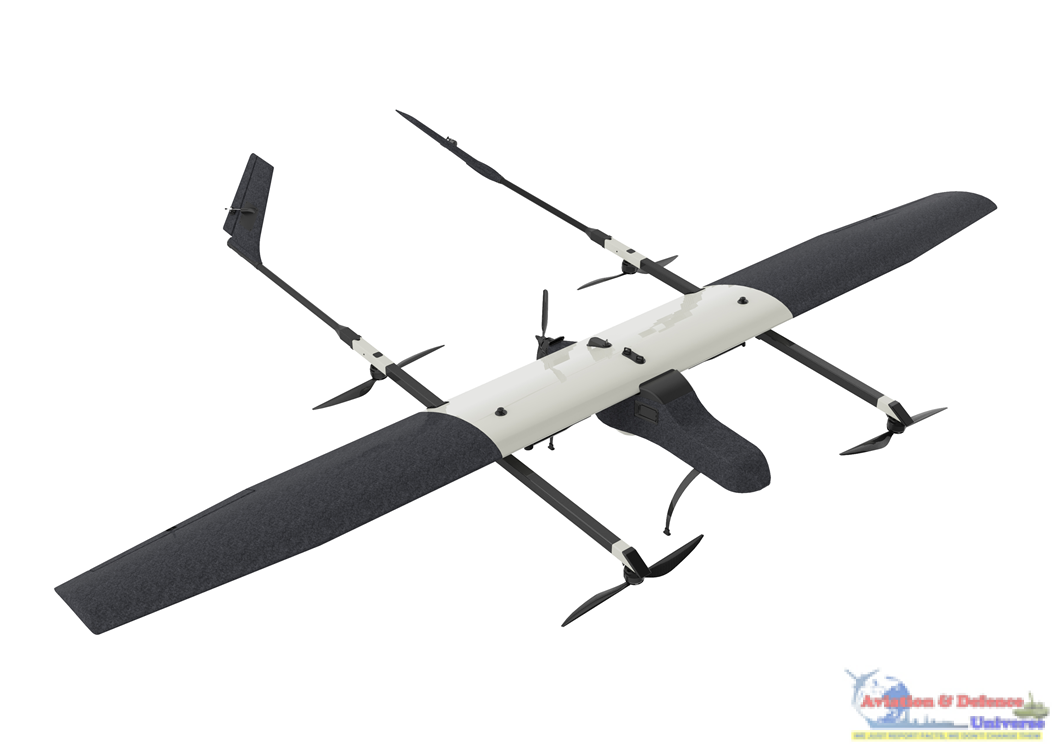
The partnership also aims to strengthen India’s MSME and supply chain ecosystem. Jeet Adani explained that the UAV ecosystem built by the group had already demonstrated how small companies could grow by being part of a larger manufacturing network. “India has tremendous technical capability. We want MSMEs to grow with us as part of this ecosystem,” he said.
 Responding to questions regarding legacy issues around earlier Leonardo helicopters grounded with the Indian Air Force, Leonardo clarified that it remains willing to assist in restoring those platforms to operational status, subject to complexities on both sides.
On indigenisation levels, Rajvanshi emphasized alignment with the evolving Defence Acquisition Procedure (DAP-2025) and procurement categories such as Buy (Indian) and Buy and Make (Indian). “This is the first attempt not just to manufacture helicopters but to create a 100-year ecosystem for India. Give us a couple of years and you will see a full helicopter coming out of India,” he said.
The MoU marks a significant step in India’s pursuit of self-reliance in rotary-wing aviation, with a clear intent to move from platform importation to ecosystem creation encompassing manufacturing, MRO, pilot training, supply chains, and exports.