


 18th BRICS Summit



















 “Flying Colours was identified by CAE as a high quality, good value provider of aircraft support services in Canada,” said Mike Greenley, Vice President and General Manager, CAE Canada. “We are proud to add the business to our pan-Canadian team of partners and sub-contractors who we work with across the country. As a native of Peterborough myself I am particularly pleased to begin a new business relationship with them.”
“Every business seeks new customers, and we are very pleased to be able to start a potentially long-term business relationship with CAE, one of Canada’s most globally respected aerospace companies,” said John Gillespie, President of Flying Colours.
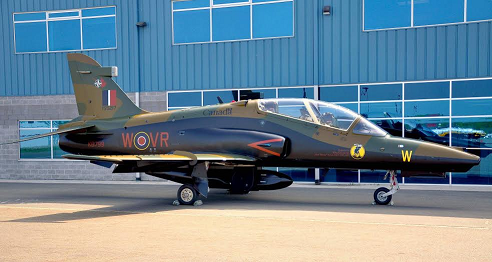 The paint scheme was designed by artist Jim Belliveau, and depicts some of the WWII history of this highly decorated unit. The camouflage paint scheme is a stylized application of the classic WWII Bomber Command topside green and brown, combined with an all-black under surface which masked the aircraft from below against the night sky when most wartime bombing operations took place.
The call letters VR-W, and the dedication of the aircraft on the nose with a yellow ‘W’, are rooted with the Wellington Bomber flown by Wing Commander John “Moose” Fulton, the first Commanding Officer of 419 Squadron. The Moose insignia on the nose and registration KB799 belong to the Lancaster-era of 419 Squadron, and the oldest known “Moose” nose art for the Unit. The roundels on the wings are a stylized combination of old-style RCAF wartime markings with the addition of a Maple Leaf in the center to link the wartime era markings to that of today. The fin flash and side roundels are wartime-era RCAF markings.












































































-A4-Size-(2)_page-0001.jpg)